
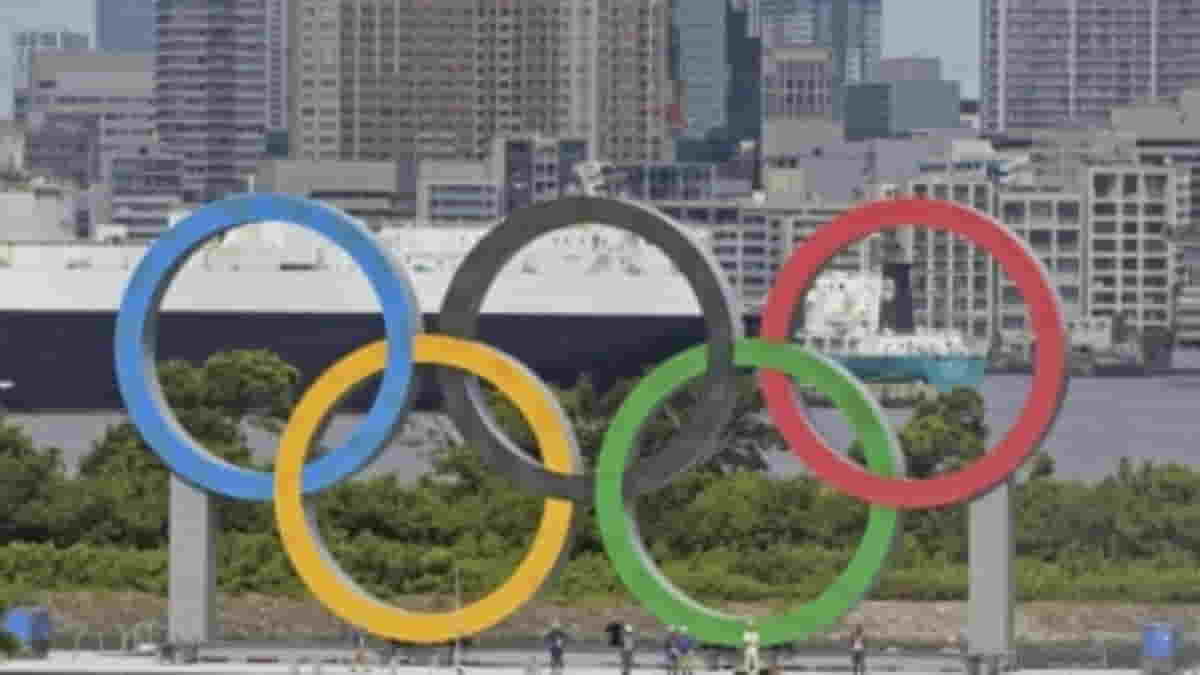
The Olympic Games, where incredible physical exploits and an unbreakable spirit come together, serve as a monument to human achievement. These Games have created memories that have endured for decades, such as Michael Phelps’ eight gold medals in 2008 and Jesse Owens’ defiance in 1936. These stories of victory, tenacity, and sportsmanship speak to audiences worldwide and go beyond simple rivalry. They act as a constant reminder of both the Olympic principles’ capacity to unite people and their limitless potential. We examine a few of these iconic events in this blog, all of which bear witness to the Olympic Games’ lasting legacy.
The Triumph of Jesse Owens in Berlin, 1936
Racist beliefs are false, as demonstrated by Jesse Owens’ victory at the 1936 Berlin Olympics, which dispelled Hitler’s idea of Aryan dominance. As an athlete of African American descent, Owens’ four gold medals served as a powerful statement against discrimination and injustice in addition to showcasing his extraordinary athletic ability. His triumphs were more than just sporting accomplishments; they were a global cry for equality and human decency. Owens’s defiance on the Olympic stage serves as an enduring reminder of people’s ability to persevere in the face of hardship, motivating future generations to reject prejudice and defend the values of justice and equality.
The Miracle on Ice, Lake Placid 1980
The “Miracle on Ice” from the 1980 Lake Placid Olympics remains an enduring symbol of friendship and resilience. Against the backdrop of Cold War tensions, the American ice hockey team, composed of college and amateur players, defied overwhelming odds to defeat the formidable Soviet Union squad. This victory transcended sports, embodying the power of perseverance, teamwork, and the Olympic ethos. The Miracle on Ice stands as a timeless testament to the indomitable human spirit, inspiring generations with its message of triumph over adversity and the enduring capacity for unity and greatness in the face of seemingly insurmountable challenges.
Also Read: Why are Australia and the USA doing so well in the Olympics swimming?
Gold by Cathy Freeman, Sydney, 2000
Australian history was revolutionized by Cathy Freeman’s gold medal victory in the women’s 400 meters at the Sydney Olympics 2000. Freeman became the first Aboriginal Australian to win an individual Olympic gold medal with his win, and his impact went well beyond the track. It represented an achievement against past injustices and a move toward Australian unification and reconciliation. Her famous victory lap, in which she carried the Australian and Aboriginal flags, epitomized diversity and inclusivity, winning millions of hearts and motivating future generations.

Eight gold medals won by Michael Phelps in Beijing in 2008
In 2008, Michael Phelps completely changed the course of Olympic history by surpassing Mark Spitz’s record with an incredible eight gold medals. His unmatched brilliance and unshakable will demonstrate the highest level of swimming ability, surpassing all prior records. Phelps’ incredible accomplishment raised the bar for success in the swimming community while also cementing his legacy. His accomplishment is a monument to human potential and a source of constant motivation for upcoming generations of Olympians aiming for high standards in sports.
Also Read: Olympic Traditions: Symbols, Ceremonies, and Rituals
Lightning Bolt: Usain Bolt’s Vision, Beijing 2008 and Beyond
Usain Bolt revolutionised sprinting with his amazing Beijing Olympics 2008 achievements. He broke records in the 100-, 200-, and 4×100-meter relays and won three gold medals. Unmatched athletic force was symbolised by his renowned “lightning bolt” posture, which garnered global attention. Beyond his triumphs, Bolt leaves a lasting legacy that motivates upcoming sportsmen with his personality and accomplishments. The legacy of Usain Bolt as a speed icon inspires athletes today. His continuing impact on Olympic history is a testament to the strength of extraordinary talent and unwavering pursuit of excellence.

The Gravity-Defying feats of Simone Biles at Rio 2016:
Gymnastics was revolutionised by Simone Biles’s gravity-defying feats, which made her famous as “The Biles.” Her unparalleled proficiency resulted in four gold and one bronze medal, solidifying her status as an industry legend. Still, her influence goes beyond the mat. Biles courageously opened up about her battles with mental health, starting a worldwide dialogue and inspiring a great number of people to put their health first. Her candour destroys the taboo associated with mental health, and her impact extends beyond athletics. Biles’ impact on the gymnastics community and society at large goes well beyond her physical accomplishments. She has inspired a global culture of self-care and perseverance.
Conclusion
The Olympic Games represent the victory of the human spirit over adversity, going beyond simple competition. These events, which span cultures and continents, from Simone Biles’ gymnastic revolution in 2016 to Jesse Owens’ 1936 defiance of bigotry, bring people together. They serve as a testament to our group’s tenacity, determination, and grandeur. As we look forward to the next Games, let’s treasure these memories as evidence of our collective ability to overcome obstacles and do amazing things, inspiring and uniting people everywhere. They act as rays of hope, reminding us