Premier League’s New Rules Explained: Why Goalkeepers Are Getting 8-Second Clocks and Only Captains Can Talk to Refs
The 2025/26 Premier League season has brought some of the biggest rule changes in years. If matches suddenly seem faster, quieter, and more disciplined, that’s not a coincidence, it’s the result of new measures aimed at improving game flow and respect on the pitch.
Referees are stricter, goalkeepers are moving faster, and players are thinking twice before surrounding officials. If you’ve been watching and wondering, “When did that become a rule?”, here’s a simple breakdown of everything you need to know.
1. The “Captains Only” Rule
What It Is
One of the most visible changes this season is the “Captains Only” approach, a rule that reshapes how players interact with referees during matches.
In previous seasons, referees were often surrounded by several players after every major decision. This new rule aims to stop that. Now, when an important decision is made, like a penalty, a red card, or a VAR review, the referee can declare a “Captains Only” moment.

How It Works
- Only the two team captains are allowed to approach the referee for an explanation.
- Other players must stay away.
- If anyone else approaches aggressively or argues, they are likely to receive an automatic yellow card.
Special Cases
If a team’s captain is a goalkeeper, an outfield vice-captain must be named before kickoff to act as their on-field representative.
Read More

Why It Was Introduced
The goal is simple, to protect referees and improve respect in the game. The Premier League is following a system similar to rugby, where only captains communicate with officials. The idea is to reduce intimidation, encourage discipline, and set a better example for fans and young players.
2. The 8-Second Goalkeeper Clock
The End of the 6-Second Era
For years, goalkeepers technically had a 6-second rule to release the ball but it was rarely enforced. That’s changed now.
In 2025/26, the Premier League introduced a stricter 8-second rule, designed to keep matches flowing and cut down on time-wasting.
How It Works

Once a goalkeeper gains clear control of the ball, the referee starts tracking time. If the keeper doesn’t release the ball within eight seconds, the referee takes action.
The Visible Countdown
Referees now use a visible and audible 5-second countdown gesture, raising their arm and counting down (5, 4, 3, 2, 1) once the keeper has held the ball for a few seconds. This leaves no confusion for players or fans.
The New Punishment
Instead of an indirect free-kick, the punishment is now much more severe:
The opposing team is awarded a corner kick.
This drastic change means goalkeepers must think and act quickly, keeping the game moving.
Example from the Season
The first major incident came when Newcastle’s Martin Dúbravka was penalized under the new rule, losing possession and conceding a corner. It showed that referees are serious about enforcing this rule from day one.
Why It Matters
This rule has already made a noticeable impact, forcing teams to transition faster and reducing unnecessary delays. The result? A quicker, more engaging game for fans and players alike.
3. Other Key Premier League Rule Changes for 2025/26
While the “Captains Only” and “8-second” rules are drawing the most attention, a few other new regulations are also reshaping how matches unfold.
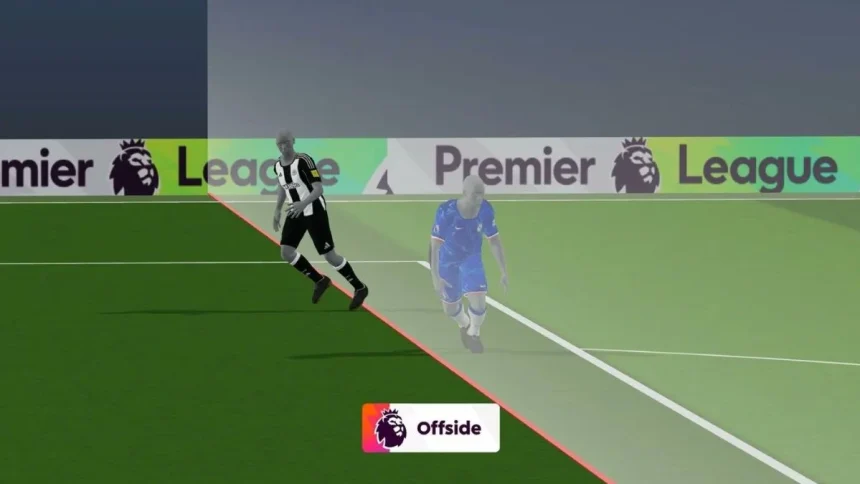
3.1. Full Semi-Automated Offside Technology (SAOT)
After successful testing, semi-automated offside technology is now fully operational in all Premier League fixtures.
- The system uses AI-based player tracking to make quicker and more accurate offside calls.
- It has already reduced long VAR delays, improving flow and transparency for fans both in-stadium and at home.
3.2. VAR In-Stadium Announcements
In a move borrowed from American sports, referees now use stadium microphones to announce VAR decisions directly to the crowd.
For example: “After review, the penalty decision stands, handball, number 5.”
This small but important change keeps fans informed and reduces confusion during lengthy reviews.
3.3. “Double Touch” Penalty Rule
A lesser-known but equally important rule involves penalty kicks.
If a player “double touches” a penalty, meaning they accidentally hit the ball twice (like slipping and striking it with both feet), the goal will now be disallowed.
Instead, the defending team is awarded an indirect free-kick from the penalty spot.
This ensures fairness and prevents accidental advantages for the attacking side.
Why These Changes Matter
The 2025/26 Premier League rules were not introduced overnight, they’re part of a broader push to modernize football, improve fairness, and protect the game’s reputation.
- Referees now have clearer authority.
- Players must show more discipline and respect.
- Goalkeepers have to move the ball faster, keeping fans engaged.
The overall goal is simple: make matches faster, fairer, and more enjoyable, both on the pitch and for those watching around the world.
FAQs
Q1. What is the new “Captains Only” rule in the Premier League?
A. Only the two team captains are allowed to speak to the referee during key decisions. Any other player who argues or approaches risks a yellow card.
Q2. How long do goalkeepers have to release the ball now?
A. They have eight seconds once they gain full control. Referees will visibly count down the final five seconds.
Q3. What happens if a goalkeeper exceeds the 8-second limit?
A. The opposing team is awarded a corner kick instead of an indirect free-kick.
Q4. What is semi-automated offside technology (SAOT)?
A. It’s an AI-based system that tracks player movements and ball position to make offside decisions faster and more accurately.
Q5. What is the “double touch” penalty rule?
A. If a player touches the ball twice while taking a penalty, for example, slipping and hitting it with both feet, the goal is ruled out and an indirect free-kick is given to the defending team.
Also Read- From Twitter To Serie A: How Felix Johnston Went From Chelsea Fan Analyst To Como Scout