



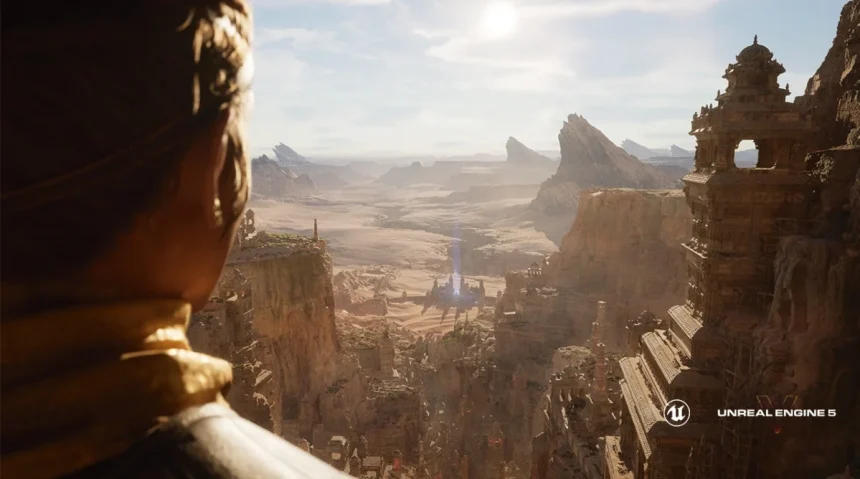
In 2026, Realistic Games are reaching a new level as developers use Unreal Engine 5, path tracing technology, and highly detailed environments to create worlds that feel almost real. Games like GTA VI, expected in late 2026, Black Myth: Wukong,
Marvel’s Wolverine leads this change with cinematic visuals, lifelike characters, and destructible surroundings. These titles push modern hardware to its limits, blending storytelling and advanced graphics to deliver immersive experiences that look and feel closer to reality than ever before.
Realistic Games Enter a New Era with GTA VI in 2026
Grand Theft Auto VI, developed by Rockstar Games and expected to launch after its earlier 2025 window shifted during development. Set in the fictional state of Leonida with a Miami-inspired Vice City, the story follows dual protagonists Jason and Lucia.
Powered by Rockstar’s RAGE engine, the game focuses on lifelike visuals, advanced NPC AI, detailed interiors, and a carefully handcrafted street-by-street world designed to create a truly living city experience.
Realistic Games Push Visual Storytelling with Marvel’s Wolverine
Marvel’s Wolverine, an action-adventure title developed by Insomniac Games and releasing on PlayStation 5 on September 15, 2026. The game tells an original story focused on Logan’s past while delivering high-fidelity combat,

Hyper-detailed textures and realistic character models enhanced by advanced hair and skin shaders. Designed as a single-player experience, it combines cinematic storytelling, brutal close combat, and lifelike environments to create a grounded and visually immersive superhero world.
Realistic Games Reach New Heights with Black Myth Wukong
Realistic Games are advancing through Black Myth: Wukong, an action RPG developed by Game Science using Unreal Engine 5 to deliver lifelike visuals. Inspired by the classic novel Journey to the West, the game features Nanite technology for dense environments,
Lumen lighting for realistic illumination, and full ray tracing on high-end PCs. Developers scanned real Chinese historical locations to build detailed worlds, while interactive environments, snow deformation, and Nvidia DLSS help balance realism with smooth performance.

Realistic Games Advance with Ghost of Yōtei Technology
In 2026, Realistic Games moves forward with Ghost of Yōtei, built to push PS5 Pro and PC hardware using an advanced in-house engine. The game features short-range ray-traced global illumination, native 60 FPS ray tracing on PS5 Pro, and over 250,000 moving particles creating lifelike weather and atmosphere.
Dynamic snow, rain, and terrain deformation enhance realism, while improved draw distances, reactive foliage, fast loading, and cinematic character detail create a living, visually immersive world.
Realistic Games Bring Medieval History to Life Again
Kingdom Come: Deliverance II, developed by Warhorse Studios with a strong focus on historical accuracy. Set in 15th-century Bohemia, the game recreates real locations like Kutná Hora and Trosky Castle using 3D scanning and photogrammetry.
Dense forests, realistic flora, and detailed roads create a lived-in world, while improved lighting, higher resolution textures, and longer draw distances enhance immersion, making players feel as if they have truly stepped into medieval history.
ALSO READ: SBC Awards Europe Announces 2026 Shortlist