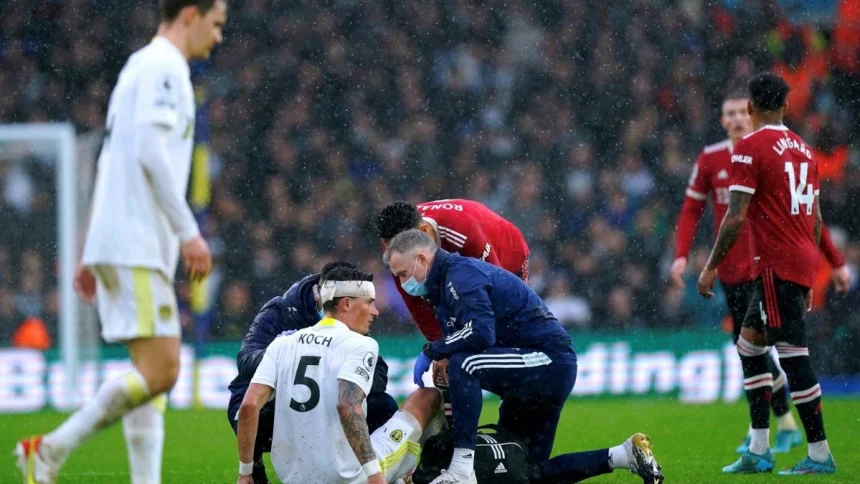
The Science of Football Injuries
Football has become faster and more intense, and this has made the topic of injuries more important than ever. Every season, clubs deal with muscle problems, ligament tears, and fatigue issues that affect performance on the pitch. Understanding the science behind football injuries helps explain why players get hurt and how they return to full fitness.
Modern football places high physical and mental demands on players. Training loads, match intensity, and the constant pressure to perform all play a role in how the body reacts. As a result, sports scientists, coaches, and medical teams work together to manage recovery and reduce injury risks.
Why Football Injuries Happen
Football injuries happen due to many combined factors. Players move at high speed, change direction quickly, and often collide with others. These movements put stress on muscles and joints. When the stress becomes too much, the body starts to break down, which leads to injuries.
Another reason injuries happen is workload. When a player trains or plays too much without enough rest, the body cannot recover fully. This increases the chance of strains and other physical problems. Coaches try to balance training intensity, but the fast schedule in football makes it difficult.
Players can also get injured because of technique. Poor landing technique, weak balance, or incorrect positioning can overload certain muscles. Clubs work on movement patterns to ensure that players use their body safely during matches.

Types of Common Football Injuries
Football injuries can be divided into different categories. Some happen suddenly, while others develop slowly over time. Sudden injuries often occur when a player twists awkwardly or collides with another player. These injuries create instant pain and require immediate attention.
There are also overuse injuries. These develop when the same muscle or joint is used too often without enough rest. These injuries may not be obvious at first but grow worse if ignored. Many medical teams focus on identifying early signs to prevent long-term problems.
Another type is fatigue-related injury. When a player becomes tired, their movements become slower and less controlled. This makes it easier for small mistakes to lead to painful outcomes. Clubs often monitor player fatigue levels to reduce the chance of such injuries.
Read More

How Football Clubs Monitor Injury Risk
Football clubs use a mix of training observation and physical checks to monitor injury risk. Coaches watch how players move, how they react under pressure, and how their bodies respond to different drills. These observations help them decide when to increase or decrease training loads.
Players also go through strength and flexibility assessments. These tests show if one side of the body is stronger or weaker than the other. If there is too much imbalance, the risk of injury rises. Clubs work on correcting these imbalances to keep players stable during matches.
Recovery habits also play a role. Sleep, nutrition, and hydration affect how quickly muscles repair. When recovery is poor, injuries become more likely. Clubs guide players on how to take care of their bodies away from the pitch.
The Process of Injury Rehabilitation
When a player is injured, the rehabilitation journey begins. The first step is reducing pain and swelling. This allows the body to start healing naturally. After this stage, players work on regaining movement and confidence in the injured area.
Strength training follows next. The goal is to rebuild the muscle so that it can handle match demands again. Players often start with light exercises, and as the body improves, they move to more intense drills. This progression must be slow and controlled to avoid further damage.
The final part of rehabilitation focuses on football-specific movements. Players practice sprinting, turning, jumping, and shooting to ensure the injured area can handle full match conditions. Medical teams and coaches work closely during this stage to make sure the player is ready for competition.
Read More

The Mental Side of Injury Recovery
Injury recovery is not only physical. Players also deal with mental challenges. Being away from the pitch can create stress and frustration. The fear of getting injured again can affect confidence. These emotions can slow down recovery if not handled correctly.
Clubs support players by giving them clear plans and regular updates on their progress. This reduces uncertainty and helps them stay motivated. Mental training, positive thinking, and staying connected with teammates also help players stay strong during recovery.
Confidence plays a major role in returning to action. When players trust their body again, their performance improves. Coaches encourage gradual exposure to match-like situations to help rebuild this trust.
How Modern Football Is Changing Injury Treatment
Modern football has changed how injuries are treated. Medical teams now focus on early detection, controlled workload, and personalised recovery plans. Players respond differently to training, so personalised plans help reduce the chance of injuries.
Monitoring tools also help clubs understand how the body reacts to training. These tools guide coaches in adjusting the schedule so that players remain fresh. By controlling workload better, teams aim to reduce stress on the body.
Recovery methods have also evolved. Clubs use simple and effective strategies such as stretching, rest, and nutrition to support healing. These consistent habits help the body repair naturally after every session.
The Future of Football Injury Management
The future of football injury management lies in more personalised care and smarter planning. Clubs will continue to study how players move, how they recover, and how different bodies respond to stress. With this understanding, they aim to prevent injuries before they happen.
Workload planning will also become even more important. As match schedules stay busy, clubs will need to rotate players more carefully. Rest will play a bigger role, as the body performs best when it is not overloaded.
Mental wellbeing will also be a major part of injury prevention. When players feel secure, confident, and supported, their bodies handle pressure better. Football will continue moving toward a more complete approach that balances physical and mental health.
FAQs
Q1. Why do football players get injured so often?
A. Football involves fast movement, high intensity, and physical contact, which increases the chance of injuries during matches and training.
Q2. What is the most common reason for muscle injuries?
A. Muscle injuries often happen when the body is overloaded or when players perform movements without enough rest.
Q3. How do clubs try to prevent injuries?
A. Clubs monitor training load, check movement patterns, and focus on strength and balance to reduce injury risk.
Q4. Why is recovery important in football?
A. Recovery allows muscles and joints to repair after training or matches, reducing the chance of future injuries.
Q5. How long does injury rehabilitation usually take?
A. The duration depends on the injury type and the player’s progress. Rehabilitation focuses on pain control, strength rebuilding, and football-specific movement.
Also Read- Career Hackers In Football: How Micro-Stat Tracking Is Changing Player Growth?