
Are Set-Piece Coaches the Secret Weapon of Modern Football?
In modern football, every small detail counts. Clubs now invest heavily not only in star players but also in the specialists who help them win matches through strategy and precision. One of the most fascinating trends in recent years has been the rise of the set-piece coach, an expert dedicated solely to free-kicks, corners, and restarts.
While fans focus on goals from open play, data shows that a growing percentage of decisive goals in top competitions now come from set-pieces. From corner routines to perfectly timed free-kick movements, these moments often decide titles, promotion races, and even international trophies.
The Rise of the Set-Piece Revolution
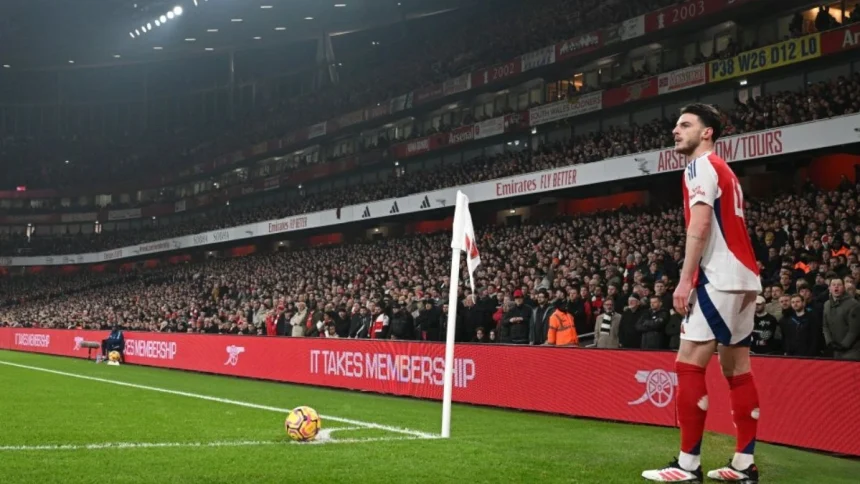
Set-piece coaches were once unheard of, but their influence began quietly spreading in the late 2010s. Clubs like Liverpool, Arsenal, and Brentford introduced dedicated analysts and coaches to perfect dead-ball scenarios. Suddenly, corners became rehearsed plays, and free-kicks turned into calculated opportunities rather than mere hopes.
Managers realised that in tight games, set-pieces could make the difference. A corner goal in stoppage time or a well-rehearsed free-kick could deliver an extra six to eight points per season, the fine margin between Champions League qualification and disappointment.
Why Set-Pieces Matter More Than Ever
Modern football’s increasing tactical balance has made open-play goals harder to score. Defences are more compact, teams press with structure, and the spaces once available have vanished. As a result, coaches have turned to set-pieces to break stubborn lines.
Read More

Set-pieces offer three major advantages:
- Control: Coaches can choreograph movements exactly as they wish.
- Predictability: Unlike open play, all players start from a fixed position.
- Opportunity: Every corner or free-kick near the box is a goal chance.
In elite football, where matches are often decided by a single goal, mastering set-pieces can be a game-changer.
The Science Behind the Strategy
Set-piece coaches rely heavily on analytics, video analysis, and player-specific data. Every routine is planned to exploit weaknesses in the opposition’s defensive structure. For example, teams may identify which defenders struggle with aerial duels or which side the goalkeeper prefers to cover.

These insights allow coaches to design precise movements, blocking runs, decoy actions, and perfectly timed deliveries. The result is often a seemingly simple goal that, in reality, has been rehearsed dozens of times in training.
Case Studies: Clubs Leading the Way
Liverpool FC were among the pioneers. When Jürgen Klopp hired a throw-in coach, many fans laughed. But soon, statistics showed the Reds improved their ball-retention rate dramatically from throw-ins, helping sustain pressure and create scoring chances.
Arsenal followed suit, appointing a dedicated set-piece coach who helped transform their attacking and defensive set-piece records. In the following season, Arsenal scored significantly more goals from corners and conceded far fewer from dead balls.
Meanwhile, Brentford became known for their innovative routines, often using disguised runs and blockers to unsettle opponents. Their attention to set-piece details helped them survive and thrive in the Premier League despite a modest budget.
The Hidden Art of Defensive Set-Pieces
Set-piece coaching isn’t only about scoring. Preventing goals is just as important. Defensive organisation during corners and free-kicks requires communication, discipline, and anticipation.
Coaches now train players to track specific zones rather than individuals, using hybrid systems that mix zonal and man-marking. The goal is to protect vulnerable areas, usually near the penalty spot or at the far post, while allowing defenders to react to movement.
Read More

The Psychological Advantage
Set-piece mastery also carries a psychological impact. When teams know they can score from dead-ball situations, it boosts their confidence. Conversely, opponents dread conceding corners or fouls near the box, knowing danger awaits.
Players also gain a sense of control. Rather than leaving success to open-play chaos, they approach set-pieces like planned chess moves. The confidence this creates can shift momentum in tight matches.
The Role of Data & Technology
Technology now allows set-piece coaches to simulate situations using 3D visualisation tools and drone footage. Teams analyse how players position themselves, when they jump, and even the flight trajectory of the ball.
Some clubs use wearable tracking devices to measure player acceleration during runs into the box. Others rely on AI-assisted software to predict the best routines based on opposition weaknesses. It’s a fusion of analytics, psychology, and athletic performance.
The Future of Set-Piece Coaching
The rise of set-piece specialists signals a wider shift in football: the sport is becoming more scientific, precise, and interdisciplinary. In the near future, we could see dedicated coaches for throw-ins, penalty psychology, or even VAR communication.
As margins grow thinner at the top level, innovation will continue to decide who lifts trophies. And while strikers take the glory, the unsung heroes behind the scenes, set-piece coaches, may quietly hold the keys to victory.
Set-pieces are no longer just moments of chaos; they are the result of meticulous design. The rise of set-piece coaches marks a new era in football’s evolution, one where data, detail, and creativity intersect.
In a sport obsessed with perfection, these specialists are indeed the secret weapon of modern football, shaping results and rewriting what it means to prepare for a match.
FAQs
Q1. What does a set-piece coach do?
A: A set-piece coach designs attacking and defensive routines for corners, free-kicks, and throw-ins, often using data analysis and video review.
Q2. Why are set-pieces important in modern football?
A: Because defences are stronger, set-pieces provide controlled scoring chances and can decide tight matches.
Q3. Which clubs use set-piece coaches?
A: Top clubs like Liverpool, Arsenal, and Brentford have dedicated set-piece or throw-in specialists.
Q4. Do set-piece coaches only work on attack?
A: No, they also improve defensive organisation to reduce goals conceded from corners and free-kicks.
Q5. Is set-piece coaching the future of football?
A: Yes. As the game grows more tactical, every marginal gain matters and set-pieces are now a key frontier of innovation.
Also Read- Arsenal Beat Brighton 2-0 To Reach Carabao Cup Quarter-Finals