

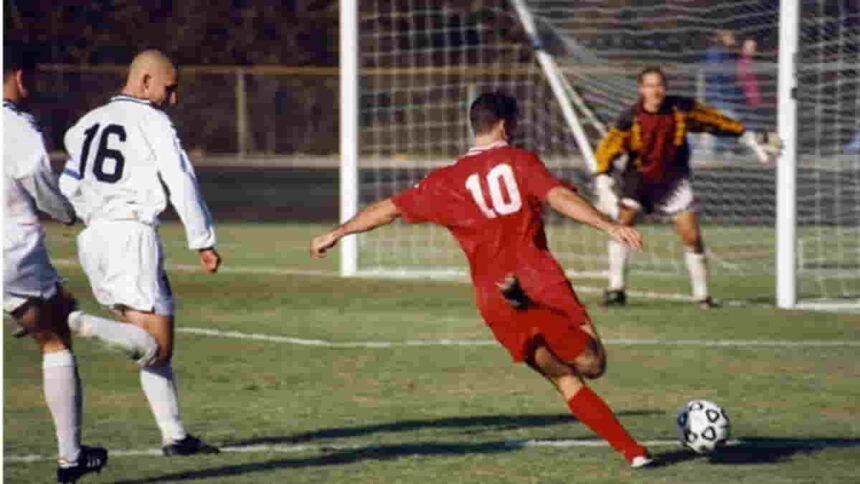
Football is one of the world’s most popular sports. It is enjoyed enthusiastically by millions of people around the globe. It requires great physical and mental skills to play. Today it is played skillfully all over the world. The sport has amassed a huge following of passionate fans who follow their favorite teams with dedication. Football will always remain one of the most popular sports enjoyed around the world. So grab your cleats or bet on your favorite football team with 1XBET – Football awaits!
- 1. Develop Positive Mindsets
- 2. Establish Team Goals
- 3. Promote Skill Development
- 4. Create Strategies That Fit Your Team’s Style
- 5. Incorporate Motivational Techniques
- 6. Utilize Technology
- 7. Foster Relationships With Other Coaches & Teams
- 8. Analyze & Review Game Data
- 9. Communicate Effectively With Players & Parents
It is a beloved sport that millions of people around the world enjoy engaging in, from players to coaches. As a coach, it is your job to lead your team to success by teaching them effective strategies that will help improve their performance. Here are some tips and techniques for football coaches to help their team reach the next level:
1. Develop Positive Mindsets
Creating a positive environment on the team can be essential for improving performance. Work with each player one by one to develop an overall positive mindset. This includes emphasizing teamwork, encouraging effort, and fostering respect among all members of the team – coaches included!
2. Establish Team Goals
Setting goals is key for any successful team. Establishing both short-term and long-term objectives will motivate the players and give them something to strive towards. Be sure to involve the whole team in this process so everyone feels involved in creating these objectives and has a shared understanding of what needs to be accomplished.
3. Promote Skill Development
Focusing on developing skills is also important for improving performance. Provide drills in practice sessions that allow each player to work on specific skills that are relevant to their position or role within the team context. This could include passing, dribbling, shooting, tackling, etc., depending on what type of tasks they need to perform during games.


4. Create Strategies That Fit Your Team’s Style
It’s important to create strategies tailored specially for your team’s style of play rather than copying what other teams do. Do not focus too much on one particular approach like possession or counter-attacking football. Consider how each player fits into your system and experiment with different formations until you find one that works best with your personnel and tactics. Also, think about how you want your players to move around during set pieces such as corners or free kicks.
5. Incorporate Motivational Techniques
Motivating players is key to keeping them focused and performing at their peak level. This includes providing incentives such as rewards after victories or wins in tough games; rewarding effort rather than just results; giving individualized feedback; addressing any issues with discipline quickly but fairly; setting realistic expectations; creating competition amongst teammates; and celebrating successes both big and small (such as milestones).
6. Utilize Technology
Technology can be a useful tool when it comes to training athletes and helping them improve their performance on game day. Video analysis tools can enable you to review footage of past matches and get detailed insights into things such as ball movement patterns, defensive positioning errors, decision-making mistakes, etc. They can then be used in future practices or tactical sessions.
Read More

7. Foster Relationships With Other Coaches & Teams
Networking with other football teams nearby can also be beneficial for both coaches themselves and their respective teams. Attend local coaching clinics if possible too. This way you’ll always be up-to-date with new tactics/strategies being employed by other clubs near you.
8. Analyze & Review Game Data
Using tools can help coaches gain valuable insight into how their teams are performing during a match. Which could otherwise go unnoticed while watching from the sidelines alone (e.g., tracking/recording personal player’s movements over time). Reviewing these stats post-game then allows you to make necessary adjustments. It’s helping increase accuracy efficiency levels vitally!
9. Communicate Effectively With Players & Parents
Communication plays need not only between the coach/players but also between the coach/parents. Regularly interacting with those involved ensures everyone knows exactly what is expected from them. But also provides opportunities for open dialogue where constructive criticism can be discussed openly.
For those wanting to experience football firsthand, there are plenty of options available around the world. Amateur clubs often run regular pick-up games open for public cooperation. There are also several tournaments played annually between national teams from all over the world.
Conclusion
In conclusion, there are many strategies that football coaches can use to improve team performance. Ultimately, it is up to each coach how they choose to implement these methods but by doing so effectively, they will be well placed for success!

Disclaimer: Gambling involves an element of financial risk and may be addictive. Please play responsibly and at your own risk. This post contains material that may or may not be legal in your country. Please play/not play subject to applicable law.