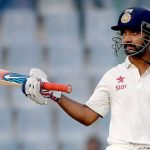

In One Day Internationals (ODIs), batsmen play a crucial role in determining the outcome of the game. While both strike rate and average are important measures of a batsman’s performance, they have different implications in different batting positions. Here is a look at Strike Rate vs Average, which is better for ODI batters.
Strike Rate vs Average
A batsman’s strike rate refers to the number of runs scored per 100 balls faced. A high strike rate implies that a batsman is scoring runs quickly, which can put pressure on the opposition and change the course of the game. On the other hand, a batsman’s average refers to the total number of runs scored divided by the number of they was dismissed. A high average indicates that a batsman is consistently scoring runs, which can help the team to build a solid total or chase a target.
Virat Kohli
In the top order, where the primary aim is to build a platform for the rest of the innings, a batsman’s average is more important than their strike rate. For instance, Virat Kohli, who bats at number three for India, has an ODI batting average of 57.32, which is among the highest in the world. His ability to anchor the innings and score big runs has been instrumental in India’s success in ODIs.
Jos Buttler
In the middle order, where the situation is often more fluid, a batsman’s strike rate becomes more important. For example, England’s Jos Buttler, who bats at number five, has a strike rate of 117.94 in ODIs, which is one of the highest in the world. His ability to score quick runs in the middle overs has helped England to post or chase big totals in ODI cricket.
Hardik Pandya
In the lower order, where the primary aim is to score quick runs and take the team to a defendable total or chase down a target, a batsman’s strike rate is the most important factor.
Read More

For instance, India’s Hardik Pandya, who bats at number seven, has a strike rate of 112.02 in ODIs, which is higher than his average of 33. His ability to score quick runs at the death overs has been crucial in India’s success in limited-overs cricket.
David Warner
However, it is important to note that the strike rate and average are not mutually exclusive, and a batsman can have a high strike rate and a high average as well. For instance, Australia’s David Warner, who opens the batting for his team, has a strike rate of 95.16 and an average of 44.67 in ODIs, which is a testament to his ability to score quick runs while also being consistent.
Conclusion
Whether strike rate or average is more important for a batsman in ODI cricket depends on their batting position and the situation of the game. While a high average is desirable in the top order, a high strike rate is more important in the middle and lower orders. However, in practice, the best batsmen are those who are able to strike a balance between the two and consistently perform in all situations.
Read More

Also Read: How much impact does bowling economy have in T20s?
“Get more sports news, cricket news, and football updates, log on to sportsdigest.in. Follow us on Facebook or Twitter and Subscribe to our YouTube Channel.”