
The top three traditional Asian sports are still played today. The Asian sports industry has often been overshadowed by European colonization, even though Asia has a long and rich sporting history spread across different regions. Some of the world’s most popular games, such as chess, ludo, and Snakes and Ladders, originated in South Asia. Asia is also considered the birthplace of many martial arts, especially in South Asia, Southeast Asia, and East Asia, where these fighting styles developed as part of culture, discipline, and self-defence.
Several traditional sports were shared across regions in ancient times. Kabaddi was played in both Persia and South Asia, showing strong cultural connections through sport. Games like atya-patya were common in South Asia and also spread to Southeast Asia. Ancient Chinese games such as cuju and chuiwan closely resemble modern football and golf, highlighting how early Asian sports influenced today’s global games.
Kabaddi: Indian Origin Sport
Kabaddi is a contact team sport that originated in South Asia. It is played between two teams of seven players each. Even today, the sport continues to spread and gain popularity across the world. References to kabaddi can be found in the Vedic period, showing its ancient roots. Around the 20th century, the sport was formalized with proper rules and organized competitions.
Kabaddi was first demonstrated at the 1936 Berlin Olympics, and later it became part of major international events such as the Asian Games in 1990. In India, big leagues like the Pro Kabaddi League (PKL) have shown the world how large and exciting kabaddi is as a modern sport.
India stands as the number one nation in the world at the international level in kabaddi, a position built on the players’ consistent dominance in World Cups, Asian Games, and continental championships. This supremacy is evident in both men’s and women’s competitions, where Indian teams continue to lead and set global standards through their skill, depth, and winning performances.

Sumo wrestling: Japan’s Origin Sport
Sumo wrestling is Japan’s oldest and most traditional sport, with its origins dating back nearly 1,500 years and deeply rooted in Shinto rituals. In ancient times, sumo bouts were performed at religious sites to please the gods, praying for good harvests and prosperity in agriculture. Early matches were largely ceremonial, symbolizing balance, harmony, and a sense of unity and brotherhood. In the present day, sumo continues to represent Japan’s rich cultural heritage while also existing as a professional sport governed by the Japan Sumo Association.
Although sumo wrestling does not have an official international standing or global ranking system, this is because no formal body decides international rankings. The entire professional structure of sumo is governed by the Japan Sumo Association, which is why all official sumo tournaments are held in Japan. As a result, Japan is considered the undisputed number one nation in the world of sumo wrestling.
Japan’s standing in world sumo wrestling is not only about being number one, but also about being the center of the entire sport. The rules, rituals, ranking system (Yokozuna, Ozeki, Sekiwake), and training culture of sumo are all controlled and followed in Japan. Top wrestlers from around the world, whether from Mongolia, Georgia, Bulgaria, or Russia, also have to live and train in Japan’s heya (training stables) and compete only in Japan’s professional sumo tournaments.

Polo: Iran’s Legacy To Argentina’s Dominance
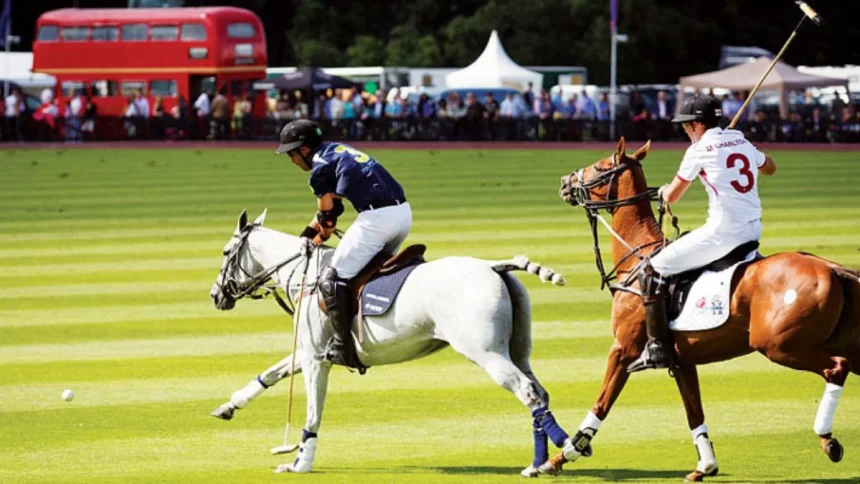
Polo is one of the oldest team sports in the world and in Asia, with a rich history of over 2,000 years that makes it truly unique. The sport originated in ancient Persia (modern-day Iran), where it was first used as a training exercise to prepare cavalry units for warfare. Over time, polo spread across Central Asia, Tibet, China, and the Indian subcontinent through trade routes and military movements. In India, the game took a distinctive shape in Manipur, where it was traditionally played as “Sagol Kangjei”.
In the global landscape of polo, leadership doesn’t come from a formal crown but from years of dominance on the field. The heartbeat of the modern game is often felt in Argentina, where the sport is played at its highest and most competitive level. Close behind, traditional strongholds like England and the United States continue to shape the game through elite tournaments and deep-rooted club cultures. Meanwhile, nations such as Australia, Chile, and Brazil steadily make their presence felt, while India and Pakistan remain woven into polo’s historical and cultural fabric, reminding the world where the sport’s legacy still echoes.
ALSO READ: 5 Biggest Sports Moments Of 2025