
It’s amazing to think that a board game like chess, usually played indoors, has a long history that connects different places and times. Chess started in India as a game called chaturanga. It then moved to Persia and became shatranj, before spreading through North Africa into Spain and finally becoming the modern version we know in Europe.
The Global Journey of Chess: From India to Europe
The names of the original chess pieces also tell us something about the culture and politics of those times. For example, the gajah, or war elephant, shows how important elephants were in Indian battles. The mantri, or minister, stood next to the king, showing how close rulers were to their advisors. As the game spread, these pieces changed. The war elephant became the bishop, and the minister became the queen.
It’s also interesting that the queen, now the most powerful piece in chess, reflects how women were becoming more important in European royal courts during that time.
During the Cold War, chess became more than just a game. It turned into a way for countries to show their power and influence. The Soviet Union dominated the chess world for years, until American Grandmaster Bobby Fischer defeated Boris Spassky in what many call “The Game of the Century.” That match turned the 64 squares of the chessboard into a symbol of the global rivalry between two powerful nations.

Tamil Nadu: The Heart of Indian Chess
Even today, chess still reflects international competition. A recent example is Indian Grandmaster Gukesh D defeating Chinese World Champion Ding Liren to win the World Chess Championship. This match was about more than just a title. It also showed the growing competition between India and China, two countries on the rise.

Viswanathan Anand’s Legacy and Its Lasting Impact
In India, chess has a strong local identity. The state of Tamil Nadu stands out, with 31 of the country’s 85 Grandmasters coming from there. Much of this success is credited to chess legend Viswanathan Anand, who won five World Championships in the early 2000s. His victories helped make India a major name in the chess world and inspired many new players, especially in his home state. The excitement around chess peaked in 2022 when Chennai hosted the World Chess Olympiad. The whole city joined in the celebration, with black-and-white murals and decorations everywhere. This led to Chennai being called “The Mecca of Indian Chess.”
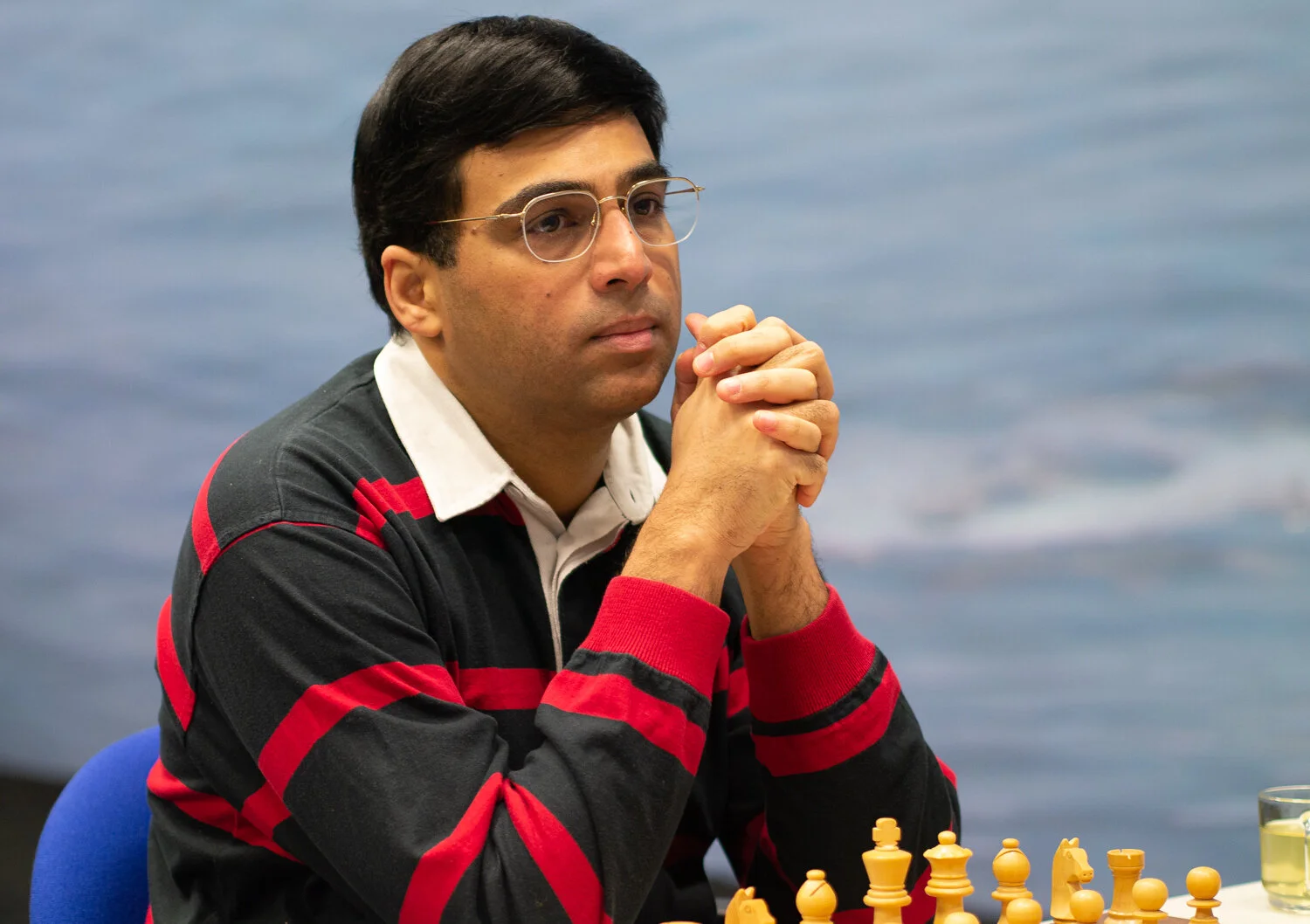
The 2024 World Chess Championship brought some controversy when the original venue, New Delhi, was suddenly changed to Singapore. The decision was made to avoid giving Gukesh D a home advantage by playing in India. This situation shows how location still plays an important role in chess.

The term topophilia, which means a strong emotional connection to a place, fits well here. Considering how deeply chess is connected to Indian culture and how quickly India is producing top players, the concern wasn’t surprising. India’s strong performance in both the open and women’s sections of the 2024 Olympiad proves that it is now a major force in world chess.
The Digital Transformation of Chess After COVID-19
Chess has also seen big changes since the COVID-19 pandemic, especially with the rise of online play. The image of chess players and the way chess shapes local identity are also interesting topics to explore. Looking at chess from a geographical point of view can help leaders, researchers, and sports planners understand why some regions are more active in the game than others. This kind of thinking can help grow the culture of chess and other sports across India.
ALSO READ: Open Championship 2025 Day 1 Highlights With Scores And Standings