
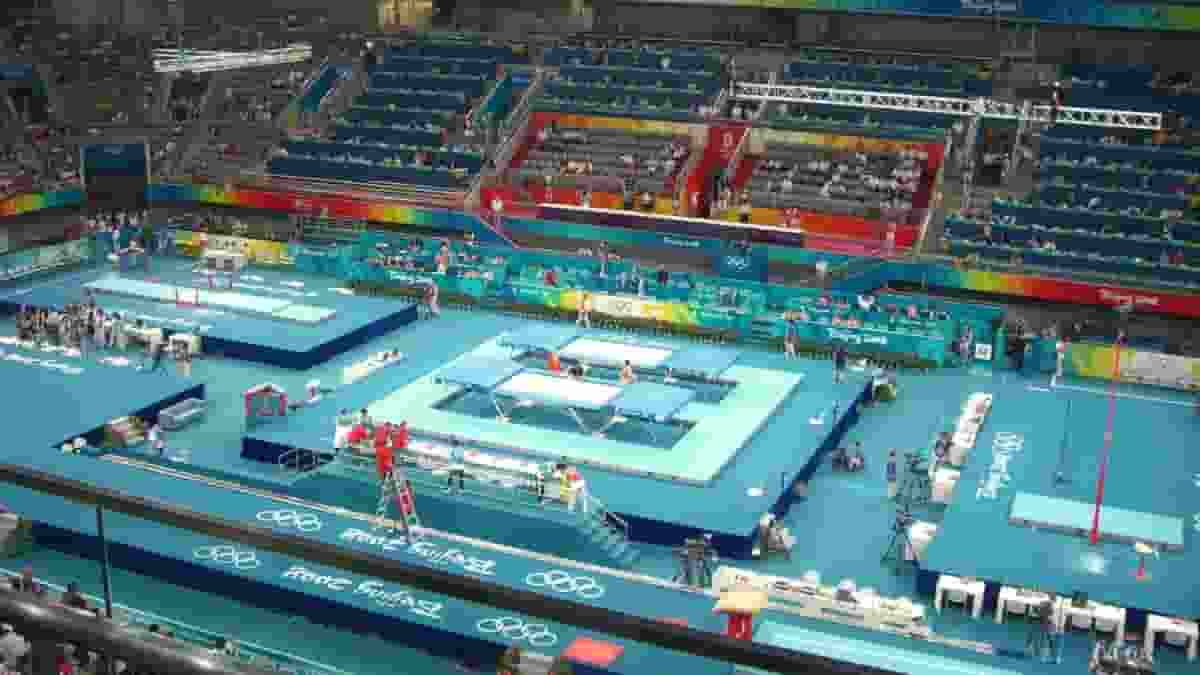
Trampoline is a sport where athletes do cool flips and tricks on a big, bouncy rectangle. They try to jump high while doing flips, twists, and somersaults. Judges score them based on how hard and precise these moves are. In competitions, athletes follow a set routine and get judged on things like how they look, how high they jump, and how precise they are. The goal is to make as few mistakes as possible and show off their skills.
History
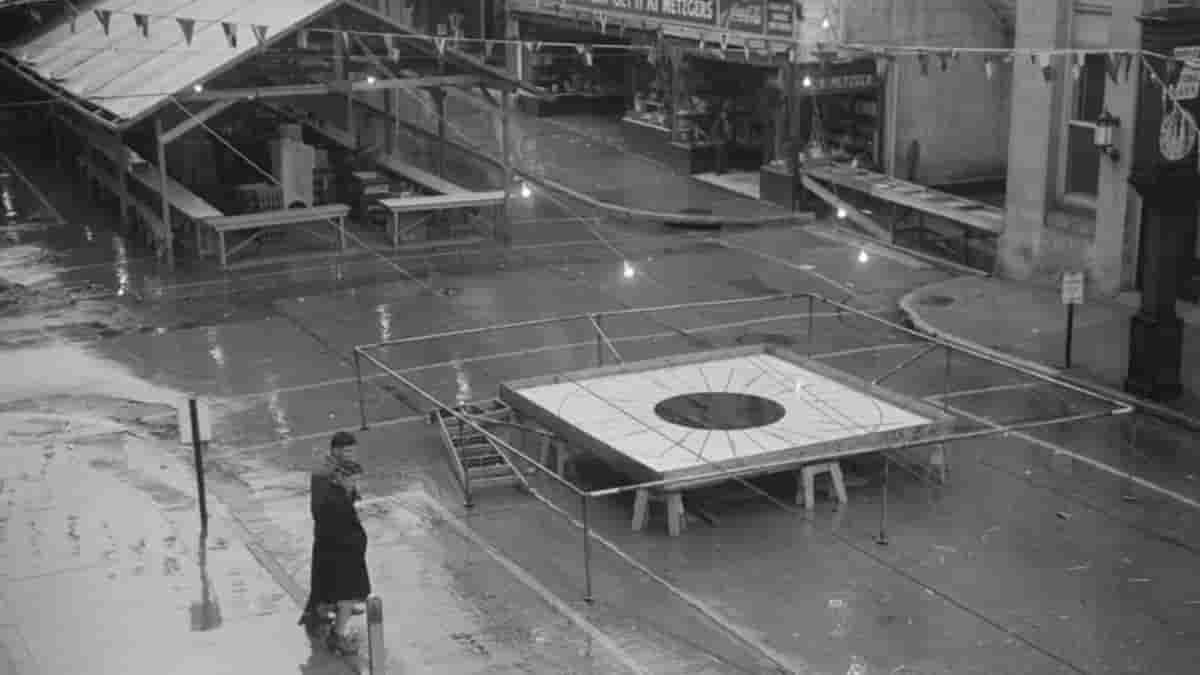
Trampoline gymnastics is overseen by a group called the International Gymnastics Federation (FIG), and it is even in the Olympics. The trampoline was first started in the early 1900s. Two American gymnasts, George Nissen and Larry Griswold, came up with the idea in the 1930s. They got inspired by watching trapeze artists bouncing off safety nets. In 1934, Nissen and Griswold made the first trampoline using canvas and rubber. At first, they called it a “bouncing rig,” but it became really popular among gymnasts, and later they trademarked it as the “trampoline.” People saw it was not just fun but also good for staying fit.
During World War II, the U.S. Navy used trampolines to help train pilots in spatial orientation and coordination. After the war, trampolining became a popular thing for both fun and competition.
Types
1. Individual trampoline
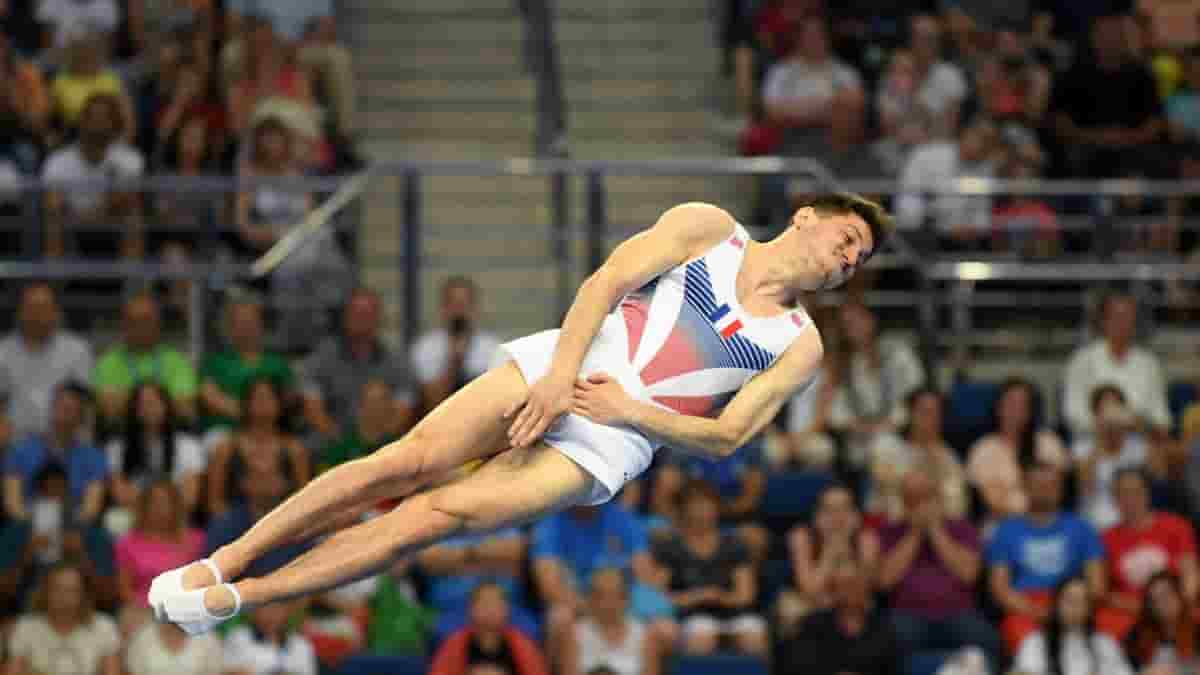
It refers to a form of trampolining where a single person engages in bouncing and performing various movements on a trampoline. This type of trampolining is typically done for recreation, exercise, or skill development. Individuals use a standard trampoline to jump, flip, and execute different activities based on their skill level and personal preferences. While it may involve elements of fun and exercise, individual trampolining is distinct from competitive trampolining, which involves athletes performing routines on specially designed trampolines in a regulated and scored environment. Trampoline gymnastics even became an official Olympic sport in 2000.
2. Synchronized trampoline

Synchronized trampolining is when two or more people perform coordinated routines on trampolines. In this type of trampolining, participants bounce together, doing flips, twists, and spins in a synchronized manner. It’s like a team effort, where the movements are carefully timed to match each other. It shows teamwork, precision, and the ability to perform complex routines in harmony with others.

Also Read: Rhythmic Gymnastics World Cup kicks off in Sofia
3. Double-mini trampoline
It is also known as DMT, a gymnastics discipline where athletes perform a sequence of skills on a specialized trampoline apparatus. The “double mini” aspect refers to the trampoline’s two sections: a small horizontal bed and a larger sloping bed. Athletes begin by running and jumping onto the small bed, executing skills, then dismounting onto the larger bed, showing additional skills before landing.
4. Tumbling
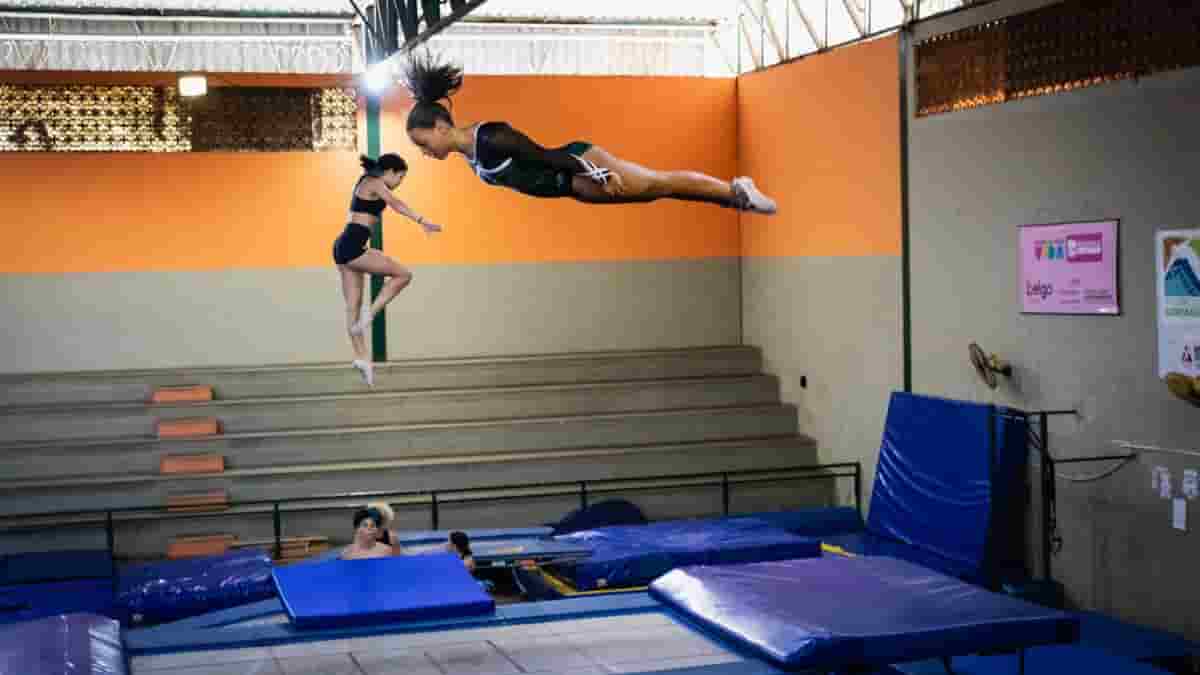
Tumbling is a gymnastic discipline that centers on performing sequences of acrobatic and athletic activities, including flips, somersaults, handsprings, and twists. In contrast to artistic gymnastics, where athletes perform on apparatuses like beams or bars, tumbling takes place on a spring runway or mat. The emphasis lies in executing these movements with power, precision, and smoothness, highlighting a blend of strength, flexibility, and agility.

Rules
The rules of trampoline gymnastics can be broken down into four main categories: Execution, Difficulty, Horizontal displacement, and Time of flight.
- Execution is scored based on how well each element is performed. This includes things like body shape, control, and timing.
- Difficulty is scored based on the complexity of the elements performed. More difficult elements are worth more points.
- Horizontal displacement is scored based on how well the gymnast stays in the center of the trampoline. Gymnasts who move too far to the side will lose points.
- Time of flight is scored based on how long the gymnast spends in the air. Gymnasts who jump higher score more points.
Equipment

Trampoline: The central apparatus features a fabric bed connected to a frame by coiled springs, enabling gymnasts to perform routines with jumps, flips, and twists.
Frame: A structural support system that is typically constructed from steel, encompassing legs, and a perimeter to secure the springs and bed in place.
Springs: Coiled components connecting the frame to the trampoline bed, responsible for providing the necessary bounce and rebound, allowing gymnasts to execute aerial maneuvers.
Safety Pads: Protective padding covers the frame and springs to minimize injury risks in case a gymnast makes contact during a routine, ensuring a safer practice environment.
Spotting Mats: Additional mats strategically placed around the trampoline to offer extra cushioning and protection. They absorb impact during dismounts and landings, enhancing overall safety for gymnasts.

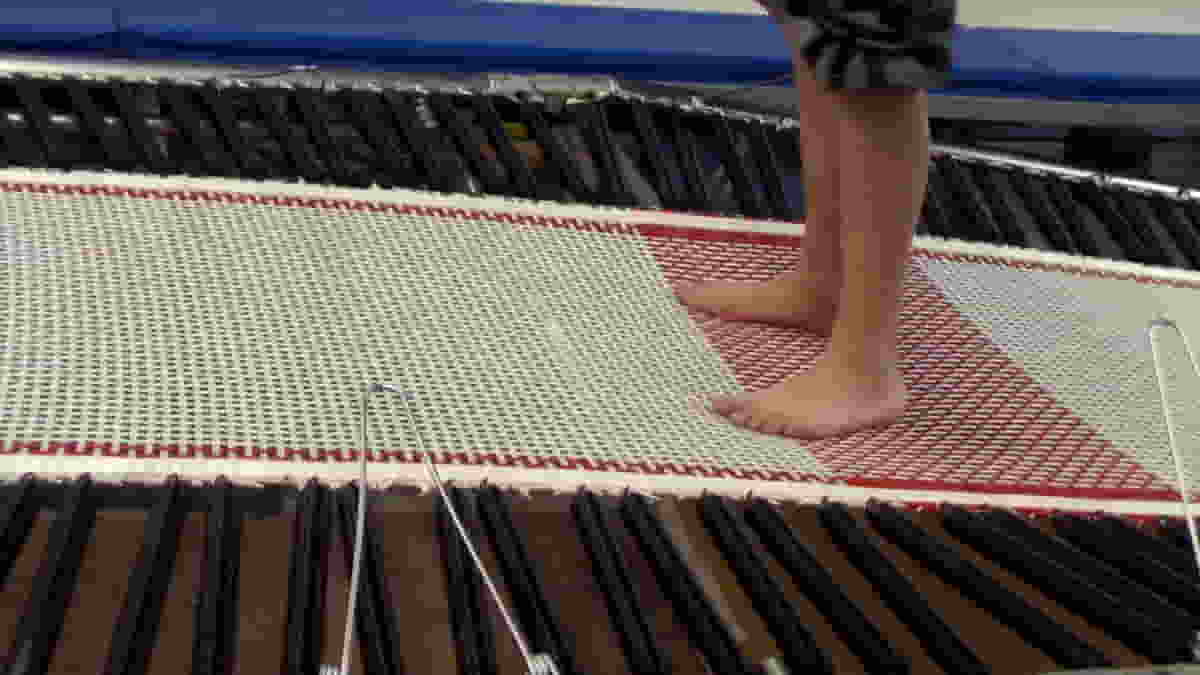
Competition Bed: A trampoline bed meeting specific standards set by the International Gymnastics Federation (FIG) for competitive trampoline gymnastics. This includes considerations for dimensions, tension, and materials to ensure consistency and safety in competitions.