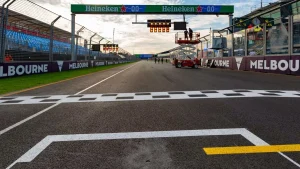

F1 tracks are as diverse and captivating as the sport itself, each type demanding a unique blend of skill, strategy, and a dash of bravery from the drivers. If you’ve ever wondered why some tracks feast on speed while others serve bite-sized challenges with hairpin turns and concrete walls inches from the tarmac, you’re in the right place. Let’s break down the main types of F1 tracks and what makes each one tick, in true fan-style.
Types Of F1 Tracks
Permanent F1 Tracks
First up, the permanent circuits. These are the “home turf” of Formula 1, tracks built exclusively for racing. Think Silverstone, Monza, or Circuit of the Americas. They’re sprawling, meticulously designed beasts with generous run-off areas for when things get spicy, sweeping curves that tease the limits of grip, and long straights where cars roar at mind-bending speeds.
Drivers love these because there’s room for error, and strategy unfolds lap after lap, pit stops, tyre management, and wing adjustments play crucial roles here. They combine nature’s landscape with engineering genius, producing some of the best racing spectacles.
City Street F1 Tracks
Next, we hit the city streets. Street circuits are the urban battlegrounds turned racing arenas, tight, twisty, and unforgiving. Monaco is the crown jewel of street circuits. Here, the barriers squeeze in tight, leaving no room for mistakes; one slip and it’s goodbye hopes for points. These tracks run on real roads, lined with walls, curbs, and bumps not designed for race cars but real traffic.
The streets demand laser-focused precision and nerves of steel. The reward? Amazing cityscapes, electrifying atmosphere, and watching drivers dance inches away from disaster at breakneck speed. Singapore, Jeddah, and Miami join this party, each bringing its own character but sharing that pulse-pounding, risky vibe.

Hybrid F1 Tracks
Now for the hybrids, these are the fascinating middle children mixing the best of both worlds. They borrow elements from permanent and street circuits, offering challenging layouts with sections that behave like typical road tracks mixed with tighter, street-style corners. The newly crafted Vietnam circuit exemplifies this hybrid in design: city backdrop meets flowing racing sections, demanding versatility from drivers and diverse setups from engineers.
What’s wild about these F1 track types is how differently they test driver skills. Permanent circuits reward calculated aggression and strategy finesse. Street circuits call for pure precision and bravery. Hybrids require adaptability, a sweet spot between risk and control. And for us fans? That variety spices up the calendar, keeps the races unpredictable, and the drivers constantly on their toes.
So, whether you’re a die-hard fan cheering for daring overtakes at Monaco or a speed junkie marvelling at top speeds on the Italian Monza straight, now you know the secret sauce behind the different flavours of F1 tracks.

Also read: Top 4 F1 Tracks Where Speed Rules: Fastest Laps Ever Set