In the cricket game, one over is made up of six legal deliveries. But when there’s an illegal delivery by a bowler, it not only interrupts the smooth flow of the game but also prolongs the over, which takes too much physical and mental stress on the bowler.
What Are Illegal Deliveries in Cricket?
Illegal deliveries are balls bowled illegally against the stipulated Laws of Cricket. When a bowler does so, such a ball does not count among the six valid deliveries of an over. Therefore, an additional ball has to be bowled to fulfill the over.
These deliveries tend to produce additional runs for the batting team and may stretch an over well past its normal duration. Overs have lasted as long as 15 or even 22 deliveries in extreme situations because of ongoing breaches.
Types of Illegal Deliveries in Cricket
There are two main types of illegal deliveries: no-balls and wides. Both types have particular criteria by which they are termed, and they both have different consequences for both the bowler and the batting teams.
- No-Balls: Most Common Illegal Delivery
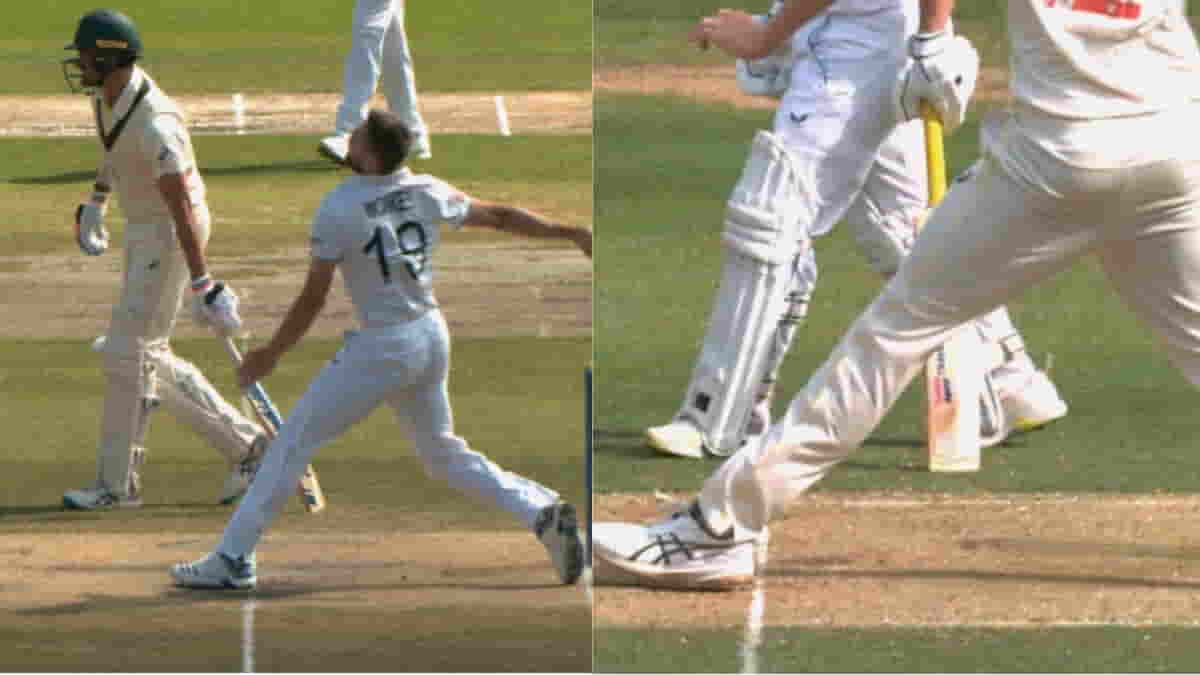
A no-ball is referred to when the bowler violates certain rules while delivering. Typical reasons include:

Stepping over the front (popping) crease
Placing the back foot beyond the return crease
Bowl a no-ball (beamer) over waist-height
Read More

Bowl with an illegal bowling action (such as chucking)
Bowl short-pitched and dangerous deliveries
Violations of fielding positions
Penalties and Consequences of a No-Ball
1 run penalty to the batting team (2 in certain formats such as The Hundred)
An additional delivery has to be delivered

The subsequent ball is a free hit in limited-overs cricket
Runs from the no-ball (bat or extras) are included
The batter is shielded from the majority of dismissals: cannot be caught, LBW, or bowled
- Wide Balls: Another Popular Illegal Delivery
A wide is declared when the ball is considered out of range of the batter to hit a standard cricket shot. A delivery will be considered wide if:
It goes too far outside the stumps
It goes over the head of the batter
It is too far away even if the batter does not try to hit a shot
Penalties and Consequences of a Wide
1 penalty run to the batting team
Additional delivery has to be bowled
Additional runs of byes or overthrows are included
Batter can be hit wicket or stumped, but not caught, LBW, or bowled
No-Ball versus Wide: Which Has Precedence?
If a delivery is both a no-ball and a wide, the no-ball is the one given precedence. All the penalties and safeguards for the no-ball hold good, including the free hit and safeguard against crucial dismissals.
Other Extras: Are They Illegal Deliveries?
Certain inserts such as byes and leg-byes are not illegal deliveries.
Byes
Happen when the ball goes through the batter untouched and runs are scored
Are legal deliveries
Runs are awarded to the team, not the bowler
Do not entitle the team to an extra ball
Leg-Byes
Are when the ball makes contact with the batter’s body (not hand or bat) and runs are taken, if the batter attempted to play or get out of the way
Also considered legal deliveries
No extra ball is required
Runs are recorded in the team total, not the bowler
Why Illegal Deliveries Cause Long Overs
Every illegal delivery a no-ball or a wide compels the bowler to bowl an extra ball. When a bowler lacks control, repeated offenses can rapidly escalate into long overs. Not only does this impact match timing, but it also heightens:
Bowler fatigue
Pressure on the bowling team
Strategic benefit for the batting team
In extreme conditions in professional cricket, overs have stretched considerably past six deliveries, sometimes by as many as 15 or more.
Summary Table: Illegal Delivery Types and Their Effects
| Type | Typical Causes | Penalty Runs | Counts Toward Over? | Bring-on Extra Ball? | Credited to Bowler? | Protection from Dismissal |
| No-Ball | Overstepping, chucking, beamer, fielding offenses | 1 (2) | X | ✔ | ✔ | Not bowled, caught, or LBW (run-out, hit twice valid) |
| Wide | Too wide or too high for legal shot | 1 | X | ✔ | ✔ | Can be stumped or hit wicket; not bowled, caught, or LBW |
| Bye | Misses bat/body, runs taken | Varies | ✔ | X | X | N/A |
| Leg-Bye | Hits body, batter played/avoided | Varies | ✔ | X | X | N/A |
It is important for players, coaches, as well as fans to know about illegal deliveries in cricket. Not only do they affect the rhythm of a game, but they can also decide its fate particularly in closely fought matches. The bowlers have to remain disciplined in order not to commit these expensive mistakes that lead to lengthy overs and benefit the batting team greatly.
ALSO READ: Cricket Careers Beyond Playing And Coaching