



The UEFA Champions League Round of 16 draw has once again delivered a fascinating blueprint for a tactical masterclass, transforming what could have been a routine knockout stage into a thrilling battlefield of football philosophies and strategic intrigue. European football’s elite are now poised to collide in contests that will test not only individual brilliance but also the cerebral depth of coaching, formations, and in-game adjustments, proving that this competition remains the ultimate test of tactical excellence.
High Stakes, Higher Minds: What the UEFA Champions League Draw Delivered
The UEFA Champions League Round of 16 draw brought some heavyweight pairings that hint at contrasting tactical battles as well as chess-like managerial duels. The headline fixture of Real Madrid vs Manchester City brings together two teams defined by their possession structures and pressing mechanics. City, under Pep Guardiola, has long championed positional play and overloads in midfield, probing for pockets of space to exploit. Real Madrid, on the other hand, combines high ball circulation with incisive vertical transitions through its dynamic forward line. This tie, more than most, promises the kind of stylistic juxtaposition that sharpens tactical narratives for fans and analysts alike.
Chelsea vs Paris Saint-Germain is another tie where strategic nuances will be under the spotlight. PSG’s recent European performances reveal a side comfortable controlling tempo and territory through midfield dominance, but vulnerable in transitional moments, especially when facing teams that can exploit space behind their push. Chelsea, with their blend of structured pressing and flexible midfield rotations, could force PSG into uncomfortable defensive shapes, making each phase of play a study in spatial control and transitional balance.
Premier League Flair vs Tactical Rigidity: Arsenal and Liverpool’s Paths
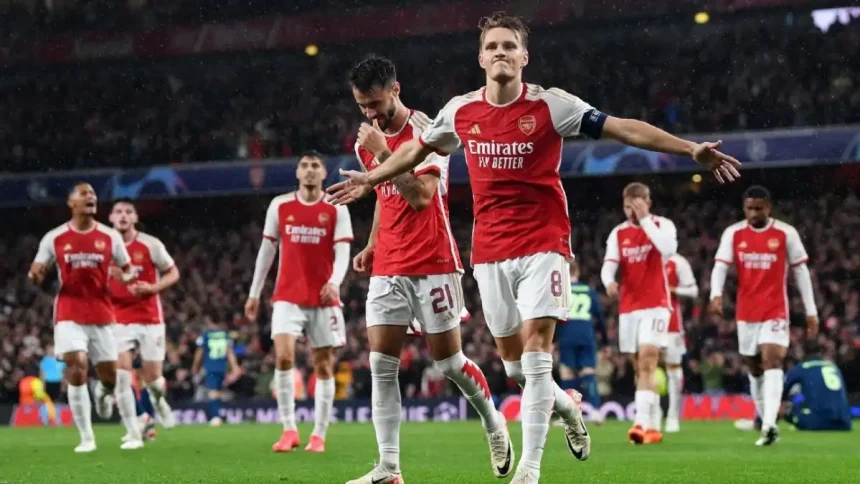
Across the draw, Arsenal’s tie with Bayer Leverkusen has the makings of a modern tactical duel. Arsenal’s fluid attacking shape, built on quick combination play and interchanging positions, will test Leverkusen’s high-pressing structure. The Bundesliga side’s organization in pressing moments often forces errors high up the pitch but can also be susceptible to swift counter-pressing by teams comfortable in possession. This match pit stop-start intensity against patient build-up play, a key theme that tactical purists relish.
Meanwhile, Liverpool vs Galatasaray looks set to be a classic case of contrasting approaches. Liverpool’s relentless pressing and rapid transitions have defined their European campaigns, while Galatasaray’s more measured tactics, built around compact defensive lines and calculated progression through midfield, will push Jurgen Klopp’s side to refine their patterns of attack and exploit spaces between lines rather than rely on sheer intensity.
Read More

La Liga Tradition and Strategic Roadmaps
La Liga’s influence on the tactical discourse in the UEFA Champions League remains significant. Barcelona’s clash with Newcastle offers perhaps the widest stylistic gulf in the draw. Barcelona’s heritage of structured build-up from the back and control-oriented possession contrasts sharply with Newcastle’s more direct, transitional patterns under their manager’s preferred structure. This duel will hinge on how Barcelona manage vertical transitions and how Newcastle resist being drawn into a slow, possession-heavy rhythm.
Similarly, Atletico Madrid’s confrontation with Tottenham is likely to be grounded in disciplined defensive organization versus energetic forward thrusts. Atletico’s trademark compact block, designed to limit spaces between lines and stifle central penetration, complements Tottenham’s tempo-driven attacks and dynamic mid-to-forward linking play. How each team adjusts during phases of high pressure and quick breaks will define the narrative of this tie.
Underdogs, Style Matches and Tactical Subplots
One fascinating subplot from this season’s UEFA Champions League Round of 16 draw is the presence of intriguing underdogs such as Bodo/Glimt. Their fearless attacking approach and willingness to engage in high-tempo play against traditionally more structured European sides adds a layer of unpredictability. As underdogs, they force favored teams to balance caution with ambition, a balancing act coaches spend years perfecting.

Atalanta’s matchup with Bayern Munich brings its own flavor of tactical complexity too. Atalanta’s aggressive press and fluid attacking runs will challenge Bayern’s structured build-up and control-oriented football. Expect this to be a battle of transitional speed versus possession control, with space exploitation and pressing triggers taking center stage.
Matchups That Define Strategic Momentum
If there is one constant in the UEFA Champions League, it is that the Round of 16 is where tactical identities are fully exposed. Teams are no longer just executing styles; they are adapting them to overcome equally prepared foes. Each pairing from this draw, from Madrid vs City to PSG vs Chelsea and Barcelona vs Newcastle, sets up a tactical showcase that will deepen into analytical debate as the two-legged ties unfold, offering a rich feast for supporters, analysts, and coaches across the football world.
Also Read: What The Latest Champions League Draw Tells Us About The Balance Of Power In European Football