
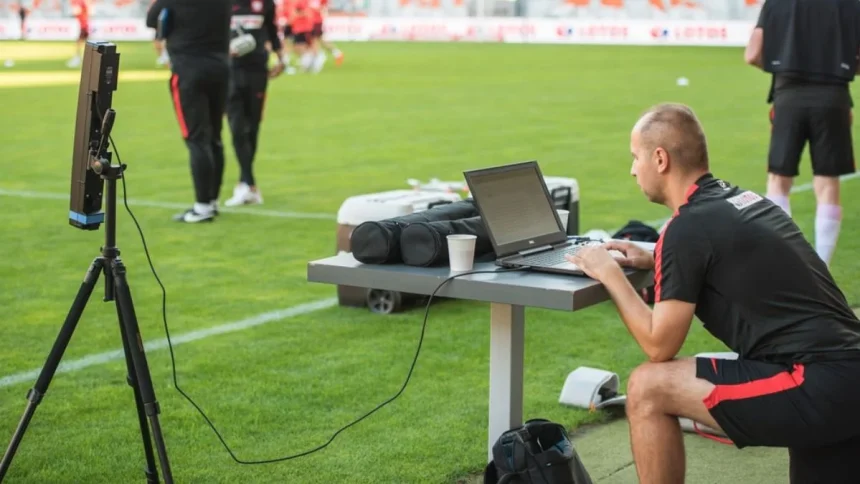
If you’ve ever yelled at your TV during a nail-biting cricket finish or a Formula 1 pit strategy gone wrong, you might have the spark to be a sports analyst. These unsung heroes turn raw stats into game-changing insights, blending your love for sports with number-crunching magic. Whether it’s predicting a tennis player’s next ace or spotting why a MotoGP rider’s bike setup flopped, sports analysts are the brains behind the thrills. So, buckle up, because this beginner’s guide will tell you who they are and how you can join the action.
Who Is A Sports Analyst?
A sports analyst is the ultimate detective in the world of jocks and jerseys. They’re not just the loudmouths on TV breaking down a match; they’re data wizards who dig deep into player speeds, team tactics, and even weather vibes to uncover hidden edges. Using tools like Python, SQL, and fancy visuals in Tableau, they crunch numbers from wearables, game footage, and league stats to help coaches tweak strategies or teams scout talent.
These sports analysts work everywhere, from professional teams and broadcasters to big firms and media outlets. They might simulate “what if” scenarios, like how a chess grandmaster’s opening gambit shifts win odds, or analyse F1 overtakes for pure dominance. It’s less commentary, more science: spotting trends, predicting outcomes, and turning chaos into clear calls.
How To Become A Sports Analyst
Ready to level up? Grab a bachelor’s in stats, sports management, or even math; it’s your entry ticket, though bootcamps work too if you’re hustling. Next, get a data analytics certificate from spots like Coursera; think Python, R, and SQL to handle big data without breaking a sweat.
Attend industry events like the Sloan Sports Analytics Conference, network like a professional, soak up trends, and chat up insiders. Build real skills with internships at teams, volunteering for local leagues, or pet projects like modelling cricket batting averages. Polish your resume with a killer portfolio: charts on tennis serve speeds or MotoGP lap simulations scream “hire me.” Entry gigs might pay around $60K in the US, but grind hard and watch it climb.

Scope Of A Sports Analyst
The playground? Massive and growing. Teams crave sports analysts for edge-of-your-seat decisions, media need data-backed hot takes, and betting ops love win-probability wizards. Self-employed? Freelance for esports squads or chess platforms; the sky’s the limit with remote jobs booming.
Demand skyrockets in football, basketball, F1, and cricket, especially with wearables and AI exploding. Salaries hover $50K-$70K starting, up to six figures for professionals. In India, IPL teams and tennis circuits are hunting talent. It’s niche but exploding, perfect if you live for stats and stadium roars. So, buckle up, the game’s just heating up!
Also read: How Top Athletes Think: Inside the Unbreakable Mind of Champions