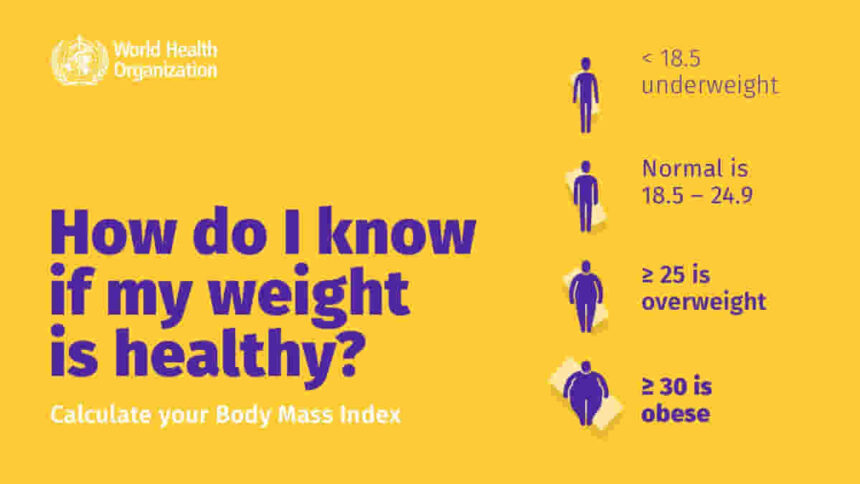
The Trust for American Health and the Robert Wood Johnson Foundation collaborated on the analysis, which shows that while adult obesity rates are still rising, they are increasing at a slower rate. Overall, it is projected that obesity-related medical expenses range from $147 to 210 billion each year!
The annual State of Obesity study offers an important perspective for those of us ensconced in the coaching and training industry: More than one-third of American people are obese, despite debates within the sports nutrition community about the ideal macronutrient ratios for endurance performance, whether athletes should drink sports drinks or just water, and whether fat or carbohydrate is a better fuel for performance.
The Areas Where We Excel
There are some positive aspects worth highlighting despite the State of Obesity report’s abundance of negative news.
- In 45 states, adult obesity rates were unchanged from the previous year, while Kansas saw a decrease.
- Since 2003–2004, the obesity rate for kids under 5 has decreased from 14% to 10%.
- Daily soda consumption among high school students decreased from 27% in 2013 to 20.4% in 2015.
- Between 2015 and 2016, adult inactivity rates decreased in 32 states. Although there is a slight increase in activity, 45% of Americans do not engage in enough physical activity to reap the benefits for their health.
Areas When we are Falling Short

It’s challenging to identify just a few areas where we are making progress in the fight against obesity since there are so many of them.
- According to data from the National Health and Nutrition Examination Survey conducted in 2013–2014, almost 38% of adults in America are obese.
- The obesity rates in West Virginia, Mississippi, Alabama, Louisiana, and Arkansas are all over 35%.
- Adult obesity rates are highest in West Virginia, at 37.7%. Colorado scores “best” at 22.3%, although while having the lowest rate of inactivity (17.9%), it experienced the most percentage increase between 2015 and 2016.
- 25% of young adults who try to enlist in the military are rejected because of their weight or lack of fitness.
- In 2015, only 27% of high school students in America engaged in 60 minutes or more of physical activity each day.
Why Athletes Need To Be Concerned About National Obesity Statistics
Despite the fact that I lack exact data, it is highly likely that the blog’s audience is significantly less obese than the national or state averages. What does it important to you, except feeling empathy for those who are, that you’re not obese? We are all, regrettably, affected by the social, economic, healthcare, and even national security effects of excessive obesity rates.

“Get more sports news, cricket news, and football updates, log on to sportsdigest.in. Follow us on Facebook or Twitter and Subscribe to our YouTube Channel.”