
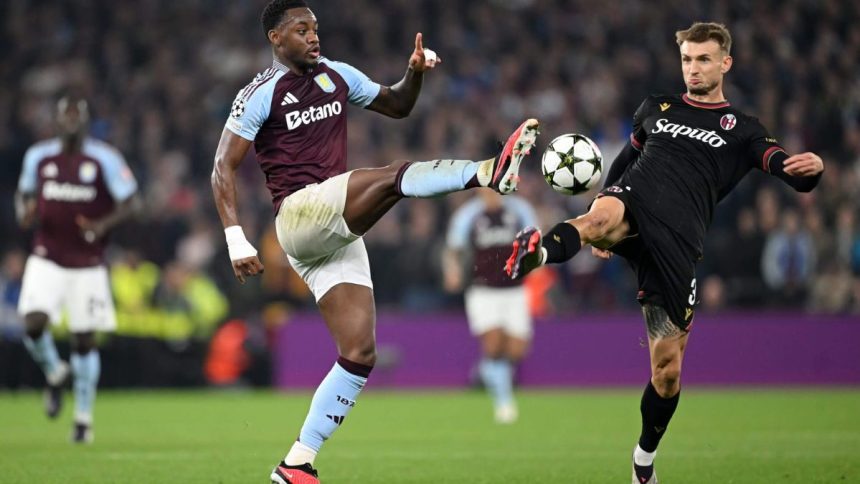
High-Press Football is no longer the dominant tactical identity it once was at the peak of early-21st-century European football. From the Premier League to La Liga and Serie A, its influence is evolving and in some cases receding as clubs recalibrate their approaches under intense schedules, tactical countermeasures, and changing risk-reward calculations.
The high-press tactic where teams aggressively swarm opponents high up the pitch to force turnovers and immediately transition to attack once seemed like the ultimate evolution of defensive strategy. Coaches built entire systems around it, believing that controlling space meant regaining possession in dangerous areas and converting that pressure into goals. But across Europe’s elite competitions, High-Press Football is increasingly being questioned, adapted, and, in several contexts, replaced by nuanced systems that balance pressing with tactical pragmatism.
The Origins and Appeal of High-Press Football
High-Press Football grew out of a tactical revolution in the late 20th century and was refined throughout the 2000s and 2010s. Pioneers like Arrigo Sacchi and later managers across Europe popularised coordinated defensive pressure high up the pitch, compressing space and forcing opponents into mistakes. Modern proponents such as Ralf Rangnick helped catalyse these ideas into what became known as Gegenpressing, a variant that turned losing possession into an immediate offensive opportunity through relentless pressure.
At its best, High-Press Football can disrupt opponents, shorten build-up play, and create goal-scoring chances by recovering the ball in the final third. In analytic terms, teams that press effectively often reduce opponents’ passing options and increase high turnovers, gaining possession deep in attacking territory.
The Physical and Tactical Costs of Constant Pressure
One of the key reasons High-Press Football is losing its edge is simply the physical toll it takes. Pressing intensely for 90 minutes demands supreme fitness, constant coordination, and unrelenting work rate from every player on the pitch. In expanded competitive calendars, with congested league fixtures, European ties, and international tournaments, managers are increasingly reluctant to push squads to exhaustion. High press systems require bursts of speed and collective movement that can rapidly drain energy and invite vulnerabilities when intensity dips.
Read More

High-Press Football also has a strategic downside. While it can win possession close to goal, it often leaves space in behind for opponents to exploit on counterattacks. Teams without impeccable coordination or depth in squad personnel can find themselves exposed when their pressing line breaks; risk becomes reality when one missed trigger opens a seam for direct play.
Direct Play and the Rise of Alternative Tactical Trends
Across Europe’s top leagues, we’re seeing a gradual shift toward styles that mitigate the downside of high pressure. Some coaches are favouring more compact mid-block systems, blending bursts of pressing intensity with deeper defensive coverage. Others are leaning into direct football, long passes, and counterattacking play as a way to bypass the press altogether. Recent tactical data from the Premier League shows a notable increase in long balls and lower overall pass counts, which reduces opportunities for opponents to press high effectively.
In La Liga and Serie A, positional play and structured possession are sometimes preferred, not for aesthetic reasons but to maintain control of the game without committing all players forward in high press sequences. Bayern Munich, Barcelona, and Atlético Madrid, for example, still deploy press triggers, they just mix them with deeper shape retention and selective activation rather than full-time high press. This strategic balance protects defensive shape while still applying pressure when beneficial.

Tactical Countermeasures and Press Resistance
Defending against High-Press Football has itself become a science. Teams have developed build-up strategies designed to evade pressure such as rapid counter-attacks, safe long passes, and tactical shape adjustments that exploit the spaces left by an aggressive press. As opponents learn to play over or around the press, its effectiveness naturally diminishes. When teams employ short passes into congested areas as decoys or use the goalkeeper and deep defenders more confidently, pressing triggers become less reliable and less rewarding.
This evolution is evident when you look at how non-elite teams adapt their defensive play. Rather than inviting a press, many sides now drop into structured mid-blocks, force opponents to play through narrow channels, and then strike quickly on the break. This pragmatism sometimes yields better results than committing to a full-time, wide-ranging press, especially against top press sides.
Key Coaches Rethinking Traditional High-Press Roles
Modern coaches are synthesizing High-Press Football with other tactical frameworks. Managers like Roberto De Zerbi, for instance, blend aggressive off-ball pressing with possession-based build-ups that emphasize control over pure intensity. This hybrid model recognizes that effective pressing doesn’t mean constant pressure; it means purposeful, situation-specific pressure integrated into holistic team play.
Similarly, in Germany’s Bundesliga, tactical evolution has emphasized both pressing and rapid transitional play, with teams shifting shapes and applying pressure in more layered, position-aware ways than just sprinting after the ball.
Why the Narrative Is Not Over
It’s important to note that High-Press Football has not vanished, it has evolved. Top teams still deploy high pressing selectively, and when executed well, it remains one of the more potent methods to win possession and create goals. What has changed is how it’s applied: fewer full-time, burnout-inducing press cycles; more situational triggers; and greater emphasis on tactical flexibility that combines pressing with structural balance.
The reason High-Press Football is losing some of its previous prominence is not because it is ineffective, it’s because modern football has gotten smarter at countering it, and because the cost-benefit equation has shifted in an era defined by fixture overload and data-driven tactical variation.
Read More

Also Read: ISL 2025–26: Where To Watch For Free, Live Streatimg Guide