A woman in F1 has always been a rare sight. Formula 1 is the pinnacle of motorsport and is known for its speed and glamour; however, it remains one of the most male-dominated sports in the world.
Despite a growing female fanbase and more women working behind the scenes, the sight of a woman in F1 is almost unheard of. So why is it so? Let’s find out.
Has There Ever Been A Woman In F1?
Since the inception of the Formula 1 World Championship in 1950, only five women have entered a Grand Prix, and only two have started a race. Maria Teresa de Filippis broke the gender barrier in 1958, becoming the first ever woman in F1 race. She started three Grand Prix and achieved a best finish of 10th position at the Belgian Grand Prix
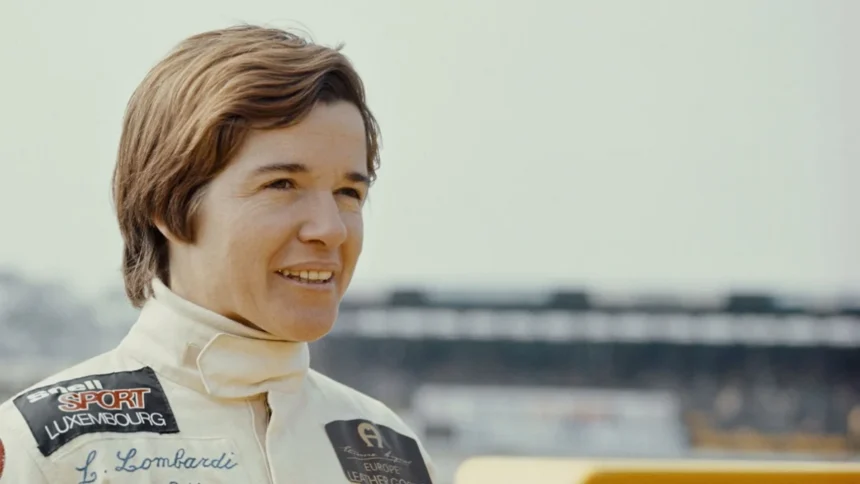
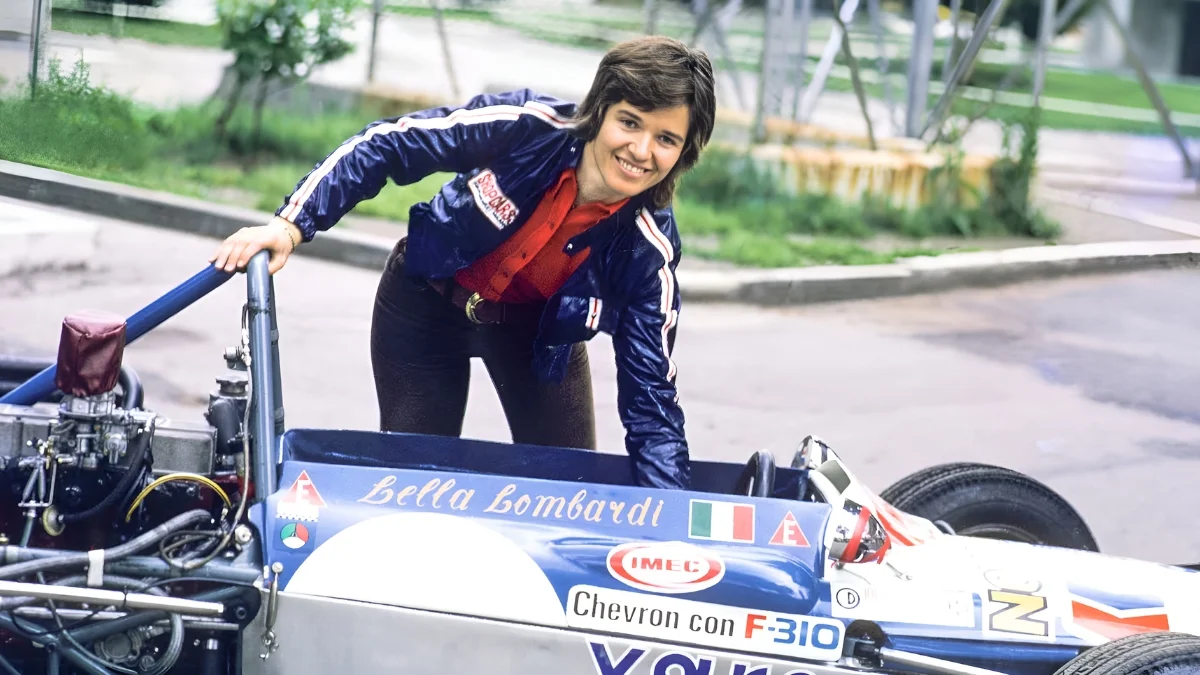
Lella Lombardi followed in her footsteps and entered the F1 scene in the 1970s, making 12 races start and scoring half a point at the 1975 Spanish Grand Prix, becoming the only woman in F1 to score a point.
Other entrants like Divina Galica, Desire Wilson, and Giovanna Amati also attempted to qualify for races but faced various challenges, often related to a lack of support.

When Was The Last Time A Woman In F1 Started A Race?
Giovanna Amati was the last woman in F1 to enter a race in 1992. She failed to make it to the grid, mostly due to the car’s lack of pace. Since then, no woman has entered a Grand Prix, and it has been nearly 59 years since a woman in F1, which was Lella Lombardi, in 1976.
Why Isn’t A Woman in F1 Common?
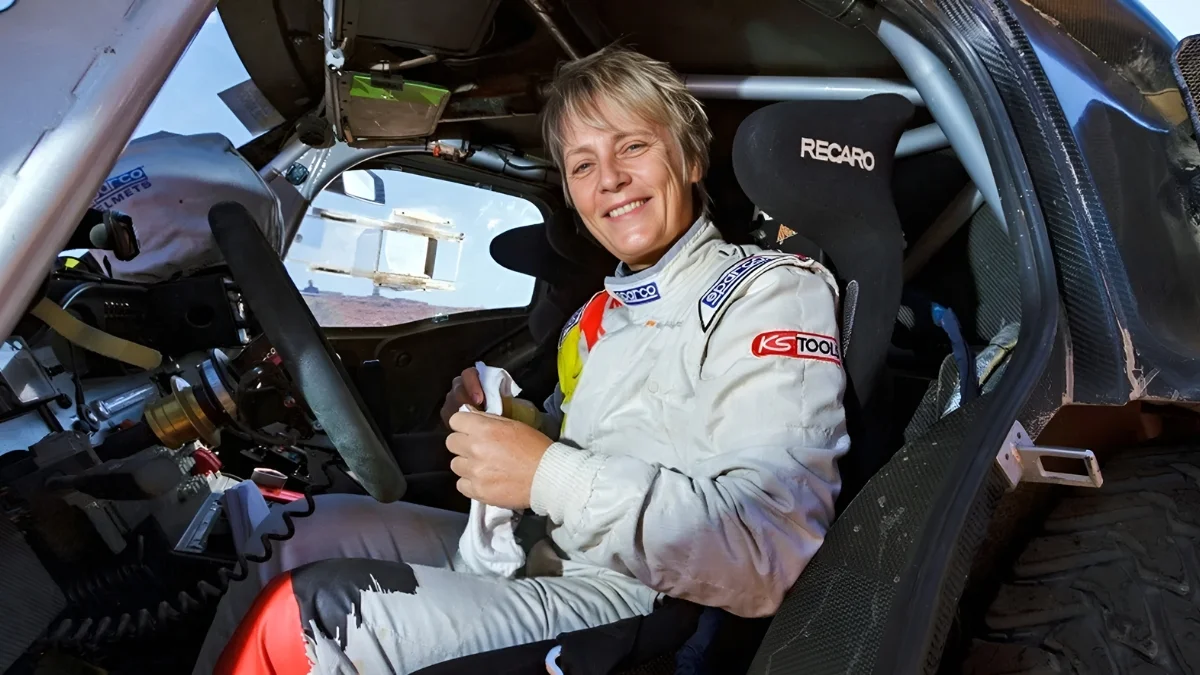
The scarcity of woman in F1 grid is not due to a lack of interest or talent. Instead, several barriers have contributed to this large gender gap.
Motorsports, especially F1, began at a young age with Karting in childhood, progressing through junior single-seater series. Historically, very few girls enter Karting, as compared to boys, often due to stereotypes and a lack of role models.

Financial backing is also crucial in F1, and female drivers have often struggled to attract sponsors compared to their male counterparts.
F1 cars are also physically challenging, and even though modern training and technology have been neutralised to reduce the gender gap, a woman’s physical sustainability is often seen as a problem.
Future Of Women In F1?
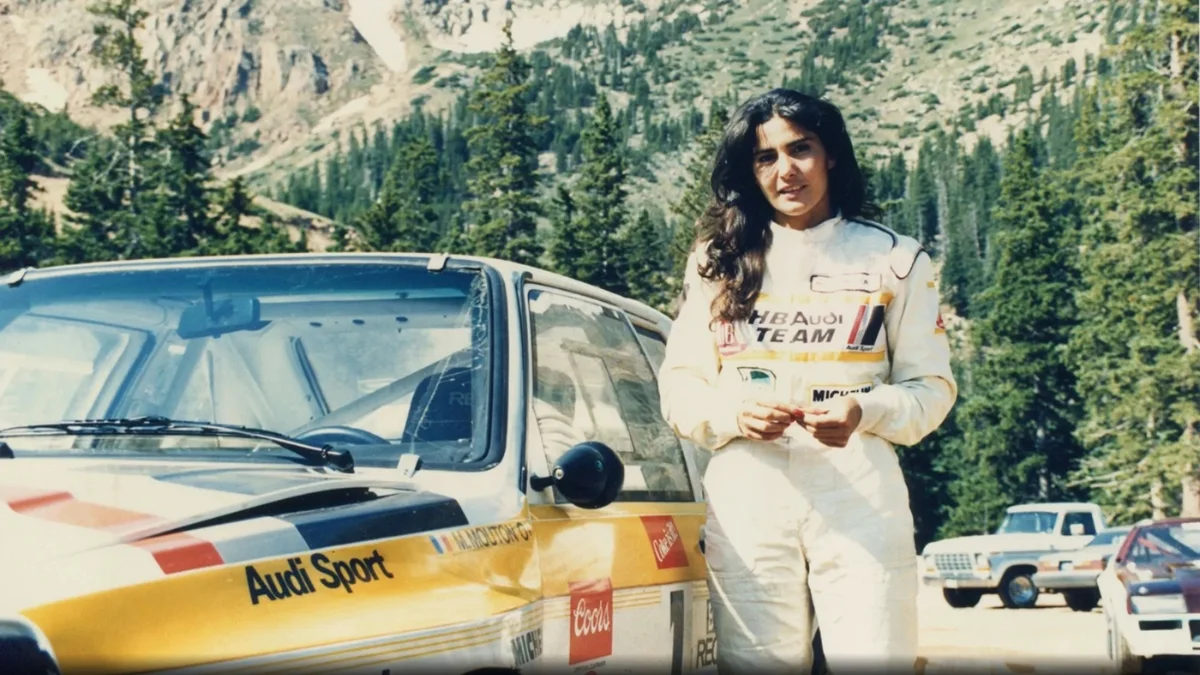
Motorsports have always been a male-dominated sport, leading to fewer female mentors and decision makers who could potentially support female drivers. The absence of woman in F1 has persisted for decades, and the future is also not very clear.
There are signs that the landscape has begun to shift, with initiatives like the F1 Academy deciding to nurture young female talent. More women are also taking up roles as test and development drivers, engineers and team managers.
The popularity of F1 among women is also rising, with women now making up around 40% of the total fanbase. While no woman has yet secured a full-time F1 race seat in recent decades, it might be possible in upcoming decades with all the efforts and initiatives to promote a woman in F1.
Also Read: Will Max Verstappen’s Long-Standing Record Finally Break?