
When Formula E staged its third-ever race in Punta del Este, Uruguay, in December 2014, it was still finding its feet. The paddock was made up of temporary garages, the cars were relatively slow, and the organisation lacked the polish associated with top-tier motorsport. Among those who came to take a look was Helmut Marko, then the influential motorsport advisor to Red Bull.
Marko’s visit was brief and, by most accounts, not especially encouraging. Red Bull, at that time, was deeply invested in rebuilding its dominance in Formula 1, with a new generation of talent, including a young Max Verstappen, coming through its ranks. Formula E, in its infancy, did not appear to offer the same competitive prestige, technical challenge or commercial upside.
More than a decade later, Formula E has matured into a credible world championship with major manufacturers, advanced technology and increasingly competitive racing. Yet Red Bull has never officially entered the series.
So, if you want to know the answer to ‘why’, let’s look at some of the major reasons.
1. Formula E’s Early Image Problem
At first, Formula E had an image problem for several reasons. Its cars (as opposed to most other junior class single-seaters) were slower than those in many junior single-seater categories, and the drivers needed to change cars at mid-race to accommodate the limited range of the batteries. The brand image of Red Bull, as a company, is built around speed, spectacle, and technical excellence, and therefore did not align with the Formula E championship’s objectives at its inception.

Since Red Bull entered into any of their motorsports programs, performance has always been the primary focus of the brand, and in 2015, during the time of the new hybrid engine specification in Formula 1, Red Bull had one clear focus – to regain their competitive edge in F1. So putting any of the company’s resources into a “new” and, as of yet, unproven type of electric series would have diluted their focus on that objective.
2. Red Bull’s Commitment to Formula 1 Supremacy
Red Bull’s presence in the motorsport world has always been synonymous with Formula 1, and it is evident that Red Bull’s success during the Sebastien Vettel years and most recently with Max Verstappen made it very clear to all involved that F1 is the centrepiece of Red Bull’s commitment to motorsport.
When Formula E launched in 2014, Red Bull was still dealing with the introduction of the new turbo-hybrid regulations into Formula 1, while Red Bull was developing Max Verstappen through the Red Bull driver development programme, a programme that has helped create the future success of Red Bull for the next decade.
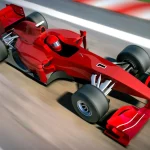
Due to the high financial and technical demands of Formula 1, even before the cost cap was introduced, the addition of a second factory-based racing project in the form of Formula E would have been a challenge for Red Bull.
3. Technical Philosophy and Manufacturer Alignment
The Formula E Championship is primarily based on manufacturers’ involvement in it for success by developing the best powertrains and working closely alongside the auto manufacturers.
On the other hand, Red Bull historically has been a Constructor of cars rather than a Manufacturer of Cars and the way they used to have Engine Partnerships (with Renault or Honda) was through a partnership/collaboration rather than manufacturing the engines themselves.
Recently, they have created Red Bull Powertrains and are partnering with FORD for the F1 2026 Regulations.
When Honda was instrumental in helping Red Bull achieve their last Championship, they were not interested in Formula E, and Ford does not have a Programme in Formula E. With no Natural Automotive Partner to enter into the Series, Red Bull has not had a Technical path to enter into Formula E.
4. Brand Positioning and Audience Strategy
While Red Bull sponsors various sporting endeavours for the sole purpose of placing their brand throughout the world, they do so as a method of measurement. Red Bull identifies and supports events that will provide high visibility for their brand; they find brands that will permit them to create an image of their brand as associated with the sporting event in question.

In the early days of Formula E, it lacked the media attention and “buzz” that F1 does. The series had some well-known support from people like Jean Todt (ex-FIA President), but they were still creating their identity in the world of motorsport.
Many years later, Formula E continues to develop its image as a green racing series and has added urban races to its schedule.
For much of its existence, however, Formula E and Formula 1 have operated in separate worlds commercially. Meaning, because Red Bull has two very successful Formula 1 teams that provide them with ample marketing opportunities and many other extreme sports ventures, it was doubtful whether it would have been worth the investment to own a Formula E team vs. owning more F1 teams and extreme sports teams.
5. Financial Constraints and the Cost Cap Era
The introduction of the Formula 1 cost cap has reshaped how teams allocate resources. While it has created greater financial discipline within F1, it has also limited the ability of teams to divert technical staff and infrastructure into parallel projects.
Although F1 teams have found creative ways to expand into areas such as technology services and advanced engineering, launching or acquiring a Formula E programme would require careful structural separation. In the current regulatory environment, such expansion is more complicated than it might once have been.
So, Could That Change?
Formula E is entering a new phase. The forthcoming Gen4 car is expected to exceed 200 mph in race conditions and deliver significantly faster lap times. The technology gap between Formula 1 and Formula E is narrowing, particularly in areas such as energy recovery and electric power management.
For Formula 1 teams, electric expertise is becoming increasingly relevant. Engineers have already moved between the two series, and several F1 drivers have participated in simulator or development work connected to Formula E.
For Red Bull, a technical partnership, rather than a full factory entry, would be the most logical first step if it chose to engage. Such a move would allow knowledge-sharing without compromising its core F1 commitments.
Red Bull’s decision to stay away from Formula E was shaped by timing, strategic focus and brand alignment.
Also Read: MotoGP Thailand Grand Prix 2026 Brings Speed, Stars, and Big Moments