
Zonal vs Man-Marking: Which Defensive System Works Better in Football?
Football tactics have evolved dramatically over the years, and one of the most debated topics in defensive strategy remains the choice between zonal marking and man-marking. Coaches across the world adapt one or a mix of both systems to maintain balance and structure at the back.
Both approaches have their unique advantages and challenges. Understanding how they function helps explain why some teams defend compactly as a unit while others rely on individual duels. Let’s break down both systems to see which one truly works better.
What Is Man-Marking in Football?
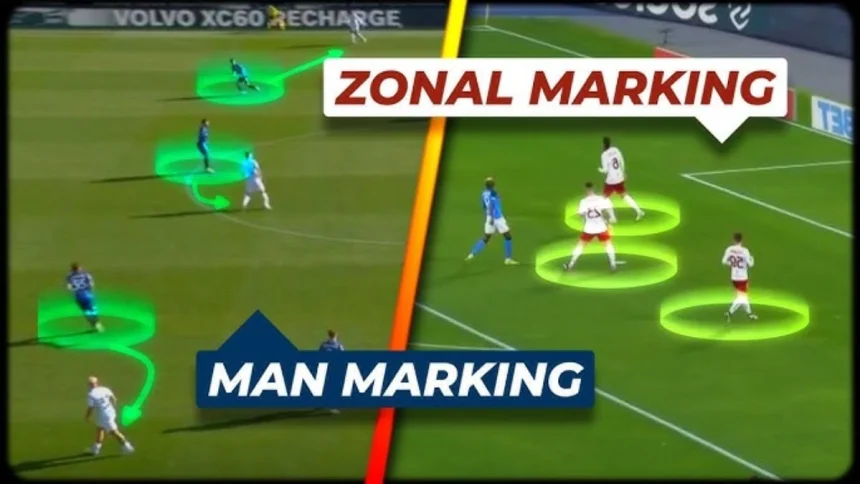
Man-marking is one of the oldest defensive systems in football. In this setup, each defender is assigned a specific opponent to mark throughout the match. The focus is on shadowing that player’s movements, preventing them from receiving the ball or finding space.

The system requires discipline, focus, and exceptional one-on-one defending skills. Clubs like AC Milan and Italy’s national team during the 1990s often relied on strict man-marking to maintain defensive solidity. This method thrives when defenders can anticipate runs and stay tight to their opponent without losing concentration.
Advantages of Man-Marking
One of the biggest advantages of man-marking is control. Each defender knows their role precisely, minimizing confusion. It allows defenders to neutralize key opposition players, particularly playmakers and strikers.
Read More

Man-marking also makes it difficult for opponents to dominate possession in dangerous areas. Since defenders stay close, it reduces the time and space attackers have to make decisions.
Weaknesses of Man-Marking
However, man-marking has its flaws. When attackers drag defenders out of position, it can create large gaps in the defensive line. This opens space for through balls and late runners. Additionally, it requires immense stamina and concentration, as one slip can expose the defense.
Modern football’s fluidity makes pure man-marking difficult. With constant positional interchanges and quick transitions, defenders often get pulled away from their zones, breaking team shape.

What Is Zonal Marking in Football?
Zonal marking is a modern, team-oriented defensive approach. Instead of tracking specific opponents, defenders cover designated areas on the pitch. Each player is responsible for anyone entering their zone.

This system focuses on maintaining structure, compactness, and collective awareness. Clubs like Barcelona, Manchester City, and Napoli have mastered zonal defending, using positional discipline to cut off passing lanes rather than chasing individual players.
Advantages of Zonal Marking
Zonal marking allows teams to stay compact and organized, reducing open spaces. It’s highly effective against teams that use quick passes and movement, as defenders focus on positioning rather than chasing opponents.
This system also saves energy, as defenders don’t need to follow opponents across the entire pitch. It works best for teams that prioritize possession and structured defensive transitions.
Weaknesses of Zonal Marking
The biggest challenge of zonal marking is responsibility during dynamic situations like set pieces. Defenders must decide quickly when to engage an attacker entering their area. Poor communication or delayed reactions can lead to goals.
Zonal marking also requires tactical intelligence and constant awareness. Without proper synchronization, gaps between zones can appear, making it easier for clever attackers to exploit space.
Read More

Which Defensive System Works Better?
The answer depends on team philosophy, player profiles, and the opponent’s style. Teams with physically strong defenders often succeed with man-marking, while sides that value organization and pressing prefer zonal defending.
In modern football, most elite teams use a hybrid model, zonal marking as the base, with man-marking in specific scenarios such as set pieces or pressing triggers. The combination provides flexibility and covers both positional and individual defensive needs.
There’s no single perfect system in football. Zonal marking brings structure and team balance, while man-marking offers control over key opposition players. The best teams blend both to adapt to different phases of play.
Ultimately, the success of any defensive strategy depends not only on tactics but also on communication, discipline, and understanding among defenders.
FAQs
Q1. What is the main difference between zonal and man-marking?
A. Zonal marking focuses on covering areas, while man-marking assigns defenders to specific players.
Q2. Which marking system do most modern teams use?
A. Most teams use a hybrid model combining both zonal and man-marking principles.
Q3. Is zonal marking better for defending set pieces?
A. Zonal marking provides structure, but many teams still prefer man-marking during corners and free-kicks for direct duels.
Q4. Why did football move away from strict man-marking?
A. The evolution of fluid attacking systems and player movement made pure man-marking less effective.
Q5. Can amateur teams use zonal marking effectively?
A. Yes, but it requires good communication and understanding among players to avoid confusion.
Also Read- Why Federico Valverde Needs A Break From Uruguay Duty: “Real” Reason Explained