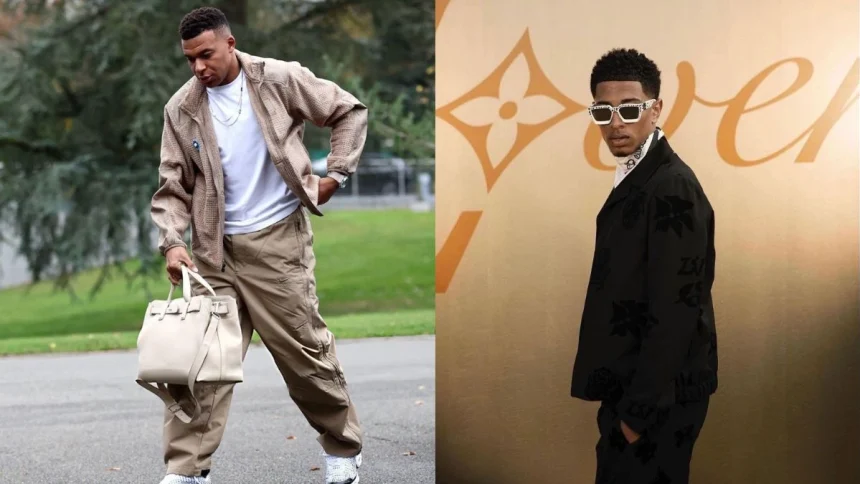
From the Pitch to the Runway: Why Luxury Fashion Is Obsessed with Football
If you follow football on social media, you’ve probably noticed something different. Between match highlights and training clips, your feed is now filled with players posing in designer suits, attending runway shows, or even starring in luxury brand campaigns.
Football is no longer just about goals, tactics, or trophies, it’s about style, culture, and global influence. The worlds of professional football and high-end fashion have officially collided, and this connection is changing how both industries operate.
But why is this happening now, and what does it mean for players, clubs, and brands? Let’s break it down.
The Rise of the “New Guard”
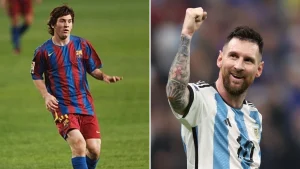
The era of Messi and Ronaldo, which defined football through competition and legacy, is giving way to a new kind of superstar, one who blends performance with personality.
Today’s footballers aren’t just athletes; they’re cultural icons. The likes of Jude Bellingham, Lamine Yamal, and Rafael Leão represent a generation that understands the power of image and influence just as much as skill.
Read More

Jude Bellingham and Louis Vuitton
No player captures this shift better than Jude Bellingham. The Real Madrid midfielder is not only one of football’s biggest rising stars but also one of Louis Vuitton’s key ambassadors.
He fronted the brand’s 2025 formalwear campaign and later became the face of the Spring/Summer 2026 Pre-Collection, mixing luxury tailoring with modern cool. His signature “Jude” pose in a Louis Vuitton suit went viral, proving that football style can be as iconic as football goals.
FC Barcelona x AMIRI
Fashion partnerships are no longer limited to individual players, clubs are joining the movement.

In 2025, FC Barcelona announced a multi-year deal with AMIRI, the American luxury fashion house, as their official formalwear partner. This partnership extends beyond just suits for travel days. It’s a co-branding collaboration that puts AMIRI at the heart of Barcelona’s global identity, merging sport, fashion, and lifestyle.
Players at Fashion Week
It’s now normal to see players sitting front row at Paris or Milan Fashion Week.
Stars like Marcus Thuram and Moise Kean are regulars in the fashion scene. Kean, in particular, made headlines for walking the runway for the brand KidSuper, proving that modern footballers are comfortable in both the locker room and the fashion studio.
Why Luxury Brands Love Football
So why are brands like Louis Vuitton, Gucci, Prada, and AMIRI suddenly so invested in football? The answer lies in two major factors: reach and relevance.
1. Global Reach Like No Other
No other group of celebrities has the worldwide influence of footballers.
A player like Kylian Mbappé reaches more than 120 million fans across social media, a figure that surpasses most Hollywood stars and musicians. Jude Bellingham, with over 35 million followers, has a similarly devoted audience.

For luxury brands, these athletes provide direct access to millions of engaged, global fans, many of whom belong to the next generation of consumers. One social media post can create more impact than an entire advertising campaign.
2. Connecting with a New Generation
Luxury brands have always targeted exclusivity. But football allows them to stay relevant with younger audiences, particularly young men, a demographic that traditional marketing often struggles to reach.
By associating with top players, brands instantly become more authentic and approachable. A teenager who watches Bellingham on the pitch is now also seeing him represent Louis Vuitton, turning luxury fashion into something aspirational yet relatable.
The Athlete as the “New Influencer”
This is not an entirely new phenomenon. David Beckham pioneered this trend two decades ago, showing that athletes could redefine personal branding through fashion, fragrance, and endorsements.
But social media has taken that model to the next level. Players no longer need magazines or television to build their image, they have direct influence over millions of followers every day.
Modern stars are more than just players; they are brand ambassadors, trendsetters, and entrepreneurs. Whether it’s Bellingham’s polished image, Leão’s streetwear-inspired style, or Yamal’s youthful flair, each player represents a new way for footballers to connect with culture.
Why It Works for Both Worlds
The football-fashion partnership is a two-way success story:
- For brands: It means visibility, influence, and access to the world’s most loyal fan bases.
- For players: It’s a chance to grow beyond sport, secure long-term endorsements, and build a personal identity that lasts after retirement.
These partnerships turn players into global icons who move effortlessly between two of the world’s most powerful industries.
As football continues to globalize and fashion becomes more inclusive, this relationship will only get stronger.
The Future of Football and Fashion
In 2026 and beyond, expect to see even more collaborations between luxury brands and football. National teams could partner with designers for official kits, clubs may launch limited-edition collections, and players could release their own fashion lines.
Football is no longer just a sport, it’s a cultural movement, and fashion is its most visible form of expression.
So, the next time you see your favorite player fronting a luxury campaign, remember: it’s not just about clothes. It’s about status, identity, and the new definition of global superstardom.
FAQs
Q1. Why are footballers working with luxury fashion brands now?
A. Because footballers have massive global influence, brands see them as the perfect partners to reach new audiences, especially younger fans.
Q2. Which footballers are leading the fashion movement?
A. Jude Bellingham, Rafael Leão, and Marcus Thuram are among the most visible players blending sport and style.
Q3. What is FC Barcelona’s deal with AMIRI about?
A. It’s a multi-year partnership making AMIRI the club’s official formalwear partner, blending luxury fashion with football identity.
Q4. How does fashion help footballers off the pitch?
A. It helps them build personal brands, earn endorsements, and prepare for careers beyond football.
Q5. Who started the link between football and fashion?
A. David Beckham was one of the first to merge both worlds successfully, setting the blueprint for today’s players.
Also Read- From Twitter To Serie A: How Felix Johnston Went From Chelsea Fan Analyst To Como Scout