


The Giro d’Italia isn’t just a test of who’s fastest or strongest. The way the route is designed each year dramatically influences which type of rider is likely to shine. From towering mountains to flat sprint days and lone battles against the clock, each section brings its own advantage and challenge. Whether you love high-altitude battles or high-speed finishes, the Giro route always has something tailored to different cycling specialities.
Climbers Rule the High Mountains
One of the most defining features of any Giro d’Italia edition is the mountain terrain. In the 2026 race, riders face nearly 50,000 metres of climbing across stages that include legendary passes like those in the Dolomites and central Apennines. Seven-summit finishes mean pure climbers have repeated chances to launch attacks, make up time, and put rivals under pressure on long, steep gradients that punish those less adept at climbing. The continuous uphill sections almost guarantee time gaps will open between the best climbers and everyone else.
These high mountain stages are where general classification contenders can create big differences, and teams often build their tactics around supporting a climber capable of sustained, high-altitude efforts. Riders who excel on steep gradients and long climbs tend to rise to the top here, distancing sprinters and puncheurs early in the race.
Time Trial Specialists Get Their Day
Not all Giro days are about climbing. A key weapon in a rider’s arsenal is the individual time trial. The 2026 route features a significant 40.2-kilometer flat time trial, where riders race against the clock in a pure test of power, pacing, and aerodynamics. Time trial specialists, often strong rouleurs, can use this stage to gain or defend precious seconds over their rivals.
This stage type helps balance the route, giving powerful riders who may not be the best climbers a chance to shine and influence the overall standings. Here, technique and consistent output matter more than punchy accelerations on slopes.
Giro d’Italia Sprinters Look for Flat Finishes
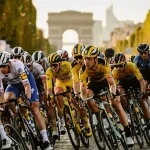
While the high mountains grab headlines, the Giro also includes plenty of flatter stages. These roads, particularly in earlier or transitional stages, are hotspots for sprinters and their teams to control the peloton and set up mass sprint finishes. Fast finishers and their lead-out trains aim to take advantage of stages with minimal climbing in the run-in to the line.
Classic sprint days offer big crowds, high speeds, and chaotic finales. Riders with explosive speed over the final few hundred metres often battle for stage victories, and these days are perfect for them to show their sprint craft without worrying about mountain fatigue.
Breakaway Artists Love Rolling Terrain
Not every stage fits neatly into sprinter or climber territory. Rolling stages with mixed gradients and mid-distance climbs are ideal for opportunists and breakaway specialists. These riders are not necessarily the fastest in a bunch sprint nor the best on high mountains, but they seize chances on intermediate climbs or rolling terrain to escape the peloton and take advantage of tactical moments.

This type of terrain creates unpredictable racing where a well-timed break can succeed, and riders outside the GC frame can earn memorable victories, keeping fans engaged and adding richness to the race narrative.
Each Giro d’Italia route is meticulously designed to test every dimension of a professional cyclist’s skill set. High-altitude mountain stages punish pure climbers with relentless gradients and thin air, while long individual and team time trials reward riders who can sustain power and precision against the clock. Flat and transitional stages give sprinters their moments of chaos and speed, often decided by flawless lead-outs and split-second timing, while unpredictable medium-mountain days open the door for breakaway specialists to steal glory.
Weather, altitude, and technical descents often add another layer of complexity, turning the race into a test of resilience as much as raw talent. This intricate interplay between route design and rider specialization is what makes the Giro d’Italia not just a race, but a living chess match on wheels, and a spectacle that continues to captivate fans year after year.
Also Read: Saudi Arabia To Host Asian Road Cycling Championships 2026