

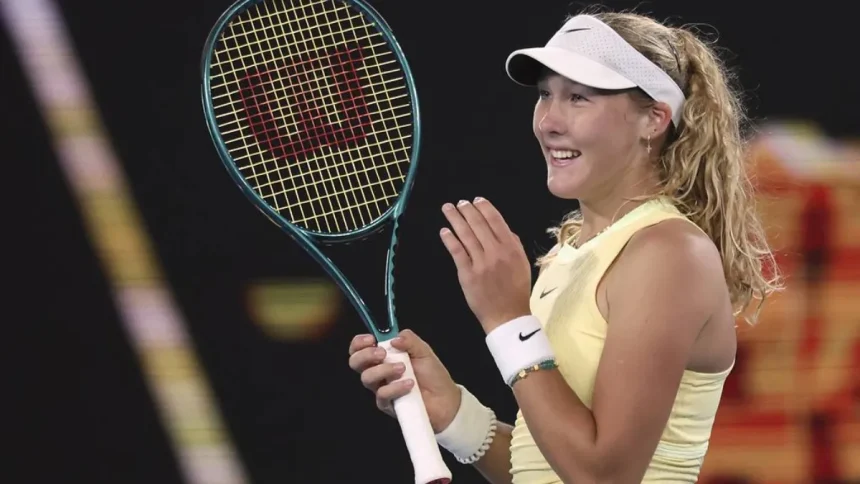
For fans of both football and racquet sport drama, the careers of Tennis Prodigies often read like mini-epics of brilliance and burnout. From overnight fame to early exits from elite competition, the story of precocious success in tennis is a cautionary tale that the football world, increasingly obsessed with early talent identification, would do well to study closely.
The Allure and Danger of Early Success
In tennis, Tennis Prodigies like Jennifer Capriati, who dominated junior circuits and turned professional in her teens, showed the world just how magnetizing early achievement can be, and how draining it can become when support structures are insufficient. Infant prodigies are often hailed as future legends, and the dream of rapid ascent can blind coaches and clubs to the toll it takes on physical health and emotional wellbeing.
Football’s youth academies have a similar infatuation with precocity. The focus on winning at under-13 or under-15 levels can overshadow long-term development, just as it has in tennis. The central lesson here: rapid elevation without robust scaffolding can turn promise into pressure and pressure into attrition.
Burnout: A Familiar Story in Individual Sport
The phrase Tennis Prodigies conjures images of extraordinary potential. But that same potential can lead to burnout if rest, variety, and holistic care are missing from development pathways. Early sports specialization, where a young athlete focuses solely on one discipline, is linked with higher injury rates, mental fatigue, and a higher likelihood of quitting before reaching true professional maturity.
Football academies can avoid this by integrating cross-training, planned rest periods, and diversified physical education. Rather than streamlining athletes into rigid molds from the age of ten, clubs could foster broader athletic foundations that protect both body and mind.
Read More

Mental Strength vs. Mental Strain
Many Tennis Prodigies possess remarkable self-discipline and emotional maturity even as children. Their ability to focus, to reset after a lost point, and to execute under duress gives them an edge on the court. Yet the psychological cost is significant. The narrative of players once burning bright then dimming, whether through loss of love for the sport, media pressure, or sheer fatigue, highlights an important element often overlooked in elite talent pathways.
Football talent programs increasingly use sports psychologists, but the lesson from tennis goes deeper: mental resilience isn’t just about handling competition, it’s about preserving joy, identity, and a sustainable relationship with sport beyond the scoreboard.
Holistic Development: More Than Athletic Output
In contrast to narrow performance metrics, many experts argue that Tennis Prodigies benefit from environments that encourage life balance, participation in different activities, and emotional nurturing. In junior tennis programs focused on long-term growth, time for hobbies, friendships, and unstructured play is seen as essential to cultivate well-rounded athletes.

Football must embrace this same holistic approach. When clubs demand 50-week commitment cycles or prioritize relentless training for young players, they risk robbing teens of social development and sporting diversity, two buffers against burnout and early drop-out. This parallels critiques in tennis communities around overloaded training structures that serve efficiency over wellbeing.
Managing Expectations in the Spotlight
One of the central pitfalls for Tennis Prodigies has been the weight of external expectations, ranking points, sponsorship deals, and media attention can amplify pressure beyond what a young athlete’s psyche can withstand. For footballers under 18, this dynamic is no different: early hype can become a burden, with dreams of stardom eclipsing the joy of playing.
Football clubs and federations should take cues from the tennis world by developing strategies to protect young athletes from relentless scrutiny. This means media training, realistic goal setting, and an environment that celebrates personal progress as much as competitive success.
Injury and Overuse: The Shared Risk
Another area where lessons are clear is the risk of injuries associated with early specialization and heavy training loads. Tennis players who focus year-round on a single sport are prone to overuse injuries, which can shorten careers before they truly begin.
Football’s equivalent might be the ‘burnout midfielder’ who struggles with stress fractures or chronic muscle issues due to calendar overload. By learning from tennis’s challenges, football can introduce periodization, structured phases of rest and performance, even at youth levels to ensure long careers rather than brief flashes of brilliance.
The Value of a Balanced Pathway
Ultimately, the stories of Tennis Prodigies who burned bright and faded early illuminate a vital truth: early talent must be nurtured wisely. Football’s storied talent systems have begun to shift toward this mindset, but more work remains. A balanced pathway that values long-term growth, mental health, physical harmony, and personal fulfillment doesn’t just protect young stars, it amplifies their chances of reaching their peak when it truly matters.