
Football today is not just a sport, it is a global industry powered by massive financial ecosystems. At the heart of this transformation are Football Clubs, which operate like modern businesses, balancing performance on the pitch with revenue generation off it. From billion-dollar TV deals to packed stadiums and global sponsorships, Football Clubs rely on multiple income streams to stay competitive and sustainable.
Broadcasting Power: The Biggest Money Machine for Football Clubs
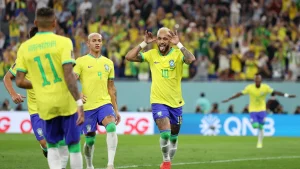
For elite Football Clubs, broadcasting revenue forms the financial backbone. Television and streaming rights are sold by leagues and competitions in multi-billion deals, with clubs receiving a share based on performance, popularity, and league structure.
The global appeal of competitions like domestic leagues and European tournaments ensures broadcasters are willing to pay premium prices. Live football remains one of the few content types that consistently attracts massive real-time audiences, making it invaluable in the media landscape.
For many top-tier Football Clubs, this revenue dictates transfer budgets, wage structures, and overall competitiveness. Participation in major tournaments significantly boosts earnings through prize money and additional media distributions, making qualification a financial priority as much as a sporting one.
Commercial Growth: How Football Clubs Maximize Sponsorships
Sponsorships represent one of the fastest-growing revenue streams for Football Clubs. These partnerships go far beyond shirt logos. Today, clubs monetize everything from stadium naming rights to digital content and training kits.
Read More

Global brands invest heavily in Football Clubs because of their massive international fanbases. A single shirt sponsorship deal can be worth tens or even hundreds of millions annually, while additional partnerships across digital platforms further expand revenue potential.
Modern Football Clubs function like media companies, creating commercial inventory across every touchpoint. Whether it is LED advertising boards, social media campaigns, or branded fan experiences, every interaction becomes an opportunity to generate income.
This commercial evolution has allowed top Football Clubs to diversify income and reduce reliance on matchday or performance-based earnings.

Matchday Revenue: The Emotional and Financial Core of Football Clubs
Despite the rise of global broadcasting and sponsorship deals, matchday revenue remains a vital pillar for Football Clubs. This includes ticket sales, season passes, hospitality packages, food and beverage sales, and in-stadium merchandise.
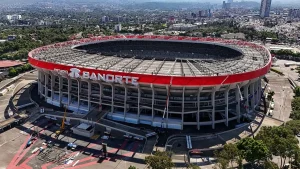
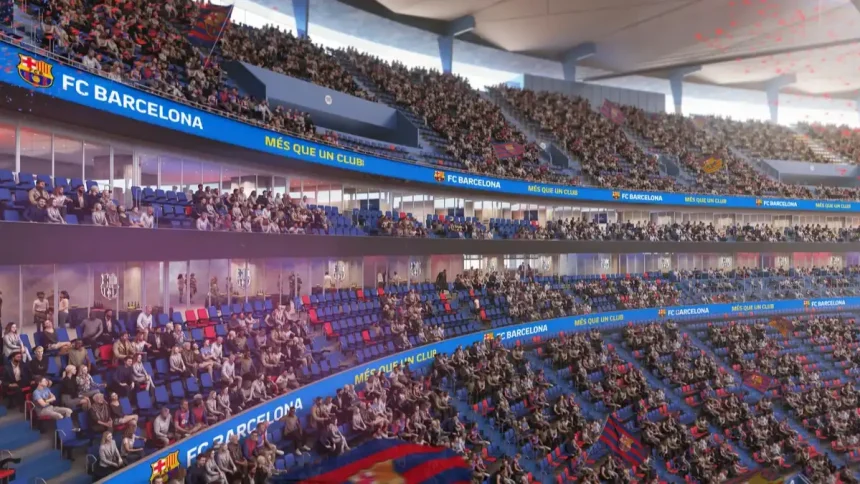
Clubs with larger and modern stadiums generate significantly higher matchday income. Premium seating, VIP boxes, and exclusive fan experiences have transformed stadiums into year-round revenue hubs rather than just match venues.
For many Football Clubs, especially outside the elite tier, matchday revenue still plays a critical role in financial stability. It also strengthens fan engagement, creating a direct connection between supporters and the club’s economic health.
However, this income stream can fluctuate due to performance, ticket pricing, and external factors like scheduling or economic conditions, making it less predictable compared to broadcasting deals.
The Business Model of Football Clubs: Blending Global and Local Revenue
The modern financial model of Football Clubs is built on diversification. Broadcasting delivers global reach, sponsorships unlock commercial growth, and matchday revenue anchors local fan engagement.
Top Football Clubs often generate the majority of their income from TV rights and commercial deals, while smaller clubs rely more heavily on ticket sales and local partnerships. This creates a financial gap across leagues, influencing competitiveness and long-term sustainability.

In today’s game, success off the pitch is as strategic as tactics on it. Clubs invest in infrastructure, branding, and digital expansion to maximize every revenue opportunity available in an increasingly competitive market.
Also Read: Players With Most FIFA World Cup Appearances But No Trophy