The line between traditional sports and eGaming is getting thinner by the year. What used to be seen as two completely different worlds now overlap in ways that are hard to ignore. Competitive gaming, once dismissed as a niche hobby, has evolved into a global industry with massive audiences, professional structures, and serious financial backing. At the same time, traditional sports are watching closely, adapting where they can and learning from a model that speaks directly to younger, digital-first fans.
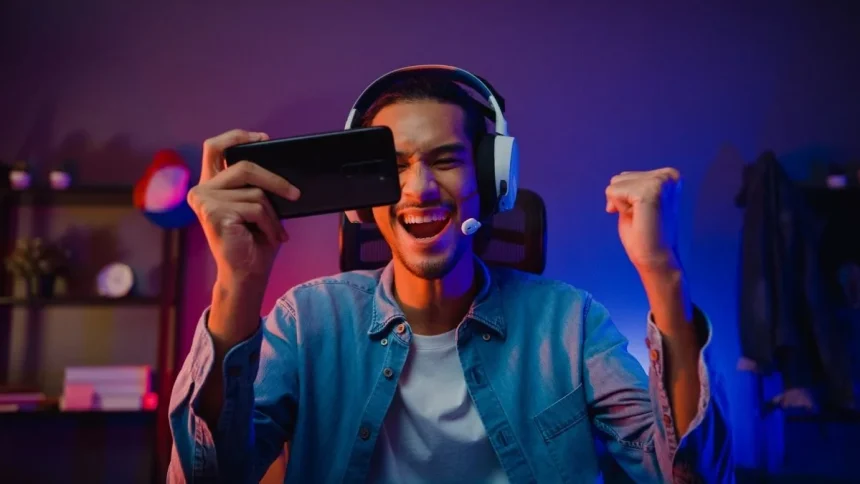
A big part of this shift comes down to how people consume sport today. eGaming thrives on accessibility and interaction. Fans are not just watching; they are chatting, reacting, and sometimes even influencing what happens in real time. Platforms like Twitch and YouTube have turned viewing into a shared experience rather than a passive one. Esports betting is now the norm among many betting operators and can also be found on a range of online casinos as well, further blurring the lines between gaming, sport, and entertainment ecosystems.
The numbers behind eGaming’s rise are hard to overlook. Major tournaments for titles like Dota 2 and League of Legends pull in millions of viewers, often rivalling traditional sporting events. What stands out even more is the age group. Younger audiences are increasingly drawn to digital competitions, where the pace is faster, the content is constant, and the connection feels more personal. Traditional sports still dominate overall revenue and legacy appeal, but the gap in engagement, especially among the 18 to 34 age demographic, is narrowing.
There is also a structural difference that makes eGaming appealing. Unlike traditional sports, which require physical ability, infrastructure, and often geographical access, eGaming is open to almost anyone with the right setup. This has created a truly global playing field. A player in one country can compete against someone thousands of miles away without leaving their room. That level of accessibility has helped build a diverse and highly engaged community that traditional sports sometimes struggle to replicate.
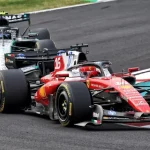
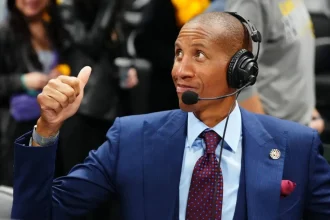
That said, traditional sports are far from being pushed aside. They still command massive sponsorship deals, global recognition, and deep-rooted fan loyalty. Leagues like the NFL and NBA continue to generate billions, and their athletes remain some of the most marketable figures in the world. However, instead of resisting change, many organisations are starting to embrace it. The launch of competitive gaming leagues tied to real sports franchises shows a clear effort to bridge the gap and stay relevant in a changing landscape.
Read More

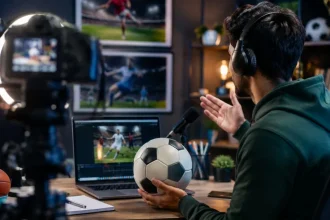
What is interesting is how both sides are starting to borrow from each other. eGaming is becoming more structured, with formal leagues, coaching systems, and even university programs dedicated to developing talent. On the other hand, traditional sports are experimenting with digital engagement, streaming innovations, and interactive fan experiences that mirror what gaming has done so well.
Ultimately, this is less about competition and more about convergence. Sports and eGaming are influencing each other in ways that are reshaping the wider entertainment industry. The future likely will not belong to one or the other, but to a hybrid model where physical and digital competition coexist, feeding off the same audiences and evolving together.
Also Read: FFMIC 2026 Grand Finals Day 1: Schedule, Teams And Venue