



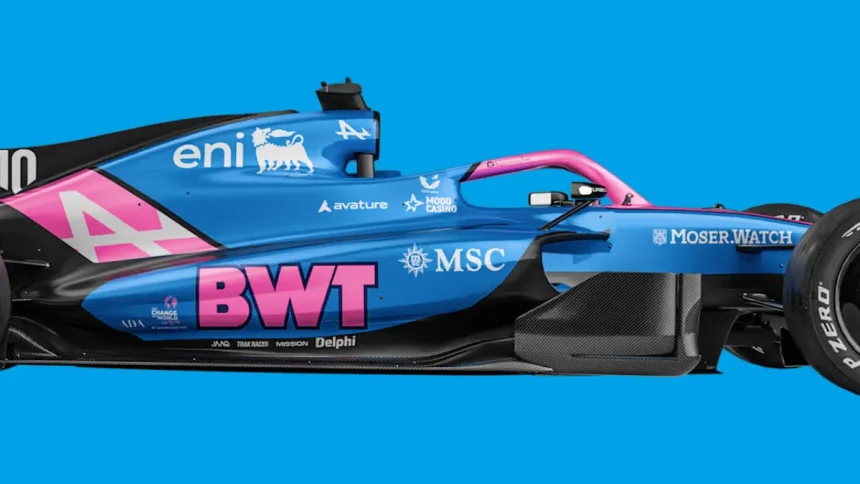
The midfield in Formula 1 has always been a brutal proving ground, but in 2026 it has evolved into a relentless chessboard of marginal gains and rapid adaptation. At the heart of this contest sits the Alpine F1 Team, a constructor redefining its identity amid regulation changes and fierce competition. The Alpine F1 Team is not just fighting for points, it is recalibrating its entire performance philosophy to stay relevant in a grid where the margins between P6 and P12 are often measured in tenths.
- Alpine F1 Team and the New Regulation Reset
- Precision Over Pace: How Alpine F1 Team Maximizes Race Weekends
- The Alpine F1 Team vs a Hyper-Competitive Midfield
- Driver Stability and Execution Under Pressure
- Development Race: Alpine F1 Team’s Upgrade Philosophy
- Tactical Opportunism in a Volatile Grid
- Why Alpine F1 Team Remains a Midfield Benchmark
Alpine F1 Team and the New Regulation Reset
The 2026 season introduced one of the most significant technical overhauls in modern Formula 1, forcing every team to rethink aerodynamics, power units, and energy deployment. The Alpine F1 Team embraced this reset by switching to a Mercedes customer power unit, abandoning its long-standing Renault engine program.
This decision has proven pivotal. The A526 chassis, built around the new regulations, has shown improved competitiveness compared to its predecessor, particularly in race trim. Early races highlighted that the Alpine F1 Team could translate qualifying pace into consistent points finishes, something that eluded them in previous campaigns.
In a midfield defined by volatility, establishing a reliable baseline has become Alpine’s first strategic win.
Precision Over Pace: How Alpine F1 Team Maximizes Race Weekends
The Alpine F1 Team’s approach in 2026 is less about outright speed and more about execution efficiency. In a tightly packed midfield, clean race weekends often outweigh raw performance.
Read More
Evidence of this shift is visible in early-season results. Double points finishes and top-10 consistency have allowed Alpine to stay competitive against direct rivals.
Their operational discipline stands out in three key areas:
- Qualifying optimization: Extracting maximum one-lap performance without over-compromising race setup
- Strategic flexibility: Adapting tire and energy deployment strategies mid-race
- Error minimization: Reducing penalties and race-day incidents
This structured execution model enables the Alpine F1 Team to capitalize when faster teams falter, a recurring theme in 2026 where reliability issues among frontrunners have opened unexpected points-scoring windows.
Read More
The Alpine F1 Team vs a Hyper-Competitive Midfield
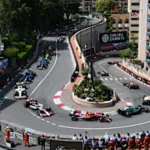
The 2026 midfield is arguably the most congested in recent memory. Alpine is locked in direct competition with teams like Haas, Audi, Racing Bulls, and even fluctuating front-runners dropping into the pack.
What complicates matters further is the unpredictability of performance swings. A minor upgrade or setup breakthrough can shift a team from P12 to P7 overnight.
For the Alpine F1 Team, this means:
- Every upgrade cycle must deliver measurable lap-time gains
- Strategic calls carry amplified consequences
- Driver consistency becomes a decisive factor
Despite not being the fastest midfield car, Alpine has positioned itself as one of the most balanced packages, capable of scoring regularly without dramatic peaks or collapses.
Driver Stability and Execution Under Pressure
Driver pairing stability has been another key lever for the Alpine F1 Team. With Pierre Gasly leading the charge and Franco Colapinto continuing his development, Alpine has leaned into continuity rather than experimentation.
Gasly’s experience has been crucial in extracting consistent results, often outperforming the car’s theoretical ceiling. Meanwhile, Colapinto’s gradual improvement provides the team with a secondary points-scoring option, which is vital in midfield battles where constructors’ standings hinge on both cars delivering.
Read More
This stability contrasts with Alpine’s recent past, where frequent driver changes disrupted momentum. The 2026 approach reflects a more measured, performance-driven structure.
Development Race: Alpine F1 Team’s Upgrade Philosophy
Midfield success in Formula 1 is rarely static. It is dictated by how effectively teams evolve their cars across the season. The Alpine F1 Team has adopted a phased upgrade strategy, focusing on incremental gains rather than high-risk overhauls.
Rival teams have already indicated aggressive development plans to close gaps, meaning Alpine cannot afford stagnation.
Key elements of Alpine’s development model include:
- Aerodynamic refinement aligned with active aero regulations
- Energy deployment efficiency under the new hybrid framework
- Weight distribution optimization for better tire management
This iterative approach ensures that the Alpine F1 Team remains competitive across varying track characteristics, a critical factor in sustaining midfield relevance.
Tactical Opportunism in a Volatile Grid
One of the defining traits of the Alpine F1 Team in 2026 is its ability to exploit race-day chaos. With reliability issues affecting even top teams, Alpine has positioned itself as a consistent beneficiary.
Points finishes have often come from:
- Capitalizing on retirements ahead
- Executing undercut or overcut strategies effectively
- Maintaining race pace in changing conditions
This opportunistic racing style is not accidental. It reflects a deeper understanding of midfield dynamics, where survival and precision often outweigh outright dominance.
Why Alpine F1 Team Remains a Midfield Benchmark
The Alpine F1 Team may not yet be a podium regular, but its 2026 campaign illustrates a team that understands the mechanics of midfield success. It has built a platform rooted in consistency, adaptability, and calculated risk.
In a season where the midfield is separated by fractions and fortunes change rapidly, Alpine’s structured approach keeps it firmly in contention. The Alpine F1 Team is no longer chasing sporadic brilliance but engineering sustained competitiveness, one race weekend at a time.
Also Read: FIA Unveils Major Rule Change Ahead of Miami Grand Prix