


Few clubs in world football spark as much curiosity as FC Barcelona. Beyond the trophies and iconic players, Barcelona stands apart because of how it is owned and governed. For many fans, the question “Who owns Barcelona?” opens the door to a fascinating model that blends tradition, democracy, and community identity in a way few elite clubs can replicate.
- What Makes Barcelona Different From Other Elite Clubs?
- Barcelona Socios: The True Owners of Barcelona
- How Barcelona Elects Its President
- Barcelona Finances and the Challenges of Fan Ownership
- “More Than a Club”: Barcelona’s Cultural Identity
- How Barcelona Compares to Other Fan-Owned Clubs
- The Future of Barcelona’s Ownership Model
What Makes Barcelona Different From Other Elite Clubs?
Unlike most modern football giants backed by billionaires or corporate groups, Barcelona operates under a fan-owned structure. The club is not privately held. Instead, it belongs to its members, known as “socios.” This makes Barcelona one of the largest supporter-owned institutions in global sport.
While clubs like Manchester City or Paris Saint-Germain are controlled by wealthy ownership groups, Barcelona follows a democratic system. Every major decision, from presidential elections to financial approvals, is influenced by its members. This model has been central to Barcelona’s identity for decades.
Barcelona Socios: The True Owners of Barcelona
At the heart of Barcelona’s structure are its socios. These are registered members who pay annual fees and gain voting rights within the club. With over 140,000 members globally, the socios collectively own Barcelona.
Each socio has the power to vote in presidential elections and key referendums. This means that Barcelona’s leadership is not appointed by investors but chosen by its fans. It is a rare example of participatory governance in modern football.
Read More

This system creates a strong emotional connection between the club and its supporters. Barcelona is not just a team people follow.
How Barcelona Elects Its President
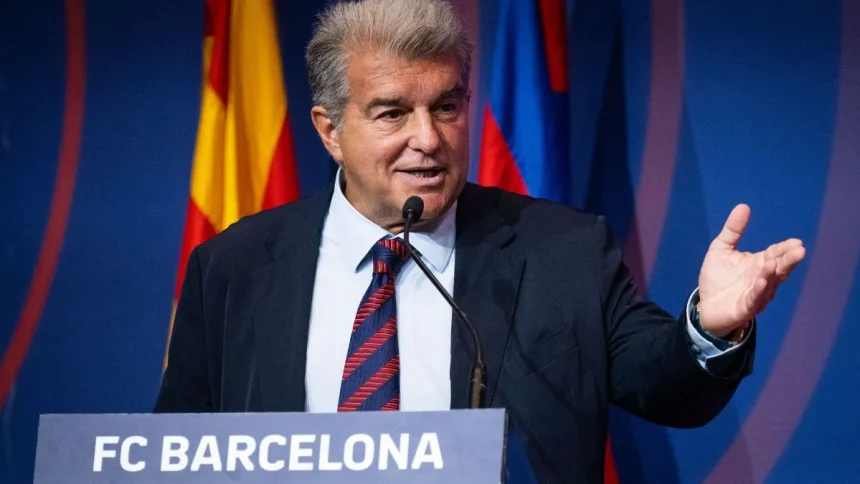
Barcelona’s president is not a figurehead chosen behind closed doors. Instead, the role is contested through elections, similar to a political process. Candidates present their vision, financial plans, and sporting strategies to the socios.
The current structure has seen leaders like Joan Laporta rise to power through member votes. Campaigns often revolve around key issues such as financial stability, transfer policies, and long-term sporting success.
This democratic approach ensures accountability. If a president fails to deliver, members can push for change in future elections. It also means that decisions at Barcelona often reflect fan sentiment rather than purely commercial interests.
Barcelona Finances and the Challenges of Fan Ownership
While the fan-owned model gives Barcelona its unique identity, it also presents challenges, especially in today’s financially driven football ecosystem. Without a single wealthy owner injecting capital, Barcelona relies heavily on revenue streams such as broadcasting, sponsorships, and matchday income.
In recent years, financial strain has tested this structure. The club has had to navigate debt, restructuring, and strategic asset sales to remain competitive. Unlike clubs backed by sovereign wealth or private investors, Barcelona must balance ambition with financial sustainability.
This has led to innovative approaches, including leveraging future revenues to fund current operations. While controversial, these decisions are still subject to oversight within the club’s governance framework.
“More Than a Club”: Barcelona’s Cultural Identity
Barcelona’s ownership model ties directly into its famous motto, “Més que un club,” meaning more than a club. The institution represents Catalan identity, community pride, and social values that extend beyond football.
Historically, Barcelona has been a symbol of regional culture in Catalonia. Its fan-owned structure reinforces this connection, ensuring that the club remains rooted in its community rather than external commercial control.

This cultural dimension differentiates Barcelona from many globalized football brands. It is not just about winning titles. It is about representing a collective identity shaped by its supporters.
How Barcelona Compares to Other Fan-Owned Clubs
Barcelona is not entirely alone in this model. Clubs like Real Madrid CF and Bayern Munich also operate with strong member influence, though their structures differ slightly.
Real Madrid follows a similar socio-based system, while Bayern Munich combines member ownership with corporate partnerships under Germany’s 50+1 rule. However, Barcelona remains one of the purest examples of large-scale fan ownership at the highest level of football.
This makes Barcelona a case study in how tradition can coexist with elite competition, even as financial pressures grow across the sport.
The Future of Barcelona’s Ownership Model
As football continues to evolve, Barcelona’s ownership structure faces increasing scrutiny. The rise of state-backed clubs and massive commercial investments has shifted the competitive landscape.
For Barcelona, maintaining its fan-owned identity while staying competitive is a delicate balancing act. The club must continue to innovate financially without compromising its democratic foundation.
Yet, this very challenge is what makes Barcelona unique. Its structure forces accountability, encourages transparency, and keeps the supporters at the center of decision-making.
In an era dominated by corporate ownership, Barcelona stands as a reminder that football can still belong to its fans.
Also Read: Lionel Messi X Mo Salah? Inter Miami Look To Sign The Egyptian This Summer