The global badminton community is facing is grave crisis and the epicenter has been identified as China.
China has produced some of the best badminton players in the world. More than 250 million individuals play badminton for recreation purpose. However, Chinese increasing love for pork have turned things around for shuttlers.
A dramatic swoon in pork prices unexpectedly intensified demand for meat, sidelining duck and goose production. Since goose and duck meat became less profitable, farmers shifted toward pork—a meat that in 2021 made up roughly 60% of the country’s nearly 100 million tonnes of annual meat consumption.
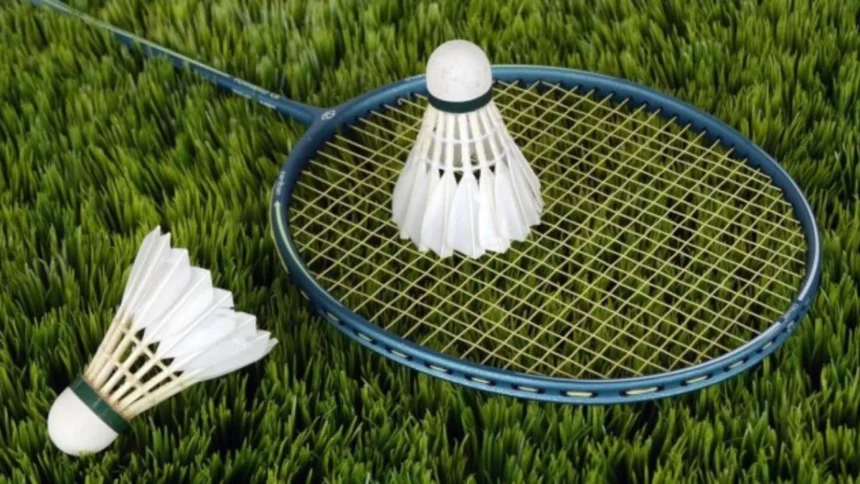
Goose and duck feathers are essential for feather shuttlecocks, notably the durable “blade feathers” from mid-wing sections. The Badminton World Federation mandates 16 such feathers per cork, typically sourced from 2–3 birds on the same wing side. The dip in poultry farms producing long-cycle breeds resulted in a 13% national drop in duck output (from 4.87 billion in 2019 to 4.22 billion in 2024) and a proportionate decline in goose numbers.
As a direct result, the wholesale price of blade feathers jumped by 50%, from ¥200 per jin (500 g) in 2023 to ¥300 in 2024. Shuttlecock manufacturers have passed these raw-material costs on, prompting several 20-40% price hikes within months.
Read More
Brands like Yonex are feeling the heat
Major brands like Yonex, Victor, and Double Happiness have hiked their retail prices of premier models by 20-40% in early 2025. Yonex’s AS‑05 model surged from under ¥100 in early 2023 to ¥275 per tube- almost doubling in price in less than two years.
One fine example of a country that has taken a good hot is France. In this European country, the average club buy per tube stands at €24-25, up from €13-14 a decade ago. It is a near 100% increase over the past ten years, with price adjustments now occurring every 3-5 months instead of yearly.
Franck Laurent, president of the French Badminton Association, told L’Equipe: “The clubs talk to me about it every day. We’re taking the full brunt of it, but we don’t have control over the prices.”
Read More

Dimitri Vaginet, head of Volant Bisontin club, added: “It’s colossal… boxes we paid €13‑14 now cost €24‑25 or more.”
In China, club owners are bracing for the financial burden. Li Taxi, operator of multiple Beijing training centres, said: “Each tube of mid‑range shuttlecocks costs ¥ 70 to 80 yuan … we spend 80 percent of our annual operating cost just on shuttles.”
Also Read: Malaysia’s Lee Zii Jia Ready To Shine At World Badminton Championships
Lack of alternative
Though there’s growing interest in synthetic‑feather or all‑nylon shuttles, quality hasn’t universally matched natural buzz, flight, or crisp feel. It was only recently that the BWF has recently approved hybrid designs, and supply remains unreliable across regions. Most tournaments still prefer natural feather.
What can be done
Some national federations are stockpiling supplies or pre-negotiating farmer contracts to lock in feather costs. Europe, South America, and select African farms with traditional slow-growth geese might help diversify supply.