



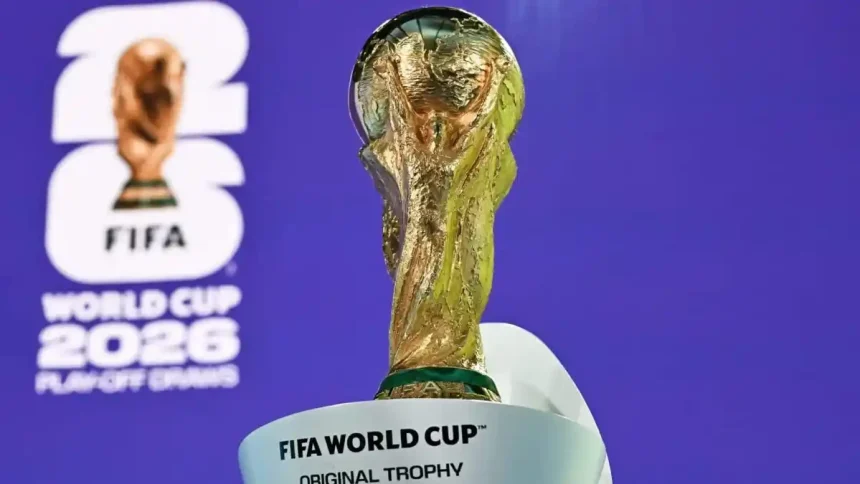
Change usually sounds good in theory. In football, it’s rarely that simple. The FIFA World Cup 2026 is about to get a major overhaul, with the number of teams jumping from 32 to 48. On paper, it feels like a celebration of how global the sport has become. In reality, it’s sparked a pretty split reaction.
The first thing that stands out is opportunity. More teams means more countries finally get a shot at the biggest stage. For nations that have spent decades falling short in qualifiers, this could be the moment everything changes. It also means new fans, new markets, and a wider spread of football stories, something the sport has always leaned into.
That said, not everyone is convinced this is a step forward. There’s a quiet concern that more doesn’t always mean better. When you stretch a tournament this far, the early rounds risk losing some of their bite. Part of what made the FIFA World Cup special was how little margin for error teams had. One bad game could end everything. With more teams and a longer format, that pressure might ease, and not in a good way.
Then there’s the question of quality. The gap between top-tier teams and emerging nations can be significant. While surprises are part of the charm, too many one-sided games could make the group stages feel drawn out rather than exciting. The balance between inclusivity and competitiveness is a tricky one, and this format pushes it further than ever before.
Does a longer FIFA World Cup hurt the players?
Players are another part of the conversation. The modern calendar is already packed, club football barely leaves room to breathe. Adding more matches at a FIFA World Cup only adds to that load. It’s not just about fatigue during the tournament, but how it affects players over an entire season.
Read More

Still, there’s a flip side that’s hard to ignore. More teams also means more chances for underdog stories, the kind that stick with fans long after the final. Think of the teams that almost made it in previous years. Now, they’re part of the picture. That unpredictability could end up being the biggest win from this change.
So does the 48-team format help or hurt the FIFA World Cup? Right now, it sits somewhere in between. It opens doors, but it also changes the feel of the competition. The real answer will only come once the tournament begins, when the noise fades and the football takes over.
Also Read: Will Arsenal Bottle The Premier League? Manchester City Defeat Leaves Title Wide Open