
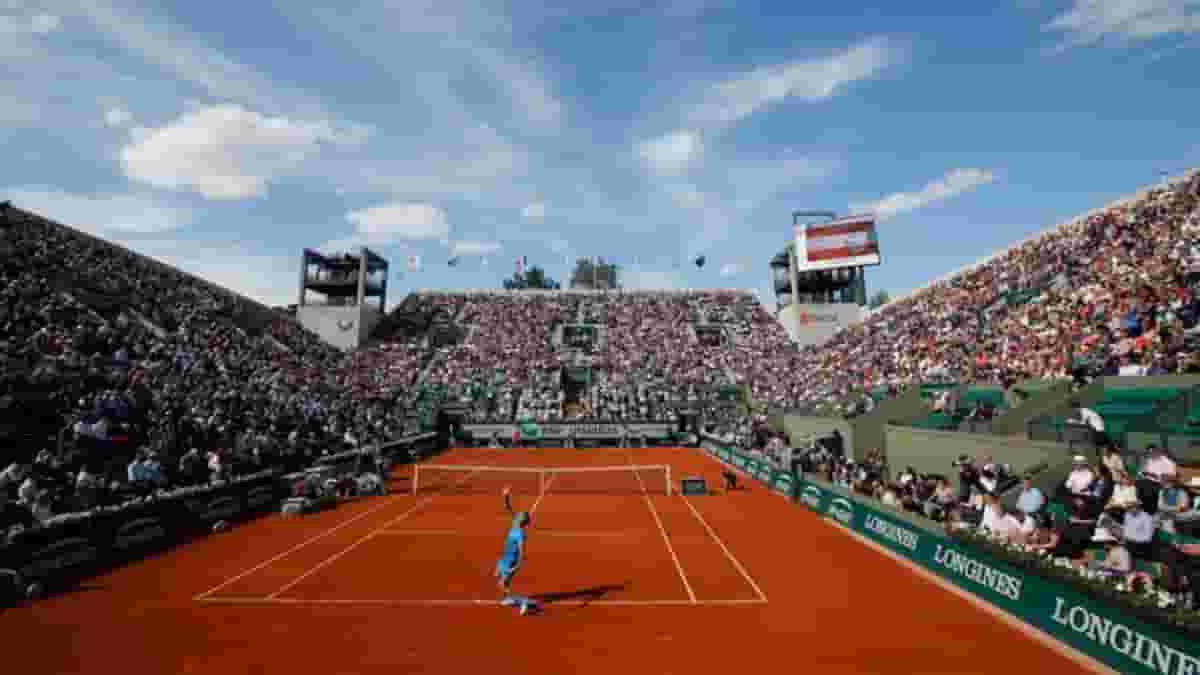
The French Open often also hailed as the “Roland Garros” in honor of the French aviation pioneer, fighter ace and the ultimate hero of World War I, Roland Garros has been the only tennis grand slam out of the four major tennis grand slam tournaments that is played on a red clay court also sometimes referred to as “ochre” since its beginning in 1978.
While the other tennis grand slams, including the US Open, the Australian Open and Wimbledon are played on grass and hard court, the French Open has been an absolute exception in the star-studded history of tennis. Since its inception in 1978, the French Open has witnessed numerous tennis stalwarts dominating their opponents on the iconic red clay court including Rafael Nadal, Carlos Alcaraz, Novak Djokovic and many others.
Well, as the tennis aficionados from all over the world gear up for the upcoming 129th edition of the prestigious French Open which will begin from May 25 and will last till June 8, let’s unveil the magic magic that rules the iconic “red-clay” courts of the French Open.
In this article we will take a closer look at why the world’s most prestigious and influential tennis grand slam tournament, the French Open, has always been played on a red clay court since its inception in 1978.
Why is the French Open Always Played on Clay Courts?
Read More

Is The “Red Clay” Court Really Made Up Of Clay At The French Open?
It might strike you off as a hard fact, but the iconic red clay courts of the Roland-Gaross aren’t actually made up of clay. The red-clay courts at the Roland-Gaross, which are often also referred to as “ochre”, are actually made up of a total of five layers, instead of just plain clay.
The first and foremost layer of the ochre at the Roland-Gaross is made up of crushed bricks which gives it the iconic reddish-orange colour, the second layer is made up of crushed white limestone which acts as a binding layer for the ground. Next, the third layer of the Roland-Gaross court is made up of crushed volcanic rocks which provides immense stability. Next, the fourth layer of the ground is made up of gravel stones, which prevents the court from getting waterclogged. Finally, the last layer of the Roland-Gaross court is made up of natural soil which acts as an anchor for the entire court.
The History Of French Open And Why It’s Always Played On Clay Courts
Often popularly hailed as “Roland-Gaross”, the French Open is one of the four Grand Slam tennis tournaments that takes place annually every year. Named after the French aviator, Roland Gaross, the French Open is currently the only tennis tournament that is held on a clay court.
Read More

The iconic 1928 Davis Cup was held at the brand new Roland Gaross Stadium on the European red clay court. Ever since, the iconic Roland Gaross Stadium and red clay court has become a mainstay for the Roland-Gaross tournaments. As mentioned earlier, regardless of what the name suggests, the red “clay” courts of the Roland-Gaross aren’t made up entirely of clay and consist of a total of five different layers made up of crushed bricks, white limestone, crushed volcanic rocks, gravel stones and natural soil.
As mentioned earlier, currently the Roland-Gaross is the only tennis grand slam tournament that is played on a red-clay court, unlike Wimbledon, which is played on grass courts and the US & Australian Open, which are played on the hard courts. Therefore, the red-clay courts have undoubtedly become more of a legacy for the Roland-Gaross tournaments.
Well, although the red-clay court sets apart the French Open from all the other tennis grand slam events, it also makes it even more challenging for the tennis stalwarts to dominate their opponents, as clay courts are generally considered to be the “slowest” among all existing tennis court surfaces, including grass and hard courts. As compared to the US Open, Wimbledon and the Australian Open, the tennis players have to thrive harder on the red-clay court of the French Open as the ball bounces much higher and loses speed.