
In an era when elite footballers sprint more, midfield engines cover greater distances, and cricketers endure longer T20 and Test schedules, Sports Science has become the linchpin in the battle against athlete burnout. From the Premier League to La Liga, the Indian Super League to the depths of Champions League intensity, and across global basketball arenas and cricket pitches, Sports Science is reshaping how clubs, coaches, and players manage training, recovery, and performance loads.
Sports Science: Beyond Strength to Smarter Workloads
The narrative of athlete preparation has shifted dramatically from sheer volume to intelligent distribution of effort. Traditional high-intensity training once focused primarily on physical thresholds without robust mechanisms to quantify the toll on the body and mind. Today, Sports Science integrates workload management principles, measuring volume, intensity, frequency, and recovery, to define an optimal training sweet spot that maximises adaptation while reducing stress and overtraining risks. Workload monitoring is now essential in elite programmes, helping teams prevent physical overload that can lead to performance decline and burnout.
Wearables and Data Analytics: Real-Time Burnout Signals
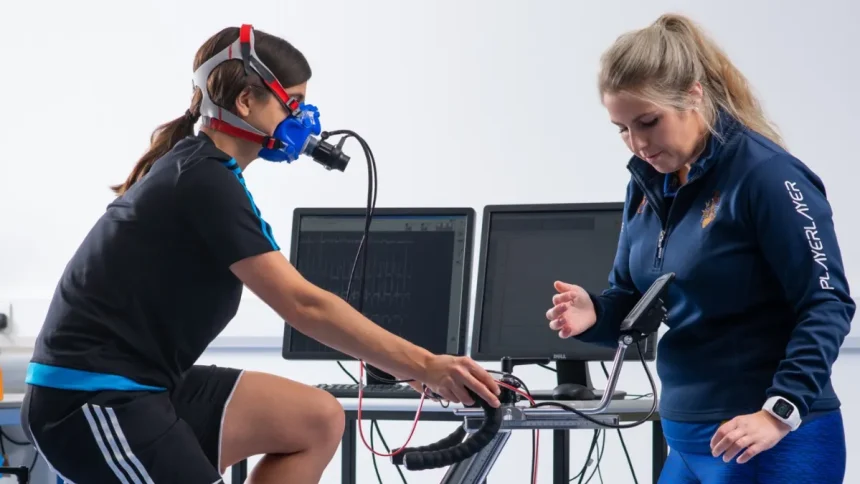
Advancements in wearable technology and data analytics have given Sports Science practitioners a live window into athlete stress responses. Heart rate variability, GPS metrics, and training load analytics collectively signal when an athlete is trending towards fatigue or nearing psychological exhaustion. These insights allow conditioning coaches to adjust sessions mid-cycle, reducing strain before burnout manifests. High-performance squads in global leagues now routinely deploy these tools to tailor daily training plans and read cues of cumulative stress, a step that was once relegated to post-season feedback.
Personalized Recovery Protocols: The New Frontier in Sports Science
The old “one-size-fits-all” recovery model is no longer acceptable in professional sport. Sports Science champions personalised recovery strategies that consider sleep, nutrition, hydration, active recovery, and psychological state. Individualised recovery blueprints help reduce accumulated fatigue, maintain neuromuscular balance, and safeguard against both physical and mental burnout. Tailored plans are now staples in elite football clubs, test cricket camps, and basketball franchises where days between high-intensity matches are scarce.
Psychological Monitoring: Integrating Mind and Body
Burnout is not just physiological; it is deeply psychological. Progressive research underscores that training demands and competition stress independently extend recovery needs, even when physical workload remains constant, a finding that puts Sports Science at the heart of mental-health-aligned performance planning. Formal competition stress can dramatically lengthen recovery time, leading teams to adopt psychological load monitoring as part of holistic athlete care.

Sports Science frameworks increasingly incorporate mental fatigue evaluations alongside physical data streams. Coaches and performance directors now work with sport psychologists to interpret signs of emotional exhaustion, neurocognitive strain, and motivational dips, indicators that can precede full-blown burnout.
Longitudinal Monitoring: Tracking Burnout Over Time
Today’s elite programmes use longitudinal monitoring to track burnout risk across the calendar year. Longitudinal approaches spotlight patterns that cross-sectional snapshots miss, revealing gradual accumulation of risk factors linked to competition intensity, travel fatigue, sleep disruption, and environmental stressors. Systematic tracking helps teams fix emerging issues before they escalate, preserving athlete well-being and sustaining performance across long seasons.
Sports Science in Mental Health Initiatives
Several top-tier leagues are now integrating Sports Science into comprehensive mental health strategies. Mental health frameworks emphasise prevention, education, and responsive support, adding structured wellbeing programmes to physiologically driven recovery systems. Embedding Sports Science insights with mental health resources helps athletes navigate high-stakes pressure without sacrificing long-term wellbeing.

Team Culture and Social Support: An Athletic Shield
While data and technology are indispensable, human factors remain critical buffers against burnout. Research indicates that athletes with strong social identification and effective support networks within their sport are better protected against burnout symptoms. Teams that foster connection, shared purpose, and supportive dynamics enhance the effectiveness of Sports Science interventions, reminding us that human engagement complements technical innovation in preventing burnout.
Evolving Tools: AI, Machine Learning and Predictive Insights
Emerging tools like AI and machine learning are pushing Sports Science into predictive realms. By analyzing complex datasets, from biomechanical signals to cognitive load markers, predictive models now forecast injury and burnout risk with increasing precision. These capabilities empower sports scientists to pre-emptively recommend training alterations, optimize recovery windows, and shape targeted interventions that protect athlete longevity in high-intensity leagues.
Also Read: Cristiano Ronaldo’s Standoff With Saudi Pro League Deepens After Second Straight Absence