Often hailed as one of the deadliest bowlers across all formats, Henry Olonga, who represented the Zimbabwe national cricket team from 1995 to 2003, witnessed one of the most dramatic and unfortunate endings to his professional cricket career shortly after the 2003 Cricket World Cup. Born and raised in Zimbabwe, Henry created history after he established himself as the first-ever black cricketer to play a test series in 1995 for Zimbabwe.
Throughout his star-studded professional cricketing career, Henry played a total of 30 test matches and 50 ODIs, picking up a phenomenal total of 68 and 58 wickets respectively. Owing to his ruthless bowling attack, Henry was often termed as a “nightmare” for numerous legendary batsmen, including India’s Sachin Tendulkar in the 1990s. Well, have you ever wondered about what exactly made the sensational bowler from Zimbabwe disappear overnight from the international cricket scene? Well, let’s find out.
In this article we will take a look at the shocking details that detailed Henry Olonga’s glorious international cricket career.
Henry Olonga’s Shocking Transformation: Once Sachin Tendulkar’s Rival, Now a Boat Cleaner
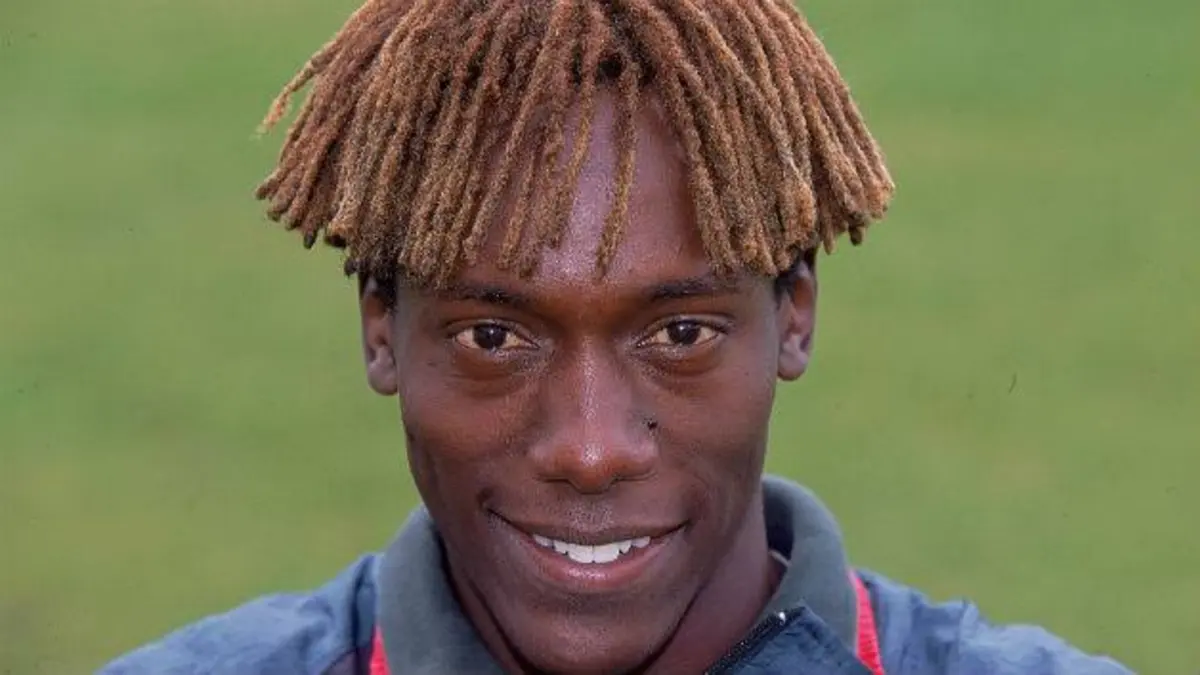
Who is Henry Olonga?
Well, for the hardcore fans of the Indian cricket team, especially those who grew up in the 1990s, Henry Olonga has undoubtedly been a household name. The annihilating right-arm fast bowler from Zimbabwe, Henry Olonga, was often hailed as one of the most ruthless and formidable bowlers of the 1990s era.
Read More

Henry made headlines for picking up Saeed Anwar’s wicket in his first delivery in the 1995 test match between Zimbabwe and Pakistan at the young age of eighteen. Also, Henry was part of Zimbabwe’s squad in the 1998 Coca-Cola Cup in Sharjah. Furthermore, Henry also played a total of three matches for Zimbabwe in the 1999 World Cup and picked up the three most crucial wickets for Sri Lanka.
The 2003 Black Armband Protest
The 2003 Cricket World Cup proved to be nothing short of a nightmare for the Zimbabwean international cricketer Henry Olonga, who brutally thrashed up all his cricketing dreams and aspirations. Well, in February 2003, during the Cricket World Cup, Olonga and his teammate Andy Flower wore black armbands in a match against Namibia to “mourn the death of democracy in Zimbabwe,” protesting against President Robert Mugabe’s regime. Shockingly, the Zimbabwean government perceived it as an act of “betrayal” and, as an immediate consequence, Henry was charged with treason.
The Zimbabwean spearhead bowler, Henry Olonga, even received numerous death threats and the Zimbabwean state media ultimately labelled him as a “traitor” who allegedly went against and betrayed his own country’s government. As a brutal consequence, Henry Olonga was immediately ruled out of the Zimbabwean national cricket team and also immediately dropped out from his domestic cricket club.
Read More
Henry Olonga’s Exile Period in Australia
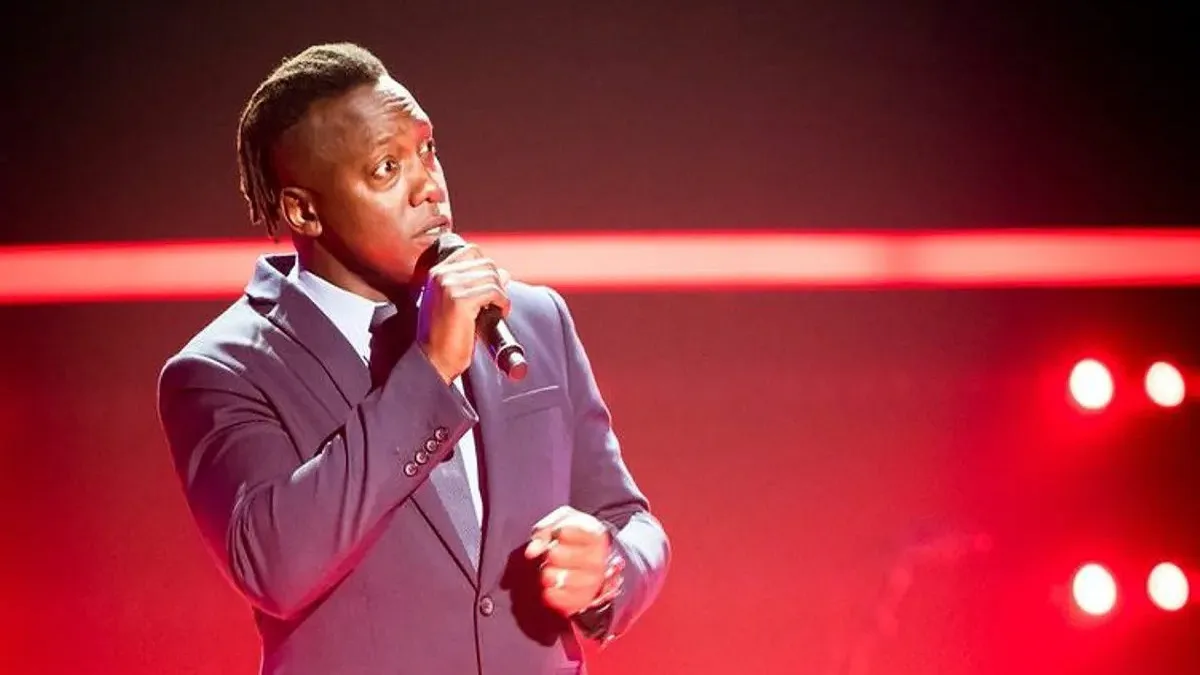
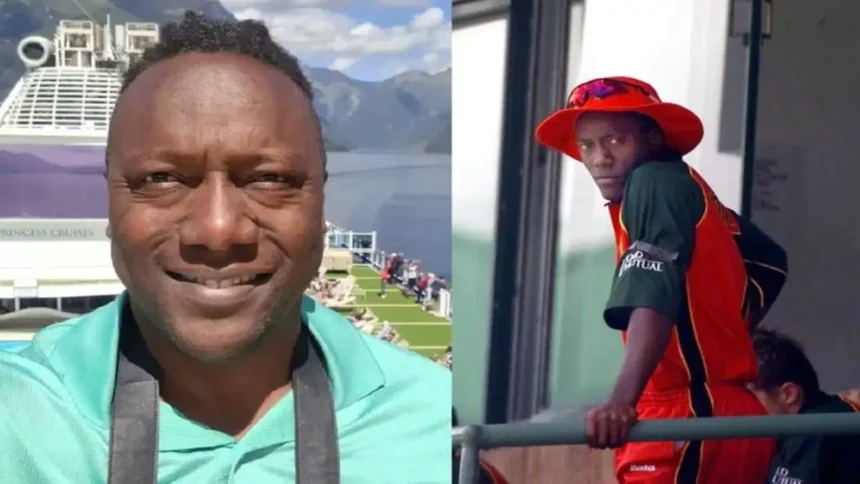
Following the 2003 Cricket World Cup and the infamous Black Armband Protest, Henry Olonga fled from Zimbabwe amidst the death threats and brutal criticism and eventually settled in Australia. Henry fearlessly fought the odds and soon started off with his music career in order to rebuild his life and make a living for himself. The classically trained singer, Henry, auditioned for “The Voice” in 2019 and even took up humble jobs like cleaning boats in order to earn a living.
In one of his recent interviews, Henry mentioned that during the initial days of his professional music career, he used to perform gigs on cruises in order to learn his daily life. As time passed by, Henry established himself as a successful musician and an inspiring motivational speaker. Additionally, over the years, Henry has also contributed as a commentator and mentor within Australian cricket circles.
Henry undoubtedly won over a million hearts from all over the world when he expressed gratitude for whatever happened in his personal life. In one of his recent interviews, Henry boldly said “I may have lost my career, my country, and my dreams… but I didn’t lose my soul.”