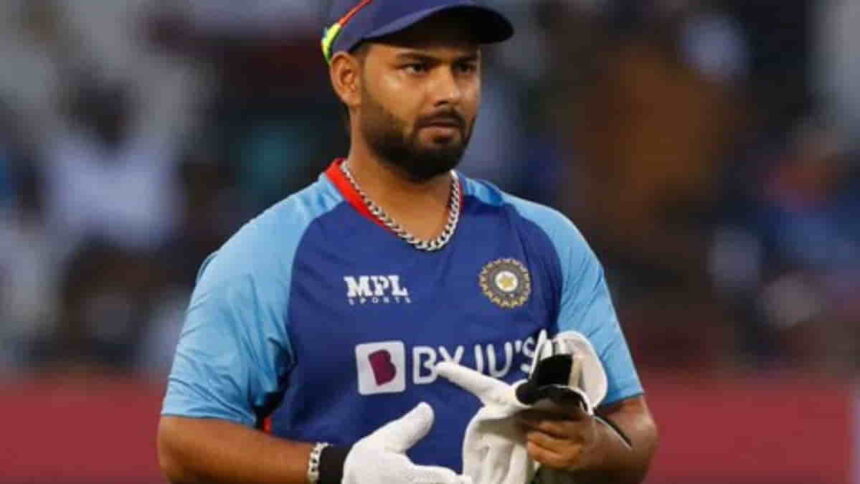
As Rishabh Pant continues his journey towards recovery from the injuries sustained in a car accident last year, it’s not just physiotherapy and rehabilitation that have been key factors in his progress. Nutrition, often underestimated, has played a pivotal role in his ongoing healing process.
Before the accident, Rishabh Pant was under the guidance of Shweta Shah, a renowned nutritionist and the founder of EatFit24/7, recommended to him by MS Dhoni. Earlier this year, Shweta re-entered the picture to address Rishabh’s issues through nutrition.
Rishabh faced difficulties with his diet after the accident, leaving him with little energy. He suffered from headaches, was unable to engage in physiotherapy, and experienced discomfort after consuming his favorite comfort foods, particularly chicken.
Shweta Shah, in an extensive conversation with IANS, detailed the challenges Rishabh faced and the nutritional strategies employed to aid his recovery. After undergoing surgery in January, Rishabh was prescribed heavy medication, resulting in ruptures in his stomach lining. Shweta likened the stomach lining to “fish-net pouches” that needed to be restored to a smooth state.
To address Rishabh’s issues, Shweta first focused on enhancing his gut health and activating digestive juices. She introduced a specially formulated ‘De-bloat by Eatfit 24/7’ powder, which played a significant role in Rishabh’s recovery. This powder aimed to activate his ayurvedic digestive fire, known as “jathar agni,” which was crucial for proper digestion and nutrient absorption.
Shweta introduced dietary changes gradually. She started Rishabh on a khichdi diet for the first 20 days, as khichdi is easy to digest and minimizes the risk of gas and bloating. This simple regime consisted of yellow and chilka dals with kolam rice and his preferred vegetables. To combat water retention caused by medication, Shweta incorporated juices made from celery, cucumber, mint, and coriander. Pineapple juice was used for inflammation, while pomegranate juice helped purify his blood.
Shweta emphasized the importance of avoiding certain spices, raw foods, and garam masala during the initial weeks. Non-vegetarian foods were reintroduced later, and Shweta created a balanced and nourishing diet plan to aid his recovery and energy levels. As Rishabh’s fitness improved, energy-rich foods were incorporated, including special “haemoglobin laddoos” made from seeds, nuts, coconut, dates, and more.
Rishabh’s meals were carefully planned to include whole grains, fresh fruits, and nutrient-dense options like chia seeds pudding, makhana, and roasted chana. Shweta also utilized gond katira, a natural gum with anti-inflammatory properties, to aid Rishabh’s recovery.
Apart from dietary adjustments, Rishabh’s lifestyle changes included managing stress and focusing on his gut health. He was also served a digestive tea made from cardamom, cumin, and black pepper in the mornings.
Rishabh’s dedication to following Shweta’s nutritional guidance, along with the efforts of his physiotherapist, trainer, and therapist, contributed to his relief as a potential second surgery was avoided.
Shweta continues to work with Rishabh on his recovery and overall health, including his lipid profile, fat loss, and inch loss. With a blend of traditional wisdom and modern nutritional insights, Rishabh’s journey showcases the significant impact that proper nutrition can have on an athlete’s rehabilitation and well-being.
As Rishabh aims to make a triumphant return to the cricket field, his story serves as a testament to the power of personalized and home-cooked nutrition in aiding recovery and enhancing performance.
-IANS