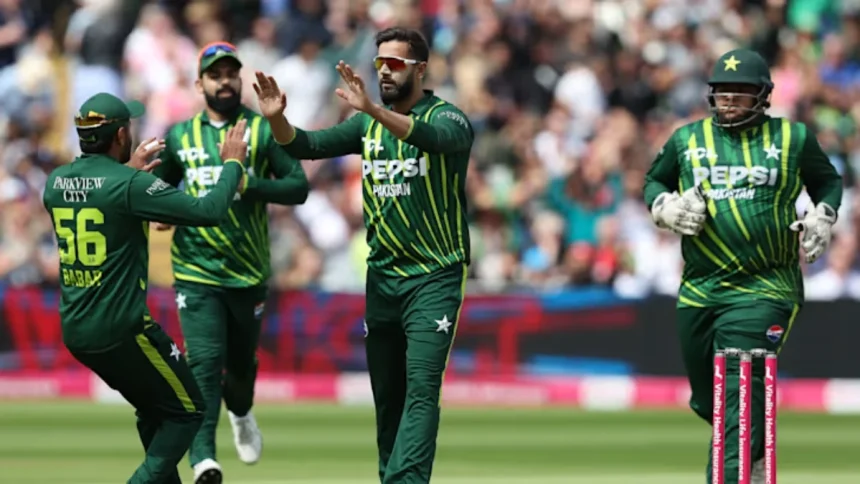
Pakistan Boycott At T20 World Cup 2026: The Pakistan boycott of its high-profile match against India at the T20 World Cup 2026 has raised concerns in the international cricketing community.
This is because the boycott, which has been carried out in solidarity with Bangladesh after they were excluded from the tournament, has serious financial, legal, and sporting implications for Pakistan and the international cricketing community.
The boycott has the potential to disrupt one of the most lucrative matches in international cricket and puts the ICC under pressure to take decisive action.
Why Has Pakistan Boycotted the India Match at the T20 World Cup 2026?
Pakistan’s cricket team has stated that it won’t be playing its match against India at the T20 World Cup in 2026 as it is showing solidarity with Bangladesh. The reason for Bangladesh not being a part of the tournament is that they didn’t want to travel to India due to security concerns. The match between India and Pakistan is always the most-watched and most-revenue-generating match at any ICC event.
ICC’s Initial Response to the Pakistan Boycott
The ICC has warned the Pakistan Cricket Board (PCB) of “significant and long-term implications” for cricket in Pakistan and for the international game. But the governing body has not yet detailed any punitive action if the matter is not resolved.
Read More

Analysts say that the ICC has probably started back-channel talks and may even call an emergency board meeting to deal with the situation. Former ICC media manager Sami Ul Hasan said that all decision-making rests with the ICC board, which would decide what happens next.
What authority does ICC hold regarding Member Boards?
ICC has extensive powers concerning tournament and nations participating in tournaments which come under its international governing powers as it governs cricket globally.
The measures that may be taken against the PCB include:
Read More

- Financial penalties
- Holding back tournament shares
- Formal warning notices
- Suspension of membership in extreme cases
However, it has been warned that drastic measures may have the opposite effect of addressing the issue and may instead damage international cricket.
Pakistan Boycott At T20 World Cup 2026: ICC Regulations and the Force Majeure Clause
Each team that takes part in ICC events has to sign a participation agreement that outlines behavior and compliance. As Hasan explains, the PCB could rely on the force majeure clause, which states that teams have the right to withdraw if their governments do not allow them to take part. This is where the ICC’s legal department will play a crucial role.
In the worst-case scenario, the conflict could be taken to the Court of Arbitration for Sport (CAS), which would, in many people’s opinion, harm the image of cricket worldwide.
Is Pakistan’s Boycott Unprecedented in World Cricket?
Although a rare occurrence, boycotts have happened in ICC events before.
Some of these events are:
- 1996 Cricket World Cup: Australia and West Indies boycotted the event in Sri Lanka because of security reasons
- 2003 Cricket World Cup: England and New Zealand pulled out of their matches in Zimbabwe and Kenya
But according to analysts, the Pakistan boycott in the T20 World Cup 2026 has much larger commercial and political stakes because of the unparalleled value of an India-Pakistan match.

Financial Consequences: What is the potential loss for the ICC?
The greatest contributor to financial loss will most likely be media and broadcasting rights; these rights are most critical for the ICC to earn revenue.
Major areas of concern include:
- Loss of advertising revenue
- Sponsors not paying due to a cancelled marquee match
- Less revenue share for the member boards
Although the ICC is a nonprofit organization, the financial loss would impact the smaller nations that depend largely on ICC funding.
Could Pakistan Face Financial Sanctions?
Though the previous boycotts did not lead to fines or bans, the ICC might try to recover the losses from the PCB because of the extent of the potential damage. It is believed that the Pakistani government would have been aware of these risks before approving the boycott.
Long-Term Impact on Global Cricket
If the India-Pakistan match on February 15 is forfeited, it will be the first time that this legendary rivalry has been abandoned at an ICC World Cup.
According to cricket analysts, if the situation is not handled properly, it could lead to the following:
- Undermining future ICC events
- Straining relations between member boards
- Reducing commercial confidence in global cricket events
How a Single Incident Escalated Into a Major Crisis
The crisis originated when Bangladeshi fast bowler Mustafizur Rahman withdrew from the Indian Premier League (IPL). The Board of Control for Cricket in India (BCCI) indicated that the reason for advising the Kolkata Knight Riders to release the player was due to political tensions. Analysts think that the wording and tone of the press release increased tensions and helped cause the Pakistan boycott.
ALSO READ: Usman Tariq Biography: From A Dubai Kitchen To The T20 World Cup 2026