
How PSG’s Star-Centric Model Is Reshaping Ligue 1
Paris Saint-Germain have become the central force of Ligue 1 over the last decade, not only because of their consistent success on the pitch but also due to the model they operate under. Since the club’s takeover by Qatar Sports Investments in 2011, PSG have followed a star-centric approach that has redefined ambition, spending power, and global reach in French football.
This model has reshaped Ligue 1 in multiple ways. While it has raised the league’s international profile and commercial value, it has also intensified debates around competitive balance, sustainability, and the gap between PSG and the rest of French football. Understanding PSG’s influence is essential to understanding modern Ligue 1.
The Financial Gap Between PSG and the Rest of Ligue 1
One of the clearest ways PSG have reshaped Ligue 1 is through financial dominance. Since the QSI takeover, PSG’s revenues have grown dramatically, reaching record levels in recent seasons. The club’s turnover has increased many times over compared to pre-2011 levels, while most Ligue 1 clubs operate under far stricter budgets.
PSG’s wage bill alone is often higher than the combined squads of several mid-table and lower-table Ligue 1 teams. This financial advantage allows them to attract elite players, offer higher salaries, and retain stars that would otherwise leave French football early. For rival clubs, competing with PSG financially is almost impossible, forcing them to focus on alternative strategies such as youth development and player trading.
This financial gap has gradually widened the structural divide in Ligue 1. While PSG continue to grow as a global powerhouse, many French clubs remain dependent on television revenue and player sales to survive.
Star Power as a Core Business Strategy
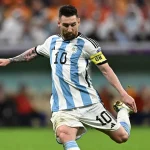
PSG’s star-centric model is not limited to footballing success. High-profile signings have been used as a business strategy to boost global visibility and commercial income. Record-breaking transfers and the arrival of world-famous players have turned PSG into one of the most recognisable clubs in world football.
These signings significantly increased shirt sales, sponsorship deals, and international media coverage. Ligue 1, traditionally seen as a development league, gained greater global attention as a result. Matches involving PSG attracted higher international viewership, indirectly increasing exposure for other Ligue 1 clubs.
However, this approach has also reinforced PSG’s position as a league apart. The presence of global superstars often shifts focus away from domestic rivals, creating a narrative where Ligue 1 is viewed primarily through the lens of PSG rather than as a competitive collective.
Domestic Dominance and Competitive Balance
PSG’s consistent league success is another defining outcome of their model. They have won the majority of Ligue 1 titles in the past decade, often securing the championship with several matches remaining. This dominance has created a perception of predictability around the title race.
For fans and broadcasters, predictability can reduce excitement. While occasional challenges from clubs like Lille, Monaco, or Lens have provided brief disruptions, PSG’s resources usually allow them to reassert control quickly. The league often becomes a battle for second place, which impacts how Ligue 1 is marketed both domestically and internationally.
At the same time, PSG’s dominance has pushed other clubs to innovate. Tactical discipline, data-driven recruitment, and strong academy systems have become essential tools for clubs attempting to compete despite limited budgets.
Impact on Player Development in France
While PSG buy global stars, many other Ligue 1 clubs have doubled down on youth development. France’s reputation as a talent factory has grown partly because clubs know they cannot outspend PSG, so they invest heavily in academies.
Young players often gain early first-team opportunities at non-PSG clubs before being sold to foreign leagues. In this sense, PSG’s dominance indirectly reinforces Ligue 1’s role as a development league. Clubs balance competitiveness with financial survival, knowing that selling talent is often the only way to close the revenue gap.
PSG themselves have also faced criticism for limited pathways for academy graduates, as star signings often block opportunities. This has further strengthened the idea that Ligue 1’s talent production thrives more outside Paris.
PSG’s Role in Expanding Ligue 1’s Global Profile
Despite concerns over imbalance, PSG have undeniably raised the league’s global visibility. International broadcasters, sponsors, and fans are more aware of the league because of PSG’s presence. French football authorities have acknowledged that PSG’s star appeal contributes to higher viewership and international interest.
This increased exposure benefits Ligue 1 as a brand, even if the financial rewards are unevenly distributed. Smaller clubs gain visibility by association, and marquee fixtures involving PSG often become global events. The challenge for Ligue 1 is converting this attention into long-term growth for the entire league rather than a single club.
Long-Term Sustainability and Questions Ahead
The long-term impact of PSG’s star-centric model remains uncertain. Financial regulations, changing ownership strategies, and evolving European competition formats could influence how sustainable this dominance remains. There is also growing debate around whether Ligue 1 needs structural reforms to maintain competitiveness.
For PSG, the challenge is balancing global ambition with domestic credibility. For Ligue 1, the task is ensuring that PSG’s success lifts the league as a whole rather than deepening existing divides.
Paris Saint-Germain’s star-centric model has fundamentally reshaped the french league. It has increased global visibility, raised commercial standards, and pushed rival clubs to adapt creatively. At the same time, it has widened financial gaps and challenged the league’s competitive balance.
PSG are both a driving force and a destabilising factor within French football. Their influence defines modern Ligue 1, and how the league evolves alongside them will determine its future relevance in European football.
Also Read- Angola Vs Zimbabwe Match Report: AFCON 2025 Group B Ends In Hard-Fought Draw