Why Ticket Prices Are Killing Local Football Culture
For generations, football was the people’s game, affordable, accessible, and deeply rooted in local communities. Fans would walk to their neighborhood stadiums, sing familiar chants, and feel part of something larger than themselves.
Today, that reality is fading fast. Rising ticket prices have transformed football from a working-class passion into an expensive luxury. The sport that once united cities now risks alienating the very fans who built it.
The Cost of Watching the Game
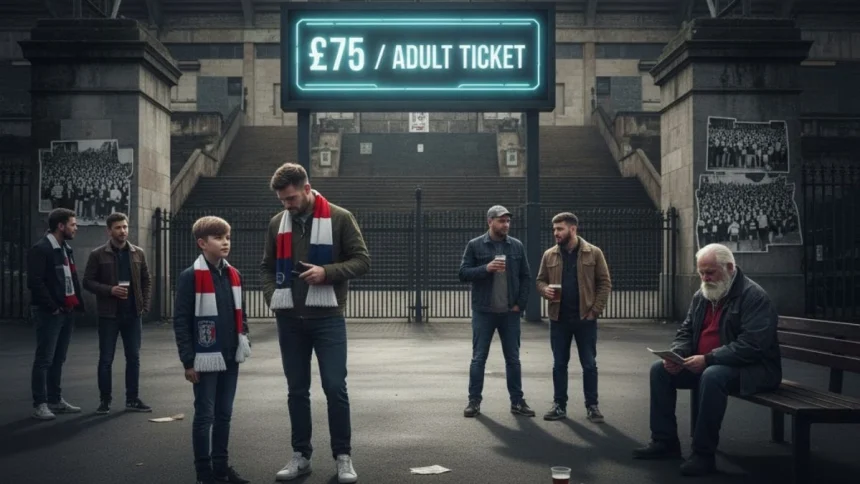
Ticket prices have soared across major leagues. In England, Germany, Italy, and Spain, the average match ticket has tripled in two decades. Even domestic tournaments and smaller clubs have raised prices to survive financially. Families now spend a significant portion of their income just to watch a single match.
The rise is not just about inflation. Clubs justify prices with modern facilities, high player wages, and global demand. Yet, these justifications come at a cultural cost, empty stands, quiet atmospheres, and fans forced to watch from home instead of the terraces.
The Impact on Local Fans
For many supporters, attending games has become nearly impossible. Long-time season ticket holders are priced out, replaced by tourists and corporate guests. This shift weakens local identity and disrupts community traditions that sustained football for generations.

The emotional bond between club and fan is eroding. Once, a matchday was about connection and belonging. Now, it often feels like a business transaction. Clubs risk turning loyal supporters into customers, losing authenticity along the way.
Why Clubs Are Raising Prices
Modern football’s economics are complex. Broadcasting deals, sponsorships, and transfer fees have inflated club budgets. To maintain profits and compete globally, ticket revenue has become a crucial income source. However, this model overlooks one key truth, football’s value lies in its fans, not its balance sheets.
When stadiums prioritize luxury boxes over supporter sections, the soul of the game fades. Clubs that focus only on revenue forget that passion cannot be priced.
Read More

The Consequences for Stadium Atmosphere
The change is visible and audible. Stadiums once known for deafening chants now echo with silence. Corporate spectators may fill seats, but they rarely bring emotion or tradition. Without vocal, local fans, the spirit that makes football special begins to disappear.
Some clubs have started to realize this. Initiatives like “safe standing” and “fan zones” aim to revive energy. But as long as ticket prices remain high, the true heart of football, its community, stays excluded.
Searching for Solutions
Several clubs are experimenting with creative pricing models. Some have introduced youth discounts, family packages, or loyalty schemes. Others allocate a portion of tickets for local fans at reduced rates. While these steps help, the issue demands broader reform.
Football associations and governments could regulate ticket inflation or cap prices for certain sections. Ultimately, preserving football culture requires balance, sustainable business with accessible passion.
A Global Problem
This issue is not limited to Europe. Across Asia, the Americas, and Africa, fans face the same struggle. As domestic leagues grow, so do costs. In many countries, ticket prices rise faster than average wages, creating an economic divide between clubs and communities.
If football continues this path, it may become a spectacle for the few, not a celebration for all.

Football’s greatest strength has always been its people. When ordinary fans can no longer afford to attend, the sport loses its heartbeat. Clubs must remember that loyalty is priceless and that every chant, every cheer, and every tear adds more value to football than any corporate deal ever could.
FAQs
Q1. Why are football ticket prices rising?
A. Clubs increase prices to offset costs like player wages, stadium maintenance, and competition for global revenue.
Q2. How do high ticket prices affect fans?
A. They exclude loyal local fans, reduce attendance, and weaken community engagement.
Q3. What are the long-term risks of expensive tickets?
A. Declining atmosphere, loss of identity, and the transformation of football into an elite-only event.
Q4. Which clubs have acted to make tickets more affordable?
A. Some German clubs and community-owned teams offer capped ticket prices or loyalty-based discounts.
Q5. How can football culture be protected?
A. By balancing revenue goals with accessibility, ensuring local fans remain at the heart of the game.
Also Read- France Vs Iceland: World Cup 2026 Qualifier Preview