Over the decades, tennis equipment has undergone a significant transformation and has seamlessly integrated technology to make the game even more advanced. From the smart shock absorption racquets to health and performance tracking wearables, the game of tennis has witnessed numerous path-breaking technological innovations and developments. Have you ever wondered about the top four technological advancements that have revolutionised tennis equipment and has uplifted the stature of the game on a global level over the past few decades? Well, let’s find out.
In this article we will take a look at the top four technological breakthroughs that have transformed tennis equipment.
Top 4 Technological Breakthroughs in Tennis Equipment
-
Shock Absorption Rackets
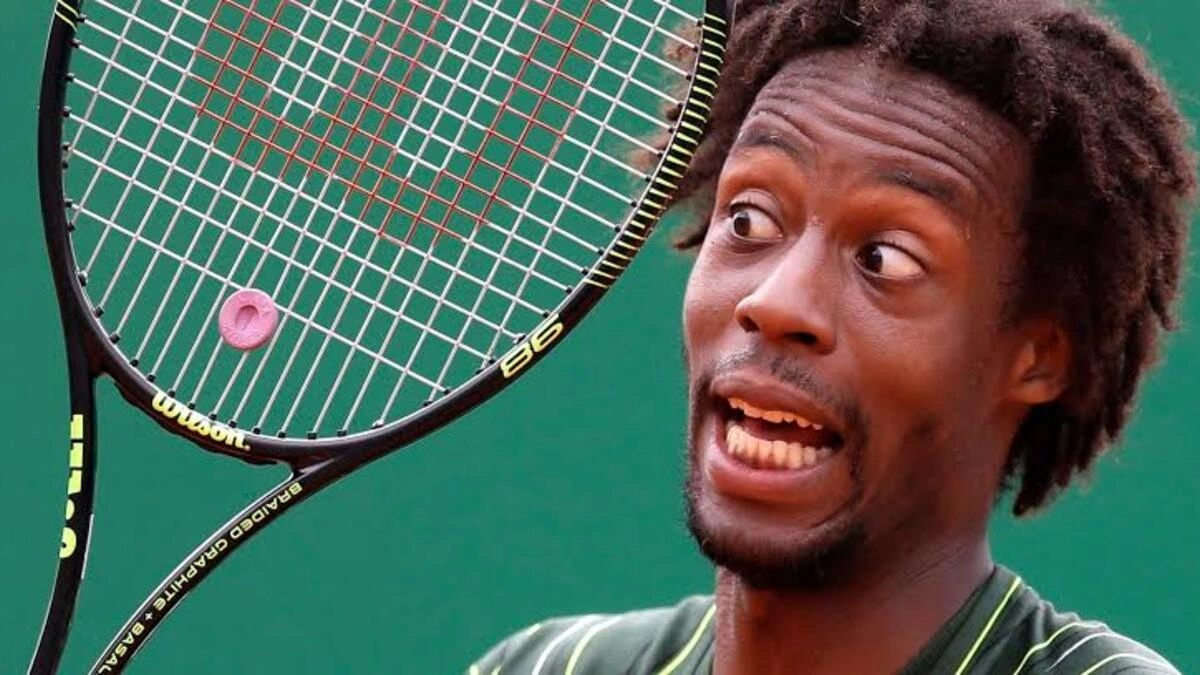
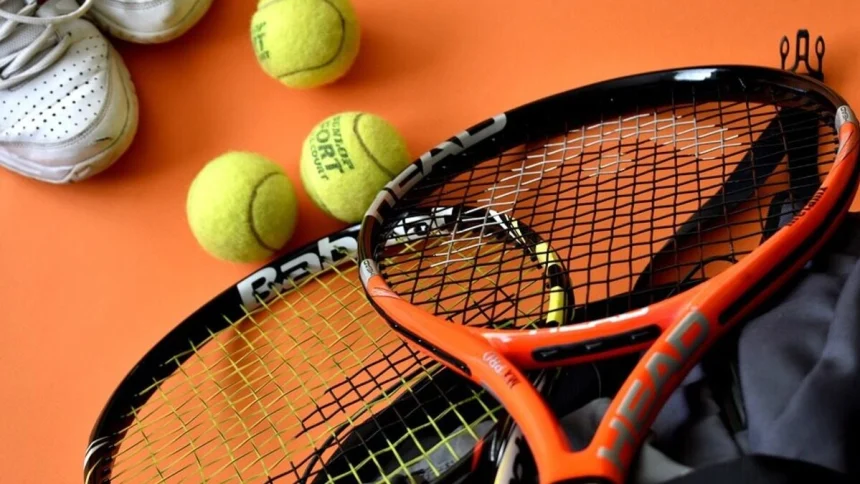
The modern smart racquets are manufactured with dampening fibers and viscoelastic materials which play a major role in absorbing the shock waves before they reach the player’s wrist, elbow and shoulder, thereby considerably reducing the risk of injuries. Additionally, the sensor-assisted smart tennis racquets also feature embedded, or clip-on sensors placed in the handle or butt cap which can also help the tennis players in tracking critical performance metrics including swing speed, spin rate and impact location. Moreover, these smart shock absorption racquets also come with integrated applications that can help professional tennis players and their coaches in tracking their performances and improving their strength on the court.
-
High-Performance Shoes
Read More

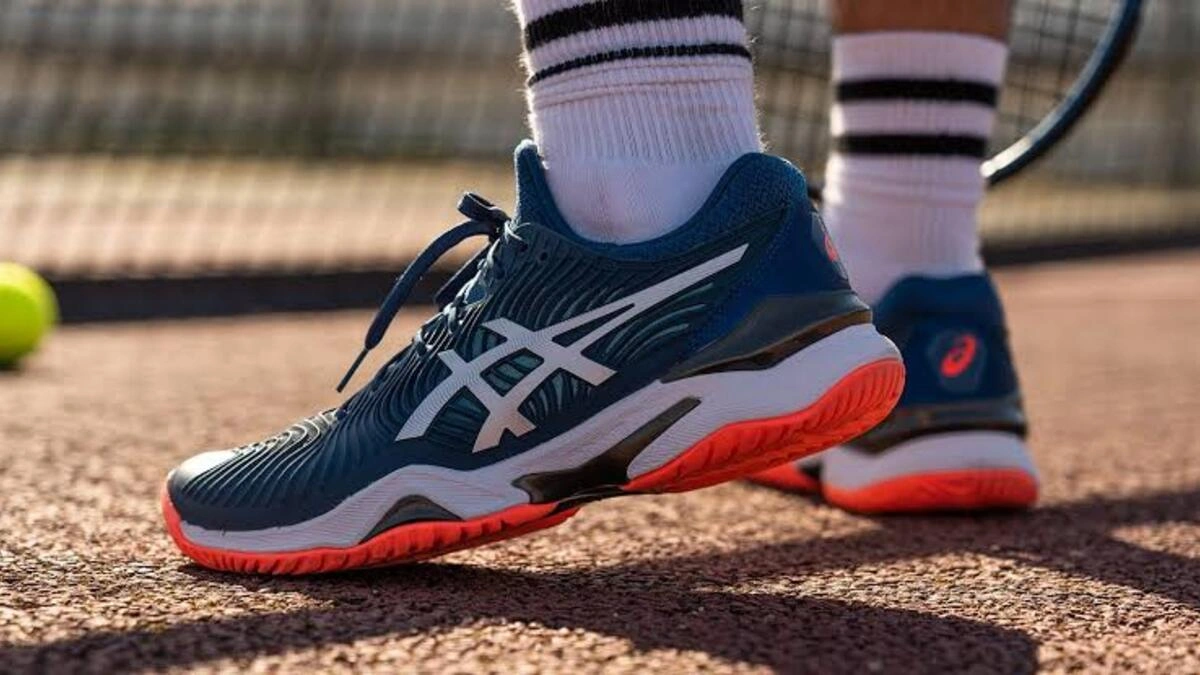
At the second spot on our list of the top four technological breakthroughs that have transformed tennis equipment, we have the high-performance shoes used by professional tennis players. These smart high-performance shoes have built-in sensors like wearables which help the tennis players track their vitals while training and their performance on the court while preparing for crucial matches. Additionally, these shoes also have highly responsive cushioning which can easily absorb high impact and return energy. Furthermore, these shoes also have lateral support structures, torsion plates, and midfoot chassis which provide great stability for players on the court.
-
Hawk-Eye Line Calling
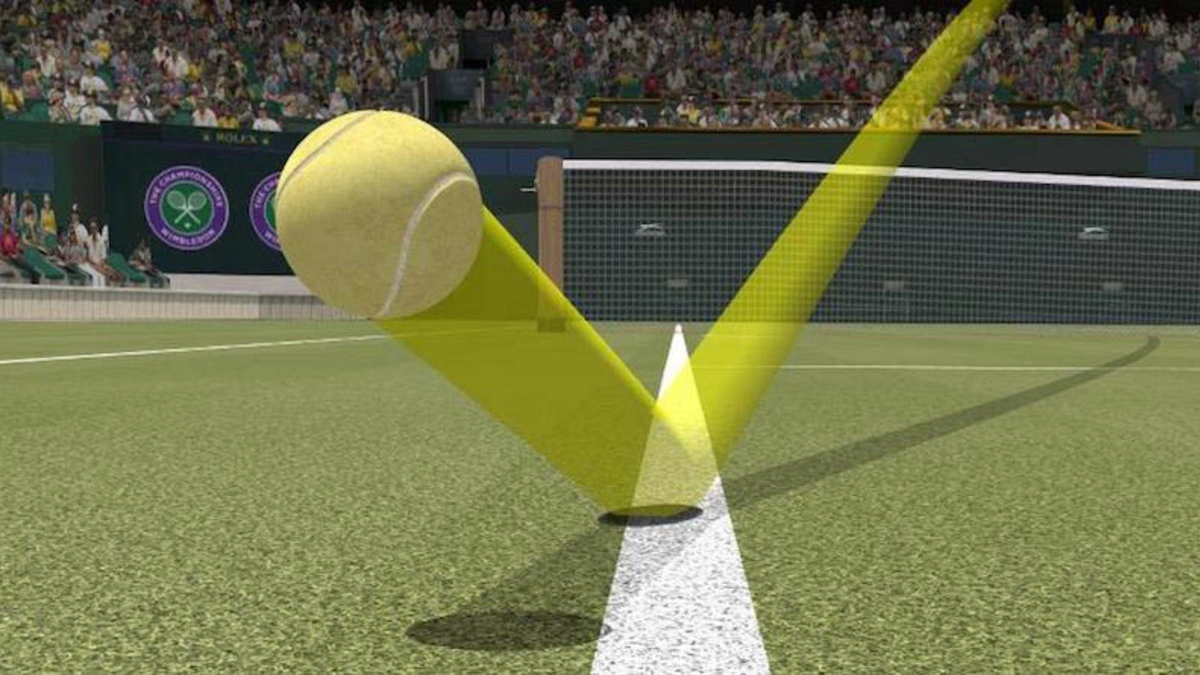
Next, at the third spot in our list of the top four path-breaking technological developments that have revolutionised tennis equipment, we have the hawk-eye line calling system, which is often hailed as one of the most revolutionary technological innovations in the world of officiating. The hawk-eye uses a network of high-speed cameras that are installed all around the tennis court to track the ball’s movement from all possible angles of the tennis court.
Read More

The hawk-eye system has played a crucial role in reducing human error, increasing fairness of decisions and maintaining transparency with the fans and thereby reducing the scope of controversies. Over the decades, hawk-eye has played a crucial role in influencing match outcomes in numerous significant instances, including the 2004 U.S. Open quarterfinal final, the 2007 Wimbledon final, the 2012 Australian Open final and many others.
-
Electronic Net Sensors
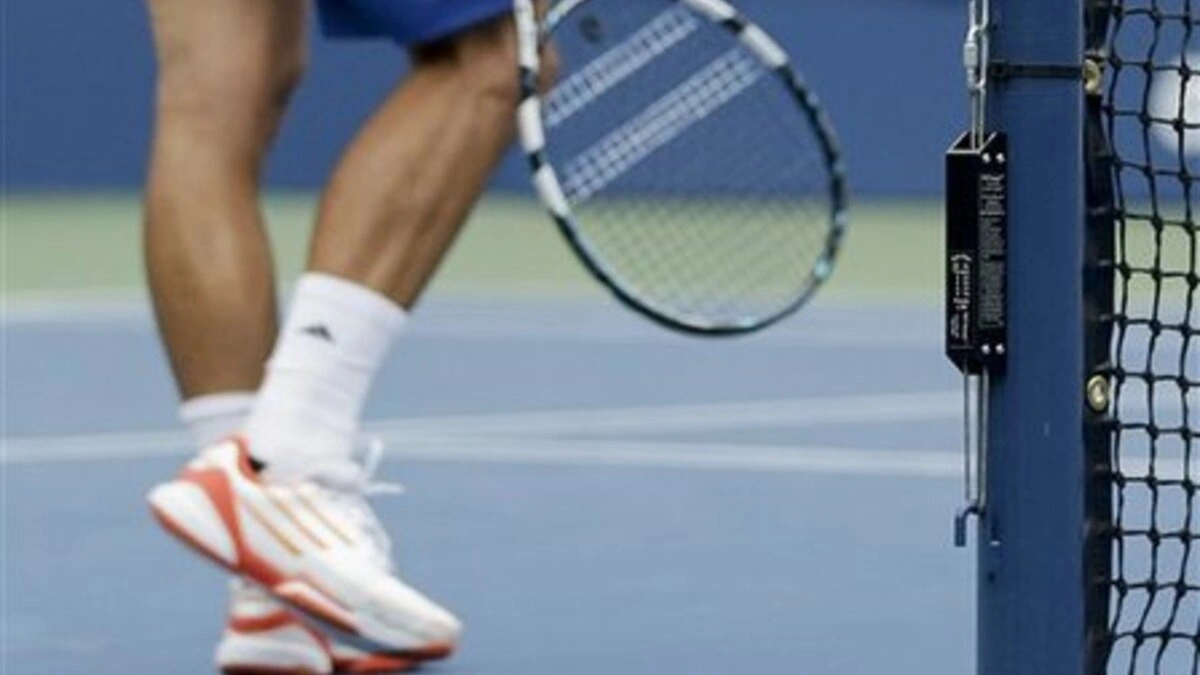
Finally, at the fourth spot in our list of the top four technological breakthroughs that have transformed tennis equipment, we have the electronic net sensors which can instantly detect net touches during serves. Often used in professional tennis tournaments, the electronic net sensors have played a crucial role in assuring accuracy and fairness, especially during the serves. These electronic net sensors are attached to the tennis net to attract all the vibrations and movement caused after the ball hits the net.
Interestingly, these electronic sensors can detect even the most tiny vibrations once the ball hits the net, which ensures fairness of decisions and maintains transparency among the fans of the game. Once the ball hits the net, the electronic net sensors instantly detect the vibrations and movement of the ball and send a clear signal to the umpire’s device, thereby improving fairness even in close calls.