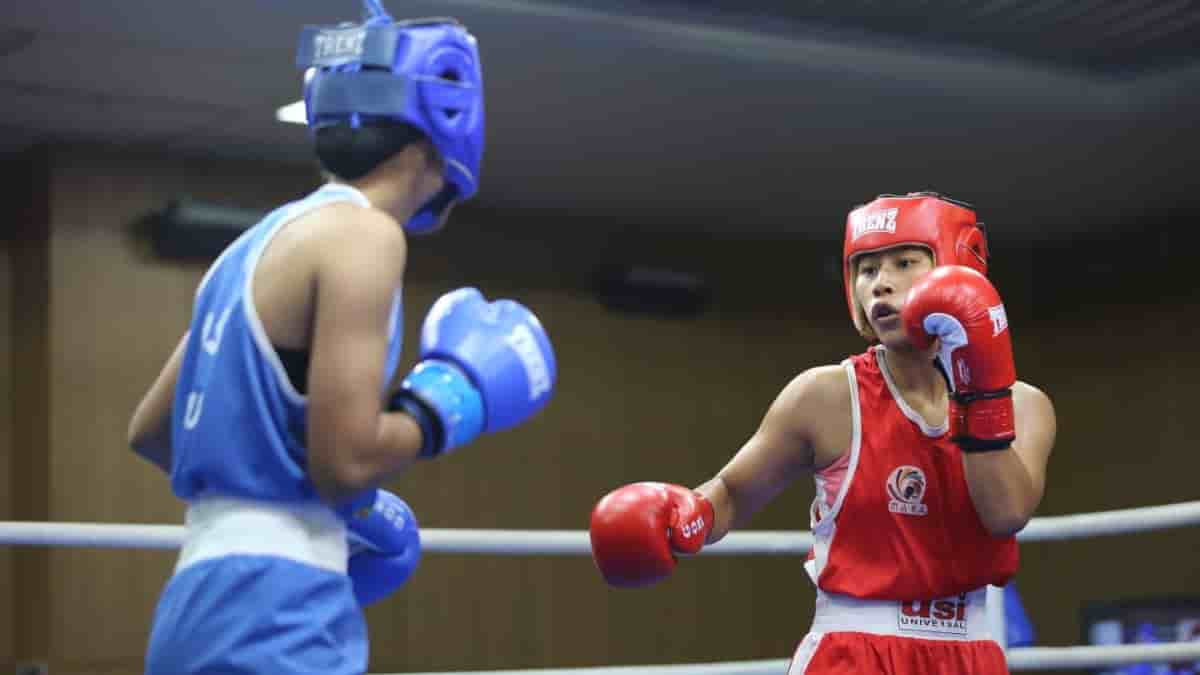
When you watch a boxing match or a martial arts bout, you’ll notice that the fighters are always assigned to either the red corner or the blue corner. This colour-coding tradition has been a staple of combat sports for many years, but have you ever wondered why there are only red and blue corners? Let’s delve into the reasons behind this unique phenomenon.
Visual Clarity and Differentiation
One of the primary reasons for the use of red and blue corners in fighting sports is to provide visual clarity for the spectators and judges. Combat sports involve fast-paced action, and the use of distinct colours helps differentiate between the fighters, especially for those viewing the match from a distance or on television. The contrasting colours allow for easier identification and prevent confusion, ensuring that everyone involved, including the viewers, can follow the action effectively.
Psychological Implications
The choice of red and blue is not arbitrary; it has psychological implications. Colours can have a significant impact on human perception and behaviour. Red and blue are contrasting hues that are easily distinguishable from one another, making them ideal for creating clear visual separation. These colours also evoke certain psychological responses in viewers and fighters alike.
The Aggression of Red and the Calmness of Blue
The colour red is often associated with aggression, power, and strength. It is a colour that can increase heart rate, blood pressure, and adrenaline levels. These physiological effects make it a suitable choice for the corner of the fighter who wants to project dominance and intimidate their opponent. Additionally, red is believed to stimulate the senses and enhance physical performance, making it an ideal colour for combat sports.
On the other hand, blue is associated with calmness, focus and tranquillity. It is a colour that promotes a sense of relaxation and serenity. Placing a fighter in the blue corner may help them maintain composure and control their emotions during a match. The calming effect of blue can also benefit the judges and spectators, creating a balanced visual experience and preventing unnecessary tension.

Practical Implications for Judges and Referees
The use of red and blue corners also has practical implications for judges and referees. When scoring a fight, judges often rely on the red and blue corners to help identify and differentiate the fighters, particularly in close-quarters combat where it may be challenging to see the athletes’ faces clearly. The distinct colours allow officials to keep track of the action and make accurate judgments based on each fighter’s performance.
Spectacle and Pageantry
Moreover, the tradition of using red and blue corners in fighting sports adds to the overall spectacle and pageantry of the event. The colours create a sense of anticipation and excitement for the audience. It has become ingrained in the culture of combat sports, and fans have come to expect the red and blue corners as part of the visual aesthetics of a fight.
Exceptions and Variations
While red and blue corners are the most common, there are exceptions in certain combat sports. For example, in some kickboxing and mixed martial arts events, fighters may be assigned to different colours, such as black or white, to provide further contrast or adhere to specific event branding.

Conclusion
In conclusion, the use of red and blue corners in fighting sports serves multiple purposes. They aid in visual clarity for spectators, provide psychological stimulation for fighters, assist judges in scoring matches, and contribute to the overall spectacle of the event. These colours have become an integral part of combat sports culture, representing power, aggression, calmness, and focus. So the next time you watch a fight, take a moment to appreciate the significance of the red and blue corners and how they enhance your viewing experience.