
If you have ever cycled seriously, you have already realized this fact. Cycling is a painful experience. Nevertheless, not all suffering is the same. Climbing and sprinting offer two totally distinct and unique kinds of pain, and each cyclist has their own preference and a fear.
One is a gradual process that lasts long and is difficult to eliminate, while the other is sudden and leaves you momentarily unable to breathe. Let’s get into the details of these two contests and how they differentiate riders’ skills.
Understanding Pain in Cycling
Pain in cycling is not solely physical. It is mental, emotional, and very personal. Climbing pain focuses on how long you can withstand discomfort. Sprinting pain inquires how much you can burst before everything shuts down. Picture climbing as being drowned slowly and sprinting as going without air till your lungs scream.
The Pain of Climbing
Climbing is a long conversation with your boundaries. There is no escape on the mountaintops. Gravity turns into your enemy, and it never winks at you.
-
What it feels like:
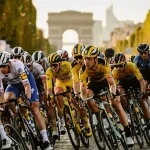
Your legs are like lead. Your inhaling and exhaling become rhythmic, yet desperate. Each stroke of the pedal calls for your endurance. The pain increases slowly, lodging itself deep into your muscles and staying there, unaffected.
-
Why it hurts:
Climbing is mainly an endurance event and requires aerobic capacity. Your muscles are constantly under strain, and your heart rate is high for a long time. It is more about survival than power.
-
The Mental Struggle:
Climbing pain is a mind game. Your eyes are locked on the road ahead, counting pedal cycles, and making deals with yourself. This corner, then a break. But the ascent is never really giving you that time to rest.
The Pain of Sprinting
Sprinting is pure chaos. It lasts for a short time, it is very violent, and it does not forgive. There is no pacing; only total commitment.

-
What it feels like:
Your legs literally catch fire at once. Your lungs are at the limit. Vision narrows. The world is reduced to a few seconds of sheer effort.
-
Why it hurts:
Sprinting requires instant-laden power and anaerobic energy. Your muscles become nitrogen-stressed almost simultaneously. The situation allows no time for adjustment. You go all the way, or you get off completely.
-
The Mental Battle:
Pain from running is all about fear. Fear of blowing up too soon. Fear of passing in the last few meters. Confidence and readiness to suffer without doubt are required.
Climbers vs Sprinters
Some riders are meant to climb. They are light, skillful, and patient. Then there are the others who are like cannons, muscular and explosive. Climbers are the ones who suffer long. Sprinters are those who suffer, and that is their strength.
It is a matter of choice. None is easier. They are simply two different games with two different sets of rules.
Also Read: Cycling Monuments: 5 Greatest One-Day Races
Training for Two Kinds of Pain
The main focus of climbing training is on endurance, steady efforts, and controlled breathing. As a result, your body learns to stay uncomfortable for a long period of time.
Sprinting training is all about assertiveness. Short intervals, maximal efforts, and rest. It teaches your body to explode on cue and recover quickly.
Both types of pain will demand respect from you. Neglect one, and it will overpower you on race day.
Which Pain Is Worse?
If you ask ten cyclists, you will get ten different responses. Some dislike the slow ascents. Others dread the sudden suffering of sprints. The reality is that the most painful thing is the one you are least prepared for.
Cycling, climbing, and sprinting are two extremes of pain. One is a challenge of patience and endurance, while the other is a challenge of courage and power. The two together mark the line between the beauty and brutality of the sport. The riders split into two groups according to their preferences, one who likes a long burn and the other a quick fire. However, the one thing that remains certain is that cycling does not care for comfort. That is also the reason why we love it.