Racism in European football is not just a headline, it’s a searing, persistent issue that keeps resurfacing at the highest levels of the game. From Champions League nights to weekend league fixtures, this scourge continues to stain the sport’s global image and test the resolve of football’s governing bodies. The frequency and profile of recent incidents reveal not only the depth of the problem but also the complexity UEFA faces in enforcing its anti-racism protocols across diverse cultures and fanbases in Europe.
When the Champions League Spotlight Exposes Racism in European Football
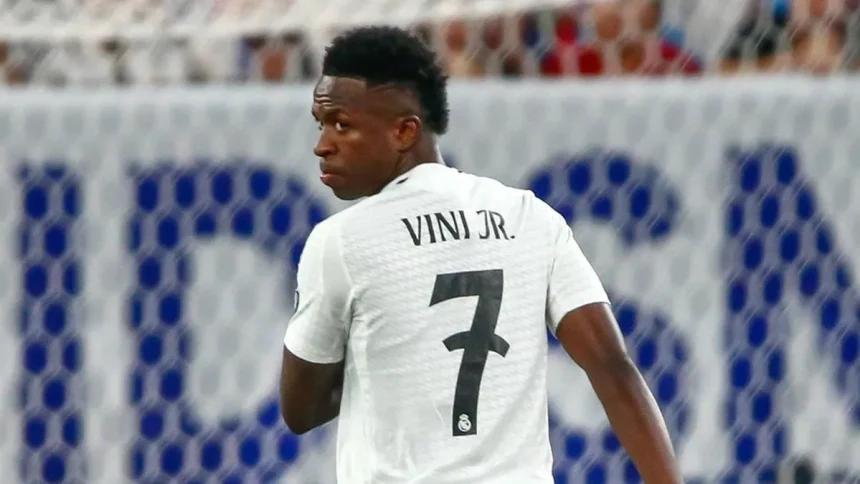
The latest chapter in this ongoing narrative unfolded in February 2026 during a high-stakes UEFA Champions League clash between Real Madrid and Benfica. Brazilian superstar Vinícius Júnior accused Benfica’s Gianluca Prestianni of uttering a racial slur, a claim that triggered UEFA’s anti-racism protocol and saw the match temporarily halted as officials sought clarity on the field. The gravity of the accusation was thrown into sharp relief as teammates like Kylian Mbappé vocally supported Vinícius and demanded meaningful sanctions.
Real Madrid quickly moved to cooperate fully with UEFA’s investigation, submitting all available evidence and condemning the episode as antithetical to everything football should stand for. Yet the debate also spilled into the wider football conversation, with pundits and peers alike challenging how far governing bodies must go to punish not just racist acts but also reinforce zero tolerance.
Historical Echoes of Racism in European Football
Although the emotion around the 2026 incident feels immediate, racism in European football has deep roots. For decades, Black players across leagues have endured monkey chants, banana throwing, and horrendous chants from stands. Historic examples include incidents in Serie A involving Hellas Verona fans directing racist abuse at players such as Mario Balotelli and Kalidou Koulibaly, a conduct so recurrent that it drew substantial fines and partial stadium closures by UEFA.
At club level, sanctions have not been limited to fans. Slavia Prague’s Ondřej Kúdela, for instance, was banned for ten European fixtures after racist behaviour toward an opponent in 2021, demonstrating that UEFA’s disciplinary reach extends beyond supporters and into player conduct when the evidence is clear.
Read More

Fan Culture, Sanctions, and Racism in European Football
UEFA has repeatedly shown that racism in European football can take many forms, flares of bigotry from fanbases, discriminatory chants, and political or extremist symbolism displayed in stadiums. In the Europa League and qualifying matches alike, clubs like Slovan Bratislava have faced fines and stadium closure orders after their supporters displayed offensive banners and chants targeting particular ethnic groups.
Similarly, Serie A sides such as SS Lazio have borne UEFA sanctions following fascist salutes and racist chanting by fan blocs, underscoring how supporter culture can drag even storied clubs into disciplinary action and global scrutiny.
Closures, fines, ticket bans, and points deductions are integral tools in UEFA’s disciplinary arsenal. Clubs found guilty of failing to control racist elements in their crowds can see entire sections of their stadiums closed or face bans from European competitions. These measures aim not just to punish but to disrupt environments where racism might otherwise persist unchecked.

UEFA’s Policy Playbook Against Racism in European Football
Ever since officially codifying anti-racism measures, UEFA has placed match protocols and disciplinary guidelines at the center of its response to racism in European football. Referees are empowered to halt or suspend games when racist behaviour is observed, a step taken during the Real Madrid-Benfica clash that illuminated the protocol’s importance when insult thresholds are breached.
Clubs and national teams are also required to run awareness campaigns and education programmes designed to tackle racist behaviour at its roots, while captains and coaches are encouraged to use their platforms to denounce bigotry publicly. This holistic strategy underscores that anti-racism in European football is as much cultural reform as it is rule enforcement.
Players, Clubs, and the Pressure to Change the Narrative
Players subjected to racist abuse, whether in stadiums or via social media, continue to call for stronger action. Their voices are invaluable in keeping pressure on governing bodies like UEFA to evolve protocols that not only punish but prevent discriminatory behaviour. The 2026 Vinícius incident once again highlighted how quickly racism can ignite intense debate, activism, and reputational risk for clubs and competitions alike.
Clubs that publicly align with anti-racism campaigns and swiftly condemn misconduct help shape an environment where intolerance is neither accepted nor ignored. At the same time, these high-profile incidents in European football reveal the limits of policy without consistent enforcement and accountability at every level of the game.
Also Read: Jamal Musiala Returns From Injury As Bayern Munich Star Resumes First-Team Training