
Every era in football has its heroes, but the modern game is increasingly being shaped not by specialists alone, but by All-Rounders, players capable of influencing all phases of play with tactical versatility, technical skill, and positional intelligence. These smartest footballers don’t just fit systems; they redefine them, giving coaches strategic adaptation throughout 90 minutes and across seasons.
The Rise of All-Rounders in a Fluid Tactical Age
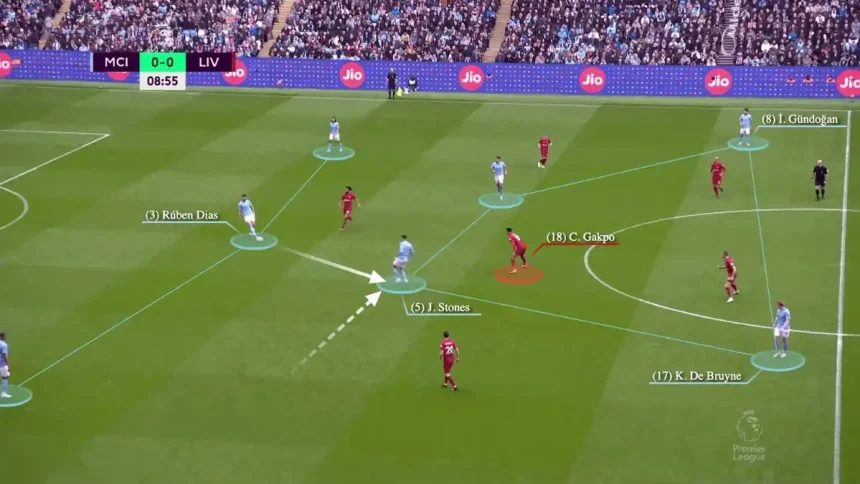
Gone are the days when fixed formations dictated rigid roles for each player. Today’s elite teams thrive on fluidity, often switching structures mid-game without losing shape, a trend rooted in the game’s tactical evolution. Modern strategies require individuals who can understand and execute multiple roles, defenders joining build-ups, midfielders dropping into wide spaces, and forwards helping in defense. This shift has turbocharged the value of All-Rounders who can drift across lines and make decisive contributions in defense, midfield, and attack seamlessly.
Tactical Awareness: The Core of Football Intelligence
Football analysts today stress that tactical analysis isn’t just about data, it’s about how players interpret space, manage transitions, and make real-time decisions under pressure. The best tactical teams are those that can alter their strategy without a substitution, owing much to players who understand the game’s nuances and can execute subtle adjustments on the pitch. All-Rounders embody this football IQ: they read situations quicker, anticipate opponent movements, and facilitate structural shifts more fluidly than traditional specialists.
Positional Versatility: More Than a Trend
Clubs like Ajax and Barcelona have long cultivated players who can operate effectively in various positions, enhancing tactical options for managers. The modern emphasis on positional play means roles overlap, full-backs into midfield, midfielders in attacking zones, and forwards helping in defensive phases. All of this demands adaptability: the more roles a player can handle with elite effectiveness, the higher his strategic value. Developing players as All-Rounders expands tactical options and enables teams to cope with injuries, suspensions, and fixture congestion without losing performance consistency.
How All-Rounders Amplify Tactical Flexibility
Tactical flexibility has become a defining trait of top European teams. It allows squads to start in one system, fluidly switch to another during play, and maintain balance throughout. This type of adaptability isn’t built purely by coaches drawing up complex plans; it requires players on the pitch who can interpret and implement those plans in dynamic contexts. All-Rounders can accept tactical prompts, adjust their positioning, and serve as connective tissue between defense and attack.
Read More

The Midfield Engine: All-Rounders at the Heart of Control
Midfielders traditionally exemplify the All-Rounder archetype. Once solely link players between defense and attack, modern midfielders are expected to win possession, dictate tempo, and support both offensive and defensive phases. The evolution of roles like box-to-box and deep-lying playmaker illustrate how a midfielder’s contribution across tactical responsibilities makes them indispensable. Cultivating midfield all-rounders who tackle, pass, and launch attacks is now a core principle for teams that aim to dominate possession and control games.
Examples of Contemporary All-Round Excellence
Consider players like Rodri (Manchester City), a holding midfielder who not only recovers possession but also initiates build-ups and adjusts positioning fluidly, embodying the modern All-Rounder with tactical intelligence and versatility. His ability to influence defensive shape and offensive transitions accentuates how multifunctional roles have become essential to elite team strategies.
Why Coaches Prioritize All-Rounders
Tactical shifts within a match often hinge on personnel who are comfortable playing different roles. Coaches increasingly demand players who can slot into new duties without confusion, the ability to press high one moment, protect a low block the next, and then recycle possession while carving out chances deep in the opponent’s half. All of this is easier when teams possess players whose tactical awareness and versatility are as strong as their technical attributes. This makes All-Rounders not just useful, but foundational for contemporary football strategies.

Squad Dynamics and Tactical Depth
All-Rounders also offer depth, if a specialist is injured or underperforming, a versatile player can step in with minimal disruption to the team’s tactical framework. This resilience is crucial in long seasons filled with domestic leagues, cup competitions, and international fixtures. Modern game demands adaptability at every level, squad rotation, high press systems, and transitional play all benefit from players who bring multi-dimensional skill sets.
Tactical Innovation and the Next Generation
Looking ahead, youth development is increasingly investing in holistic football education, preparing players to be tactical thinkers rather than narrow specialists. Training across positions nurtures the qualities required of tomorrow’s All-Rounders, from spatial awareness to role-switching capabilities, ensuring the next generation of players can meet evolving tactical demands.
Also Read: Why High-Press Football Is Losing Its Edge Across Europe’s Top Leagues?