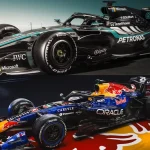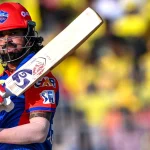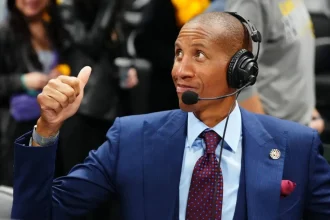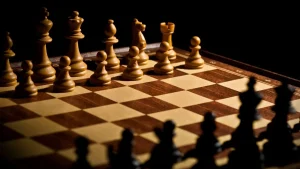

From the thunderous cheers of a packed stadium to the silent intensity of a championship Chess hall, the essence of competition pulses just the same. While Chess lacks the physical spectacle of football or tennis, its strategic depth and psychological demand rival the fiercest traditional sports. At the elite level, Chess players and athletes alike embody a mindset forged through preparation, pressure, and the unrelenting drive to win. This shared competitive mindset unites two worlds that, on the surface, appear utterly different but at their core thrive on the same principles of elite performance.
The Chess Competitive Landscape: A Mental Marathon
Competitive Chess is not merely a board game; it’s an endurance sport of the mind. Top level Chess games can last hours, requiring players to maintain razor-sharp focus from the first move to the last. Research in sports science recognizes that elite Chess players engage complex cognitive operations such as pattern recognition, decision-making under pressure, risk assessment, and emotional regulation, skills just as critical in traditional athletic competition as they are in a world championship match.
Elite Chess champions spend years training, studying grandmaster games, memorizing opening lines, and simulating pressure conditions that mimic tournament play. Much like a world-class marathon runner conditions muscles for sustained performance, elite Chess players condition their minds for cognitive endurance that can outlast any sprint finish.
Preparation is Universal: Training the Mind and Body
Chess players, especially at the highest tiers, no longer rely solely on board time and puzzles. They integrate psychological preparation and physical wellness into their regimen, a strategy that mirrors elite traditional athletes. Meditation, visualization, emotional regulation, and even light physical activity are tools used by grandmasters to sustain concentration and reduce anxiety.
This is familiar territory for athletes in traditional sports who employ visualization drills, sports psychology, and mental resilience training. In both domains, athletes learn not just how to perform but how to perform under pressure, where every decision carries consequence and every moment tests resilience.
Read More
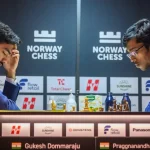
Decision-Making Under Pressure: A Shared Competitive Core
One of the most significant parallels between Chess and traditional sports is decision-making under pressure. In the heat of a contest, whether placing a Queen on f7 or deciding on a match-winning goal, the elite competitor must balance risk and reward with precision and confidence. Research shows that in Chess, rational decision-making styles are positively correlated with mental toughness, a trait equally essential in sports from cricket to rugby. Elite Chess players cultivate mental toughness just as elite footballers or cricketers do.
The ability to stay calm when trailing, to seize momentum when opportunity arises, and to recover quickly from setbacks are universal attributes of high-performance competition.
Rule Structures and Competitive Frameworks
At a structural level, Chess and traditional sports share organized, hierarchical competitive systems. Chess has rating systems, grandmaster titles, world championships, international tournaments, and even recognition by global institutions, frameworks that mirror the league systems of football or the ranking circuits of professional tennis.
Read More
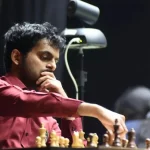
Just as athletes earn rankings through wins, losses, and point differentials, Chess players accumulate Elo ratings, compete in qualifiers, and battle for world titles. Success in these systems demands preparation, adaptability, peak performance on match day, and the psychological stamina to face formidable opponents repeatedly.
Longevity of Competitive Performance
There’s compelling evidence that elite competitors, whether in Chess or traditional sports, reap long-term benefits both mentally and physically. Studies indicate that elite Chess players show effects similar to high-level athletes in terms of life expectancy and cognitive health advantages relative to the general population.
This suggests that the competitive mindset doesn’t merely shape performance on the field or on the board; it may confer enduring advantages through discipline, mental resilience, and sustained cognitive engagement.
Emotional Regulation and the Competitive Chess Athlete
In Chess, emotions can be as decisive as strategy. A single blunder can shatter a carefully built position, making emotional control vital. Top players cultivate psychological skills that help them stay composed under stress, a technique mirrored by athletes in the final minutes of a tied game or championship point scenarios.
Emotional regulation ensures that elite performers don’t just react to circumstances; they adapt, innovate, and execute with precision, a hallmark of top-tier competition across all elite sports.
Shared Competitive DNA of Chess and Traditional Sports
At the elite level, Chess and traditional sports share more than just a competitive label. They embody a competitive DNA defined by preparation, psychological endurance, pressure management, and the constant pursuit of excellence. Whether it’s retaining a championship title or winning an Olympic medal, the mindset that drives elite performance connects the cerebral world of Chess with the physical arenas of traditional sports.
Read More

Also Read: How India’s Chess Champions Are Reshaping The Global Board Rankings?