
In a world where early specialization was once the gold standard for athletic success, a growing body of evidence now points to a powerful alternative. Multi-Sport Athletes, those who engage in more than one athletic discipline over their developmental years or throughout their careers, paired with structured cross-training, are rewriting the playbook on how athletes can stay healthier, perform better, and sustain longevity in sport.
Far from being a trendy concept, this approach is rooted in science and practical experience, proving especially relevant amid concerns over burnout, overuse injuries, and stagnant performance from narrow training pathways.
The Rise of Multi-Sport Athletes: A Strategic Shift in Development
Historically, parents and coaches pressed young athletes toward early specialization, convinced that intense focus on a single sport would produce elite performers. However, research and athletic development professionals now caution that this narrow path increases overuse injuries and psychological burnout while limiting overall athletic growth. In contrast, multi-sport athletes benefit from diversified movement patterns, enhanced motor skill acquisition, and broader physiological development, foundational elements that boost performance across sports disciplines.
For example, coordination patterns developed on the soccer field translate into balance and spatial awareness on the basketball court. Similarly, endurance built through swimming supports longer competitive engagement in track or football. These cross-modal adaptations are why athletes who sample multiple sports during adolescence often display superior strength, agility, and tactical versatility compared to peers who specialized early.
Injury Prevention: The Underrated Advantage of Multi-Sport Athletes
One of the most compelling reasons Multi-Sport Athletes excel in long-term participation is improved injury resistance. Repetitive loads placed on the same joints and muscle groups through single-sport repetition create environments ripe for overuse injuries. In contrast, varied sporting activities distribute physical stress, promoting balanced muscular development and reducing the cumulative strain on any single bodily system.
Read More

Cross-training further amplifies these benefits by incorporating low-impact modalities such as swimming, cycling, or yoga, which help maintain cardiovascular fitness and flexibility while offering rest to overworked tissues. This strategic variety is not only crucial for sidelining fewer athletes, but also for sustaining high-performance levels year after year without the typical wear and tear seen in specialty athletes.
Cross-Training: More Than Just a Break from Routine
Cross-training should not be mistaken as merely a hiatus from sport-specific drills. It’s an intentional enhancement strategy. Including strength training, Pilates, or agility work alongside sport-specific practice fuels overall athleticism. It corrects muscular imbalances and improves stability, attributes that keep multi-sport athletes robust and ready for the unpredictable demands of competitive environments.
From a psychological standpoint, varied training keeps motivation high and prevents the mental monotony that often accompanies repetitive, year-round sport specialization. Engaging different skill sets and movement challenges enhances cognitive adaptability, enabling athletes to approach competitions with fresh perspectives and heightened problem-solving abilities.

Long-Term Performance: Diversification as a Competitive Edge
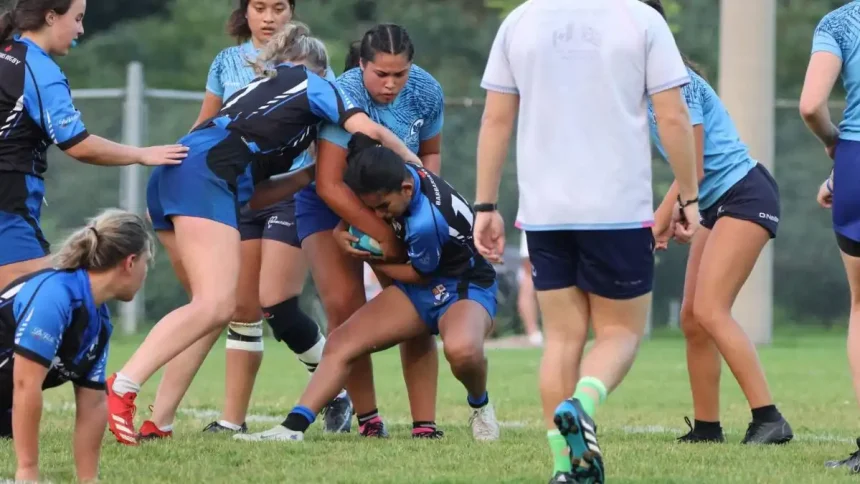
Multi-Sport Athletes are not just physically prepared; they cultivate superior athletic intelligence. Exposure to varied tactical frameworks and teamwork dynamics across sports deepens game sense. A rugby player who cross-trains in sprint mechanics gains sharper acceleration that benefits in breakaways; a tennis player who swims develops superior aerobic pacing that aids endurance in long rallies.
This layered learning enriches the athlete’s competitive toolkit. Moreover, delaying early specialization correlates with better overall health and reduced burnout rates. Rather than plateauing early, athletes with broad athletic foundations often enjoy longer peak performance windows and smoother transitions between competitive levels. This effect stems from their ability to make physiological and psychological adjustments across training cycles, a hallmark of longevity in sport.
Lifelong Athletic Engagement: Beyond Competitive Years
The benefits of being a Multi-Sport Athlete extend well beyond the field, track, court, or pool. Diverse athletic backgrounds equip individuals with lifelong movement literacy, making sustained physical activity easier and more enjoyable into adulthood. The movement confidence and adaptability gained through a varied athletic upbringing promote long-term health outcomes, including better cardiovascular function, muscular balance, and resilience against age-related decline.
In essence, athletes who embrace variety are not just building better careers, they are crafting futures where sport remains a lifelong companion rather than a fleeting pursuit.
Also Read: How Badminton’s Talent Pathway Is Quietly Becoming One Of Sport’s Most Competitive