Top 10 Football Autobiographies Every Fan Should Read
Football is remembered through goals, trophies and unforgettable moments. But the stories behind these moments live on in books written by the players themselves. Football autobiographies give readers a rare chance to understand the emotions, decisions and personal struggles that shaped the careers of some of the world’s biggest stars. These books capture a different side of the sport, one that cannot be seen on television or in match highlights.
This list presents the top ten football autobiographies every fan should read. Each book tells a unique story, from childhood memories to dressing room challenges and major turning points. These autobiographies take readers behind the scenes and offer an honest view of life as a footballer. They explain success, failure, hope and hard lessons. Together, they form a powerful collection of football literature that continues to inspire readers around the world.
1. I Am Zlatan Ibrahimović by Zlatan Ibrahimović
Zlatan Ibrahimović is one of football’s most confident and charismatic players. His autobiography describes his journey from a tough childhood to becoming one of the most respected strikers in Europe. The book explains how he developed his strong personality, how he handled criticism and how he adapted to different leagues. It highlights key moments with major clubs and offers a direct look at his attitude, ambition and belief in himself.
Readers learn how Zlatan’s early life shaped his character and how he used challenges as motivation. The book gives a clear picture of what drives him and why he became known for his fearless style on and off the pitch. His story is full of energy and offers an honest look at a remarkable career.
2. My Story by Steven Gerrard
Steven Gerrard’s autobiography offers a deep and emotional look at his life at Liverpool. The book focuses on loyalty, identity and responsibility. Gerrard writes about personal moments, major victories and painful defeats. His honesty about the pressure of playing for his boyhood club makes the book powerful and memorable.
Read More

The autobiography also discusses his role as captain and the expectations that came with it. Gerrard explains his decisions, his experiences in Europe and his thoughts during crucial matches. The book provides a complete understanding of what it meant for him to represent Liverpool at the highest level.
3. A Life in Football by Ian Wright
Ian Wright’s story is one of determination and belief. His autobiography explains how he rose from difficult beginnings to become one of Arsenal’s most important strikers. The book focuses on personal growth, discipline and the emotional challenges he faced early in life. Wright speaks openly about moments that shaped his personality and his football career.
The autobiography is full of heart and honesty. It shows how Wright overcame barriers through hard work and persistence. The story inspires readers by proving that success can come from unexpected places. Wright’s journey is a reminder of the power of resilience and self-belief.

4. Keeping It Real by Rio Ferdinand
Rio Ferdinand’s autobiography offers a balanced view of football, family and personal priorities. The book explains how he developed as a defender and how he managed pressure at the top level. Ferdinand writes about key moments at Manchester United, his relationships with teammates and the lessons he learned from managers.
The book also covers important personal experiences that shaped his perspective. Ferdinand writes with clarity and confidence, helping readers understand the mental strength needed to stay consistent in world football. His story is both reflective and educational.
5. Always Managing by Harry Redknapp
Harry Redknapp’s autobiography focuses on his long career as a manager. The book highlights the strategies, decisions and challenges he faced while leading different clubs. Redknapp writes openly about management, expectations and the responsibility of guiding teams through difficult periods.
The story also includes personal moments, relationships with players and important turning points in his career. Redknapp explains how he built trust with squads and how he handled pressure from fans and owners. The book is honest, straightforward and filled with clear details about what it takes to be a football manager.
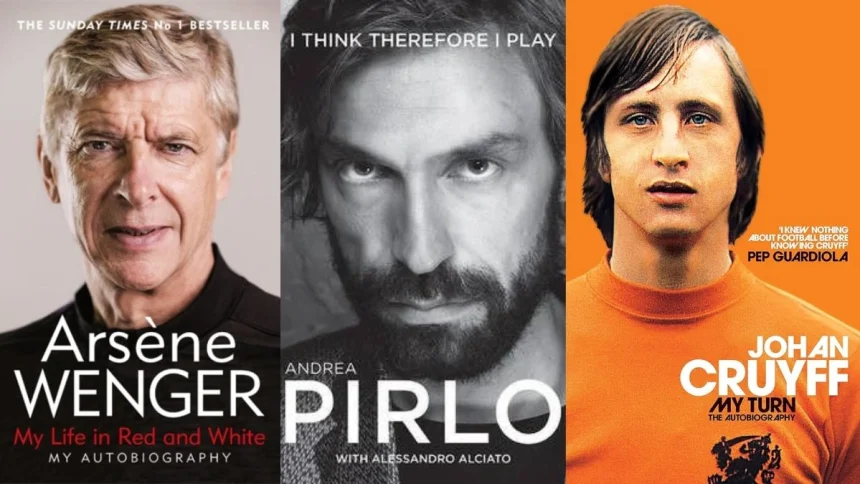
6. My Turn by Johan Cruyff
Johan Cruyff’s autobiography explores the mind of one of football’s greatest thinkers. The book offers insight into his philosophy, his playing style and his influence on modern football. Cruyff discusses how he understood the game and how he developed ideas that changed how teams play today.
The autobiography is thoughtful and calm. It focuses on clarity, vision and intelligent decision making. Cruyff explains the importance of teamwork, communication and creativity. This book is essential for anyone who wants to understand football from a tactical and intellectual point of view.

7. Gerrard: My Autobiography by Steven Gerrard
Steven Gerrard’s original autobiography provides an even deeper look at his early career. The book discusses his childhood, his development at Liverpool and his early experiences with the first team. It explains the foundations of his mentality and what motivated him during the early stages of his journey.
Readers see how Gerrard saw the game, how he trained and how he handled early pressure. The book complements his later writing and provides valuable context to his career. It shows the beginning of a player who would become one of England’s most respected midfielders.
8. Open Side by James Haskell
Although James Haskell is known for rugby, his autobiography includes notable chapters about football and its role in shaping his competitive mindset. The book focuses on discipline, training and the importance of mental strength. It uses examples from football to explain teamwork, leadership and preparation.
Readers interested in sports psychology will appreciate how Haskell connects different sports. The book offers lessons that apply to football, especially in areas such as focus, motivation and recovery. It adds a unique angle to this list by linking football with broader ideas about performance.
9. My Life, My Football by Kevin Keegan
Kevin Keegan’s autobiography tells the story of a player and manager who made a major impact on English football. The book covers his playing days, his leadership at club level and his approach to management. Keegan writes about key matches, important decisions and emotional experiences throughout his career.
The autobiography also explores his time with the England national team and how he handled pressure in high-profile roles. Keegan’s honesty and clarity make his story engaging. Readers gain insight into the highs and lows of a long football career.
10. The Second Half by Roy Keane and Roddy Doyle
Roy Keane’s autobiography, written with Roddy Doyle, is one of the most direct and uncompromising books on this list. Keane writes clearly about his experiences at Manchester United and his strong beliefs about leadership, discipline and standards. The book also covers his time as a manager and his life away from the pitch.
Readers appreciate the honesty and detail in Keane’s writing. He speaks openly about conflict, pressure and critical moments in his career. The book provides a complete picture of one of football’s most intense personalities and explains what shaped his approach to the game.
FAQs
Q1. What makes a good football autobiography?
A. A strong football autobiography offers honesty, personal insight and clear details about important moments in a player’s career.
Q2. Are these autobiographies suitable for young readers?
A. Most are suitable, but some include mature themes. It depends on the reader’s age and interest.
Q3. Do these books focus only on football?
A. No, they also explore family, personal growth, emotions and challenges outside the sport.
Q4. Which book is best for learning about leadership?
A. Books by Roy Keane, Rio Ferdinand and Johan Cruyff provide strong lessons on leadership.
Q5. Are all these autobiographies still in print?
A. Many are available in print and digital formats, depending on location and publisher availability.
Also Read- Why Virgil Van Dijk’s Disallowed Goal Sparked Debate: Howard Webb Explains Offside Decision