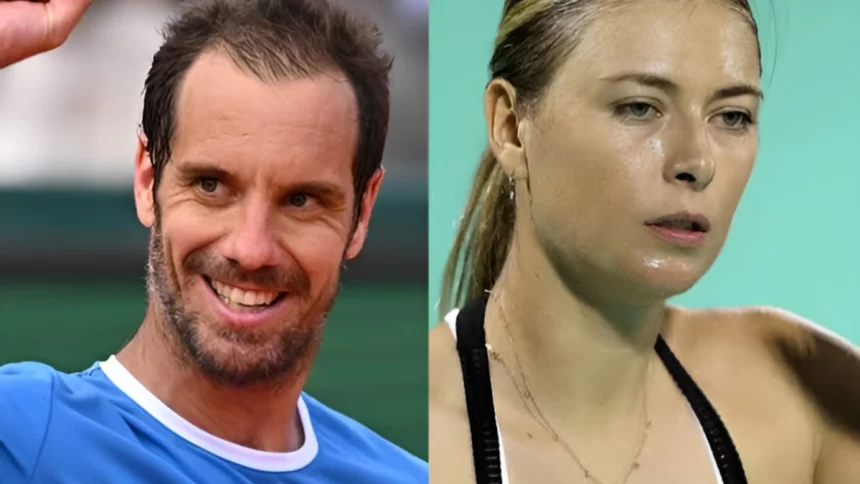
Over the past few decades, the glorious history of professional tennis has undoubtedly been plagued by a few tennis players who have been guilty of substance abuse charges. Although the World Anti-Doping Agency (WADA) has formulated numerous global anti-doping rules under the World Anti-Doping Code, the cases of substance abuse have undoubtedly risen in the arena of professional tennis in the past few decades. As of 2025, the International Tennis Integrity Agency (ITIA) administers both the Tennis Anti-Doping Programme and the Tennis Anti-Corruption Program, which includes doping testing, educating players, investigating manipulation, and enforcing sanctions. Have you ever wondered about the tennis players whose careers were banned for substance abuse? Well, let’s find out.
In this article we will take a look at the top four tennis players who were banned for substance abuse.
Top 4 Tennis Players Who Were Banned For Substance Abuse
-
Richard Gasquet
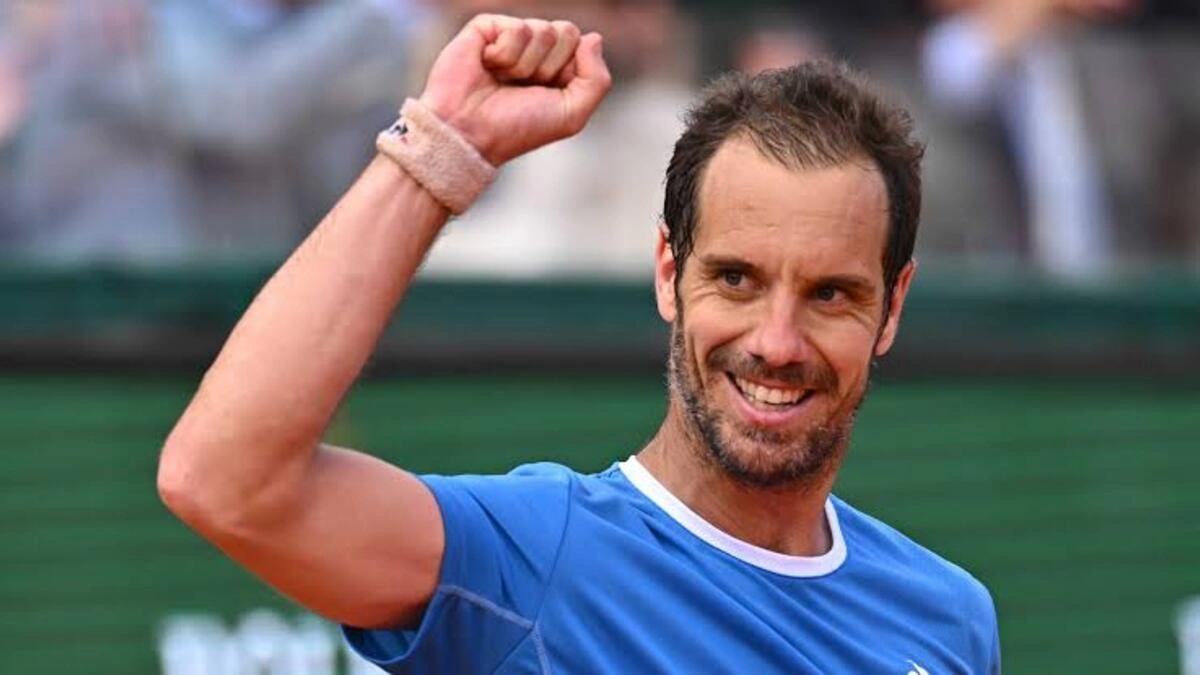
The iconic French former professional tennis player Richard Gasquet is at the first spot in our list of the top four tennis players who lost their careers after being declared guilty of substance abuse. Richard Gasquet was ranked as high as world No. 7 in men’s singles by the ATP and clinched a record total of 16 singles titles on the ATP Tour. Additionally, Richard Gasquet clinched the mixed doubles title at the 2004 French Open, partnering Tatiana Golovin and also claimed an Olympic bronze medal in men’s doubles at the 2012 London Olympics.
Shockingly, Richard Gasquet tested positive for cocaine in 2009, leading to a one-year ban. Although after multiple hearings, Richard Gasquet’s ban was reduced to six months, the whole controversy ended up ruining his professional tennis career.
-
Maria Sharapova
Read More

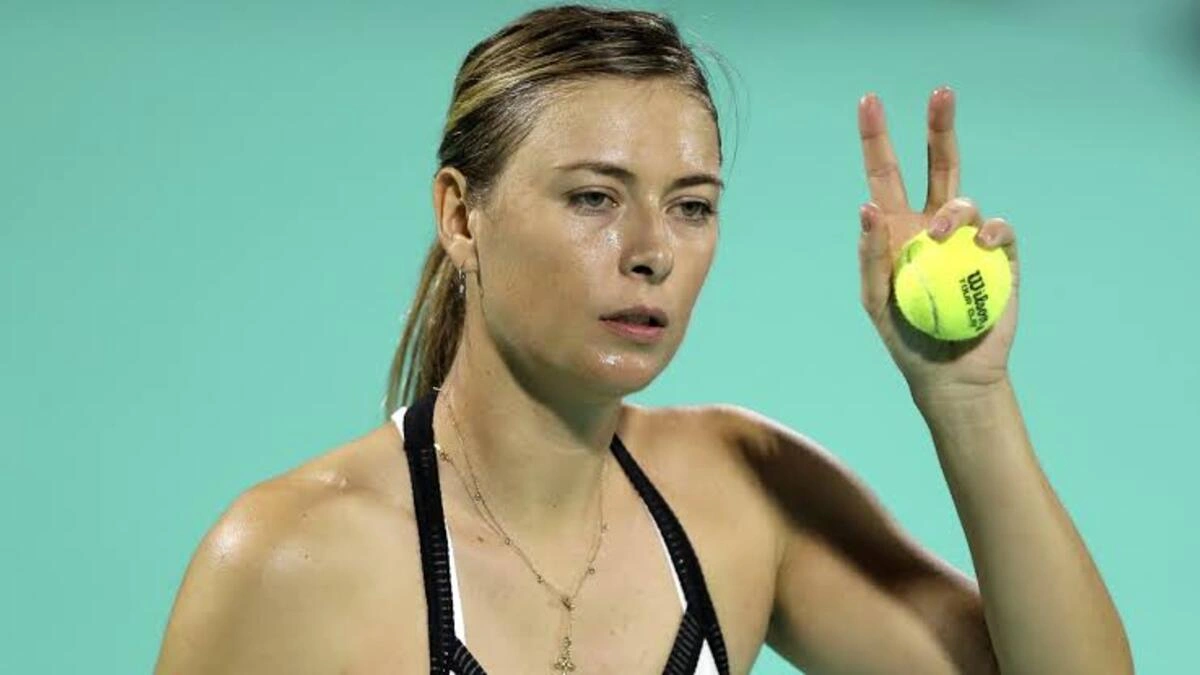
At the second spot in our list of the top four tennis players who were banned for substance abuse, we have the iconic Russian former professional tennis player Maria Sharapova, who was ranked as the world No. 1 in women’s singles by the Women’s Tennis Association(WTA) for 21 weeks. Throughout her glorious career, Maria Sharapova clinched a total of 36 WTA Tour-level singles titles, including five major titles, as well as the 2004 WTA Tour Championships.
As of August 2025, Maria Sharapova continues to be one of the only ten female professional tennis players in the world to achieve a career Grand Slam in singles. Maria Sharapova tested positive for meldonium at the 2016 Australian Open. As a consequence, the International Tennis Federation (ITF) handed her a two-year suspension on 8 June 2016.
-
Martina Hingis
Read More

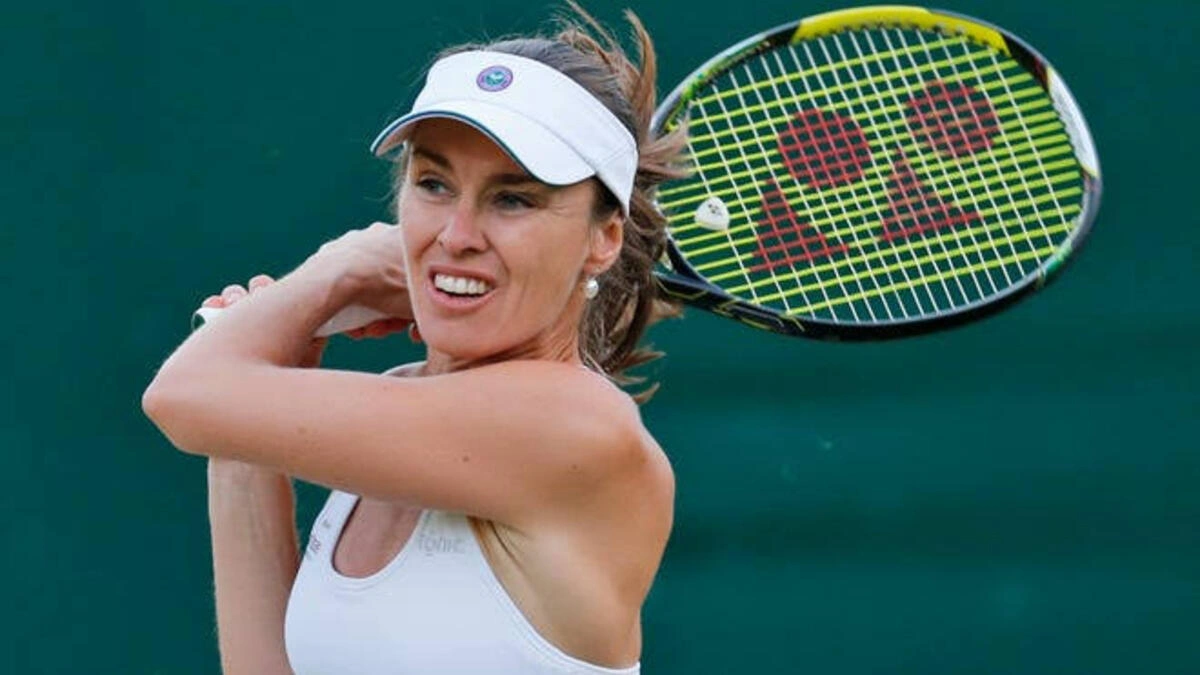
Next, at the third spot in our list of the top four tennis players who lost their careers after being declared guilty of substance abuse, we have the Swiss former professional tennis player Martina Hingis, who was ranked as the world No. 1 in women’s singles by the Women’s Tennis Association (WTA) for 209 weeks. Throughout her star-studded professional tennis career, Martina Hingis clinched a record total of 43 WTA Tour-level singles titles and 64 doubles titles, including a total of 25 major titles. Shockingly, Martina Hingis tested positive for benzoylecgonine (a cocaine metabolite) at Wimbledon in 2007. As a consequence, Martina Hingis was handed a two-year ban by the International Tennis Federation (ITF).
-
Simona Halep
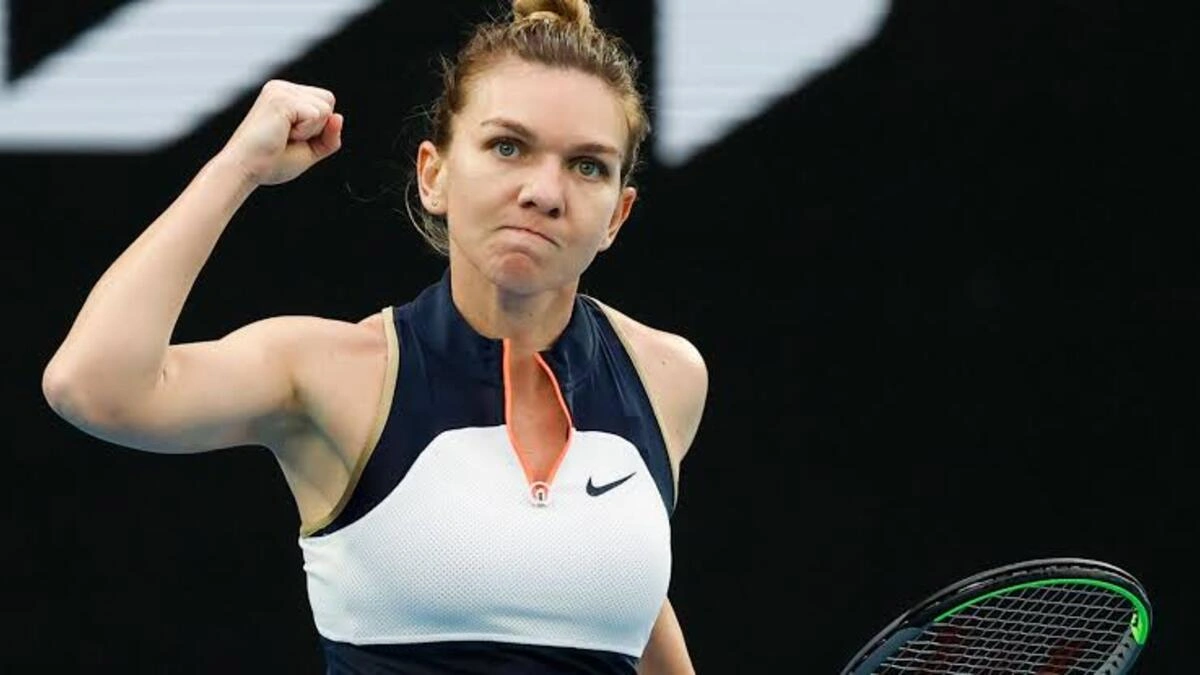
Finally, at the fourth spot in our list of the top four tennis players who were banned for substance abuse, we have the legendary Romanian former professional tennis player Simona Halep, who is still widely regarded as one of the most successful female professional tennis players of all time. Throughout her glorious professional tennis career, Simona Halep clinched a record total of 25 WTA Tour–level titles, including two majors at the 2018 French Open and the 2019 Wimbledon Championships.
Despite her star-studded achievements, Simona Halep’s professional tennis career was plagued to a huge extent after she tested positive for roxadustat during the 2022 U.S. Open. Initially, Simona Halep was handed a four-year ban by the International Tennis Federation (ITF), it was later reduced to nine months.