Formula 1 may look like it’s all about fast cars and fearless drivers, but behind the scenes, strategy is just as important. One of the biggest pieces of that strategy puzzle? Tyres. If you’ve ever heard the commentators talk about “saving a set for the race” or “running out of softs,” you might have wondered, how exactly does tire allocation work in F1? Let’s break it down.
Pirelli’s Role in F1 Tires
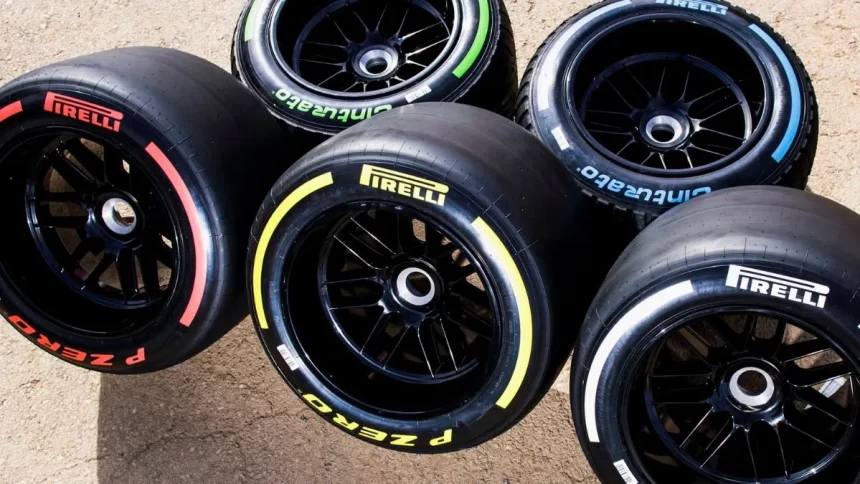
First things first, Formula 1 has an exclusive tire supplier: Pirelli. They bring different compounds of tires to every race weekend, usually a mix of soft, medium, and hard for dry conditions, plus intermediates and full wets for rainy weather. Each compound has different characteristics, softs are fast but wear out quickly, while hards are durable but slower. The trick is managing tire allocation across the weekend to extract maximum performance.
How Many Tires Do Teams Get?
Every driver gets 13 sets of dry-weather tires for a Grand Prix weekend. That might sound like a lot, but once you factor in practice sessions, qualifying, and the race itself, it’s actually a pretty tight number. On top of that, each driver has four sets of intermediates and three sets of full wets available in case the weather decides to play games.
Tire Allocation Across the Weekend
Now, here’s where it gets strategic for tire allocation. Not all 13 dry tyre sets are available at once. Pirelli and the FIA mandate how many sets must be returned after each session. For example, after Friday’s practice sessions, teams have to hand back a couple of sets, which reduces the stockpile for the rest of the weekend. By the time qualifying rolls around, teams usually have only a handful of fresh sets left, and they have to carefully decide whether to use them in Q2 or save them for the race.
The Race Rules
On race day, the rules state that if the track is dry, drivers must use at least two different dry compounds during the Grand Prix. That means you can’t just bolt on a single set of soft tires and run all the way to the checkered flag; you have to mix and match. This is where pit strategy comes in. Do you go for a two-stop race using softs and mediums for pace, or do you gamble on a one-stop strategy with hards? Every team has to weigh tire degradation, track temperature, and car performance to make the right call for tire allocation.
Read More

When the Rain Comes
Of course, Formula 1 wouldn’t be Formula 1 without chaos. If it rains, the dry-tire rule goes out the window. Teams can switch to intermediates (for light rain) or full wets (for heavy downpours) whenever they need to. And unlike dry compounds, there’s no mandatory requirement to run both. Survival and grip take priority over strategy when the skies open up.
Why Tire Allocation Matters
At the end of the day, tire allocation might sound like a logistical detail, but it can decide races. A driver on fresher tires can overtake someone on worn rubber with ease, and managing tire sets across the weekend is as much a skill as driving itself. Get it right, and you look like a genius. Get it wrong, and you might as well have been driving on ice.
So next time you hear commentators talk about “saving tires” or see teams argue over strategy on the pit wall, you’ll know exactly what’s going on. In Formula 1, the right tire at the right time can make all the difference between winning and watching someone else spray the champagne.
Read More

Also read: F1 Business Summit Set To Take Place At The Las Vegas Grand Prix Weekend