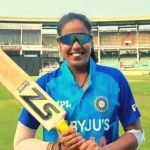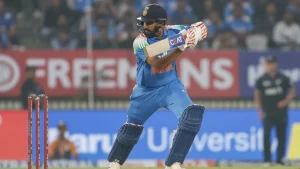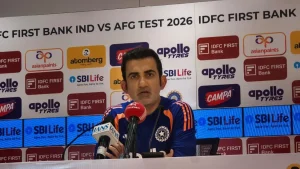

Indian T20 captain Suryakumar Yadav recently said that he is “out of runs, not out of form,” which is a term that is often used in cricket. Being out of runs is an indication of temporary bad luck, but being out of form is an indication of underlying technical or tactical problems. However, the data from the past 15 months suggests that the distinction between the two may be blurring for Suryakumar Yadav.
The Peak: Suryakumar Yadav at His T20 Best (2021-2024)
Right from his debut in international cricket in early 2021 until the end of 2024, Suryakumar Yadav was perhaps the most impactful T20 batsman in international cricket. His unorthodox stroke-making, his aggressive mindset, and his capacity to score boundaries all around the ground made him a special talent in the Indian batting lineup.
A lot of his scoring against pace was from behind square on the leg side a region most batsmen use very rarely. What made him special was his balance bowlers could not change their line, as anything outside off stump was as vulnerable to being hit over cover.
A Sudden Decline Against Pace Since November 2024
That dominant Suryakumar Yadav now seems like a distant past. Since November 2024, his performance against fast bowling has been drastically reduced.
18 of his last 19 wickets have been against seamers.

Average per pace: 8.11
Strike rate: less than 110
These statistics show a drastic drop from his prime age and suggest more than just ill luck.
Read More

A Pattern of Risk Without Control
The manner of Suryakumar’s dismissals is also a cause for concern. Of the 18 dismissals against pace in this phase:
- 16 have been caught
- Most of these shots came from aerial strokes, and not errors from the defense
- There were 13 dismissals in the first 10 balls faced
This is an indication of aggressive intentions but lacks the control that Suryakumar Yadav used to display in his batting.
IPL 2025 vs International Cricket: A Clear Contrast
Interestingly, the scenario was quite different in IPL 2025. Suryakumar Yadav, who batted at No. 3 and No. 4 spots most of the time, scored 16 consecutive innings of 25+ and was not dismissed in his first 10 balls.
What’s the main difference? The bowling composition
IPL 2025 (first 10 balls)
Pace: 82 balls
Spin: 77 balls

This allowed him to have time to settle. Throughout the season, he was exposed to almost equal doses of seam and spin.
Tougher International Conditions
In contrast, 18 out of the last 25 T20Is played by India since November 2024 have been against SENA countries, who are pace-dependent. This has led to Suryakumar Yadav facing fast bowlers early in his innings, which is his most vulnerable period. This mix of early exposure to pace and aggressive intent has created a perfect storm.
Rising Aerial Shots, Falling Control
There has also been a noticeable change in shot selection:
Pre-October 2024:
Aerial shots vs pace (first 10 balls): 16.1%
Control on aerial shots: 86%
Since November 2024:
Aerial shots vs pace: 23.3%
Control drops to 52%
In simple terms, Suryakumar Yadav is hitting more balls in the air and controlling far fewer.
Slower Balls Expose a Key Weakness
Bowlers have adapted quite cleverly. Five of his 16 caught dismissals against seamers have been from balls under 80 mph, including cutters and slower balls.
Rather than being fed speed, bowlers are slowing down, resulting in mistimed shots and relying on deep fielders. This has been particularly problematic for a batter whose game relies on rhythm.
Vanishing Scoring Zones Tell the Story
One of the most telling signs of decline is the degradation of his most effective scoring spots:
Behind square on the leg side vs pace:
Up to Oct 2024: Average 58
Since Nov 2024: Average 7.
This trend is also apparent in specific shots:
Flick shot: Average reduces from 53 (SR ~250) to 6.14
Driving on the up: Dramatic fall in success rate These are not isolated incidents but regular patterns, which show that his rivals have analyzed and prepared for his strengths.
ALSO READ: Daryl Mitchell Becomes World No.1 ODI Batter, Surpasses Virat Kohli