If you’ve ever wondered why Formula 1 feels like a well-oiled machine despite all the drama on track, it’s because of the Concorde Agreement pulling the strings behind the scenes. This isn’t some dusty old contract; it’s the heartbeat of F1, keeping teams, the FIA, and the money flowing smoothly. Think of it as the ultimate peace treaty that turned F1 from chaos into one of the most well-organised sports. So, what exactly is it and what does it say? Let’s see.
What Exactly Is The Concorde Governance Agreement?
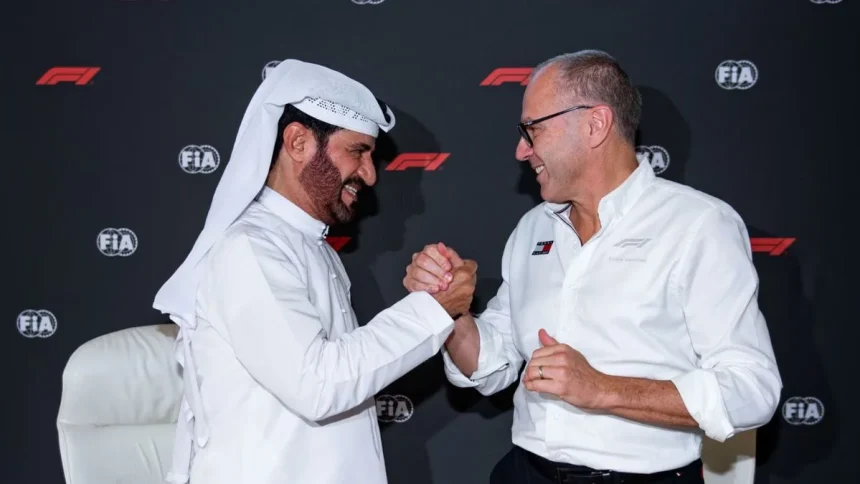
Back in 1981, F1 was in turmoil. Teams via the Formula One Constructors’ Association (FOCA) were battling the FIA’s old guard over control, money, and rules. Then entered the first Concorde Governance Agreement, named after the fancy Paris square where it was hashed out. It’s a binding deal between the FIA (the rule-makers), Formula 1 Group (Liberty Media’s commercial arm, handling TV rights and cash), and now 11 teams. The ninth edition just dropped in December 2025, locking everyone in through 2030.
At its core, the Concorde Governance Agreement splits the massive TV and prize money pie, over $1 billion annually. Top dogs like Red Bull or McLaren get the lion’s share based on Constructors’ standings, while smaller teams snag bonuses to stay competitive. Newbies like Cadillac in 2026 pay up a whopping $450 million entry fee, shared among incumbents, ensuring no freeloading. Teams must race every Grand Prix, no boycotts allowed, giving broadcasters rock-solid content. It also sets cost caps ($135 million-ish), entry fees, and governance, like how rules evolve for 2026’s engine shake-up.
Concorde Governance Agreement Key Details
Revenue? It’s tiered: historic teams like Ferrari gets extra perk, but everyone commits long-term for stability. The FIA gets funding boosts for better stewarding, tech, and race control, fixing those pit-lane headaches we love to hate. No more wild rule whims; changes need consensus. Past wars? The 1982 boycott vibes are ancient history; this keeps the “pure cinema” rolling without off-track implosions.
Concorde Governance Agreement is split into governance (rules, FIA powers) and commercial (cash flow) parts, signed separately but together forming the full beast. Critics say it favours big teams, but it pumps innovation and fairness, paving Cadillac’s path while Max Verstappen chases WDCs.
Read More

So, the Concorde Governance Agreement is F1’s secret sauce for survival. Without it, we’d have fragmented series and zero drama worth recapping. As Max laps the field and Norris battles Leclerc, this deal ensures the show’s lights stay on till 2030 and beyond, pure stability in a sport built on speed. Stay tuned, folks; the grid’s just getting hotter!
Also read: McLaren To Follow No Team-Orders In 2026? Here’s The Full Truth