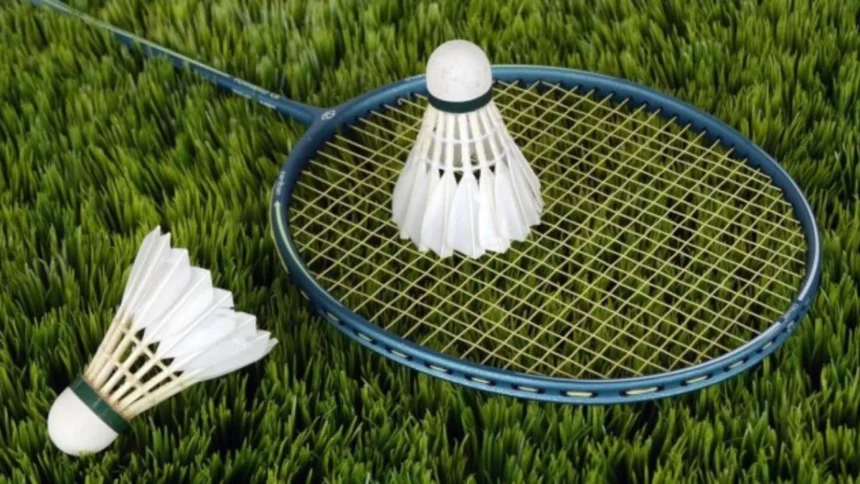
The badminton community has recently been grappling with the problem of the rising prices of shuttlecock with some even warning that the sport is being hurt increasingly. However, the BWF has affirmed that the shuttlecock shortage has not hit a “crisis level.”
Badminton World Federation (BWF) Secretary-General Thomas Lund said manufacturers must resolve supply chain issues and accelerate the roll out of advanced synthetic options for players worldwide.
“We are aware of the global supply chain challenges and subsequent increases in feathered shuttlecock prices impacting badminton communities around the world,” Lund told a news agency.
“And while we are naturally concerned by this barrier, in our dialogue with the large-scale manufacturers and their assessment of the situation, we don’t believe this is at a crisis level yet,” he added.
Several national federations have had sounded alarm on the declining supply of shuttlecock with natural feathers.
Read More
The prices of imported feather shuttles have more than doubled in the past year. The reason has been attributed to a raw material crunch in China. A recent report in French newspaper L’Equipe stated that the changing food habits in China, with preference shifting to pork over duck and goose meat have made led to the decline in supply of raw material marking a dent on global rise in badminton’s popularity.
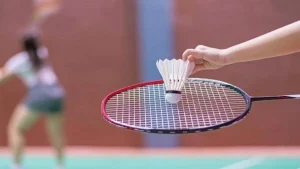
It takes 16 feathers to make one shuttlecock, with the best ones made by using goose feathers. Though these are traditionally the best for the sport, a standard singles can sometimes use up over 10 feather shuttles.
Also Read: How China’s Pork Mania Is Harming Global Badminton
Read More

Shuttlecock Supply Concern: Are synthetics the way out?
BWF reiterated its long-term commitment to synthetics but said the onus was on manufacturers to sort out the supply chain issue.
“The Badminton World Federation (BWF) is 100 per cent committed to investing in and developing synthetic shuttlecocks for future sustainability of the sport and to ensure long-term accessibility for continued generations of players. We have been committed to this project for over the last 10 years,” Lund said.
“….in saying this, BWF is not a manufacturer itself, and therefore the onus must still be on the shuttlecock producers to address these supply chain challenges and to also fast-track more advanced synthetic options,” he said.
To address sustainability and supply concerns, BWF has been experimenting with synthetic shuttlecocks for quite some time.
“Our testing and trialling programmes for production and introduction of competition and social use synthetic shuttlecocks in collaboration with the manufacturers remain in place and are firmly part of our sustainability strategies for the future,” Lund said.
“This is an ongoing process … several manufacturers have already gone to market with their social use synthetic shuttlecocks, and the products have been well received. More work is being done by the BWF and manufacturers on competition-approved shuttlecocks.
“Collectively, we continue to use the qualitative and quantitative feedback from previous competition testing windows to guide the process in making the necessary improvements to all future synthetic shuttlecock production.”
The BWF secretary confirmed that the world body was in talks with manufacturers to experiment with synthetic material.
“We remain in regular contact with top global manufacturers and will continue to update the Member Associations and the badminton community on any new breakthroughs.